The Role of Artificial Intelligence in Medicine and Disease Diagnosis
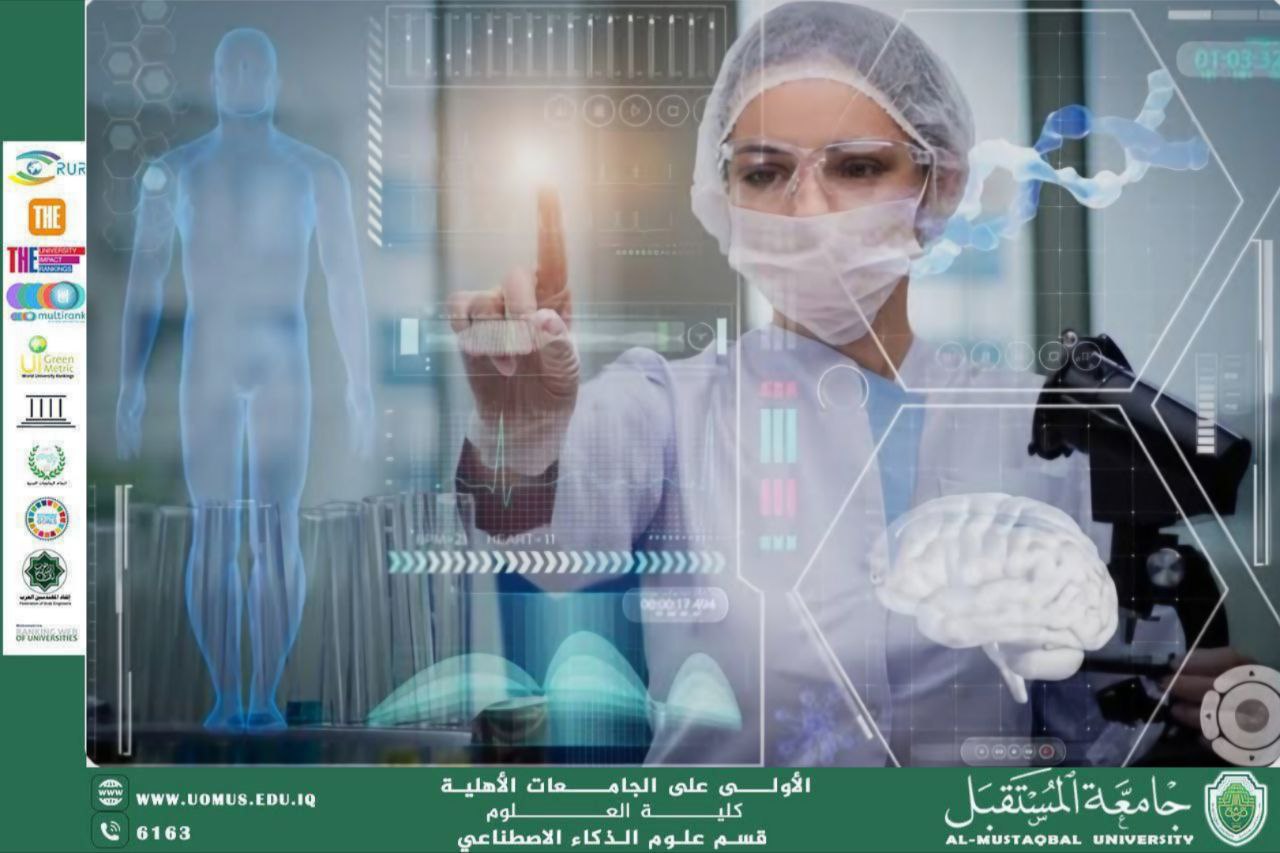
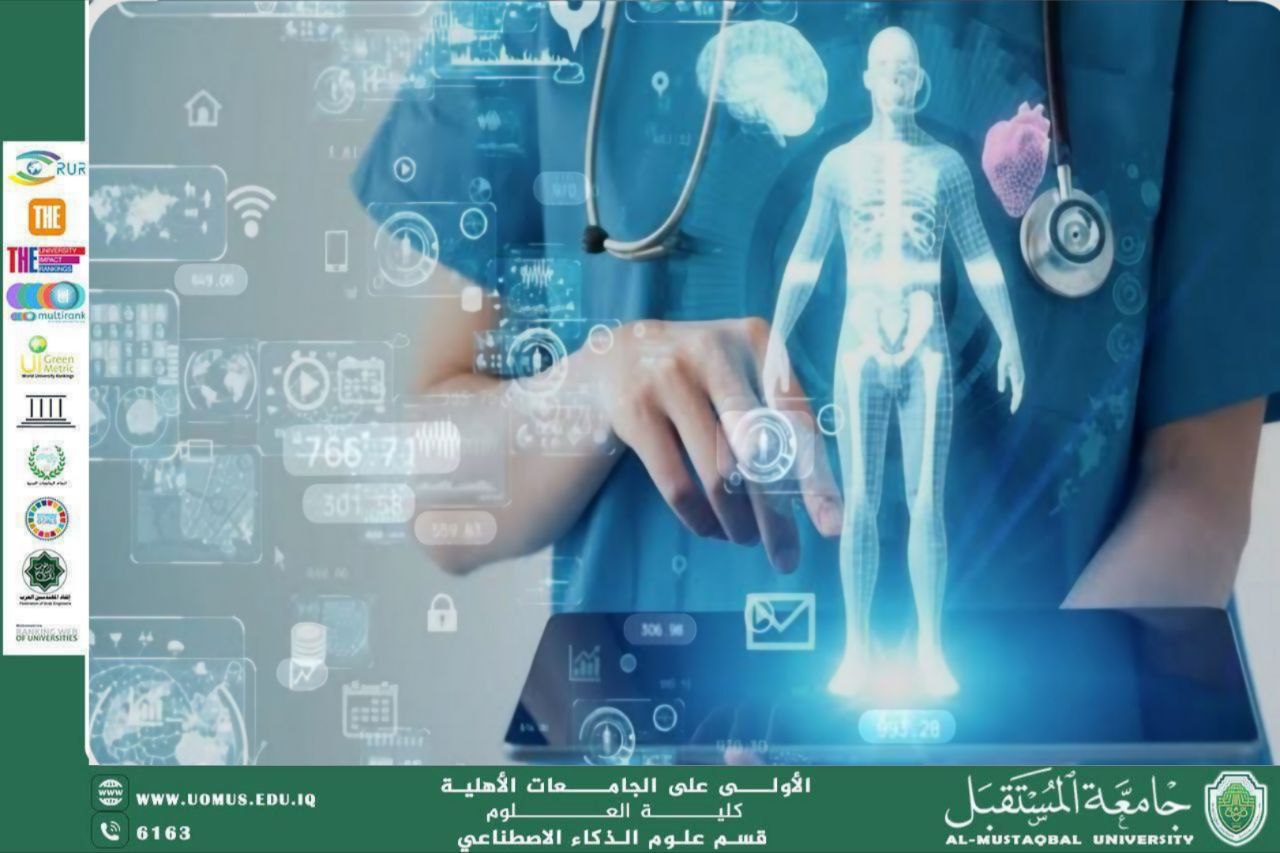
Artificial Intelligence (AI) has brought a major transformation to the medical field, becoming one of the most important modern tools used to improve healthcare quality and enhance disease diagnosis. AI in medicine relies on advanced algorithms, machine learning, and deep learning techniques to analyze vast amounts of medical data.
AI plays a significant role in disease diagnosis, particularly through the analysis of medical images such as X-rays, computed tomography (CT), and magnetic resonance imaging (MRI). Intelligent systems can detect subtle abnormalities in medical images that may be difficult for physicians to identify at early stages, leading to earlier diagnosis and reduced medical errors.
Moreover, AI is widely used in analyzing laboratory tests and clinical data, as well as predicting the risk of chronic diseases such as diabetes, cardiovascular diseases, and cancer. This helps physicians make accurate treatment decisions based on comprehensive data analysis.
In the field of personalized medicine, AI enables the development of customized treatment plans tailored to each patient’s health condition, medical history, and response to previous therapies. AI also plays a crucial role in drug discovery and pharmaceutical research by simulating biological interactions and efficiently analyzing chemical compounds.
Despite its significant advantages, the use of AI in medicine faces challenges related to medical ethics, patient data privacy, and data accuracy. Nevertheless, the future promises greater integration of AI into healthcare systems, leading to improved diagnosis, reduced costs, and enhanced medical care worldwide.