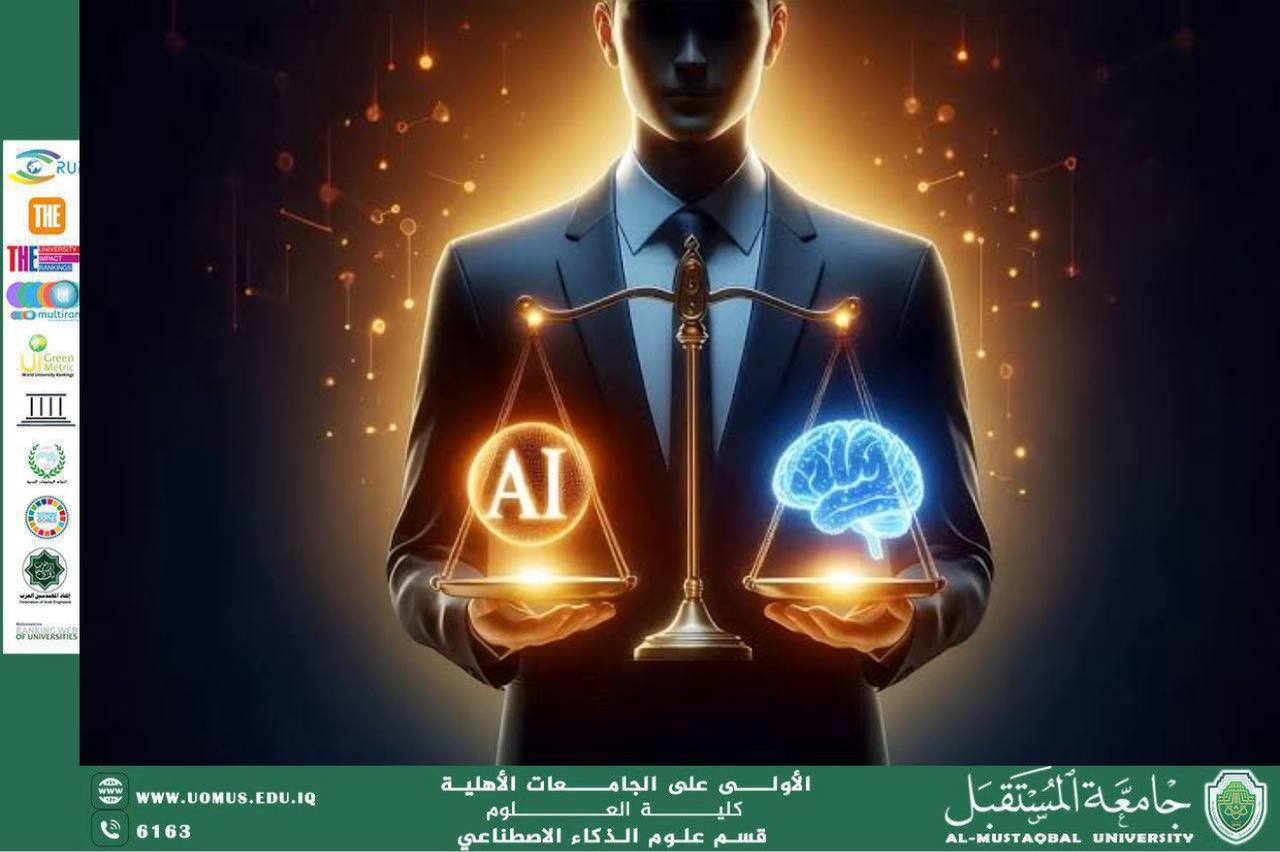
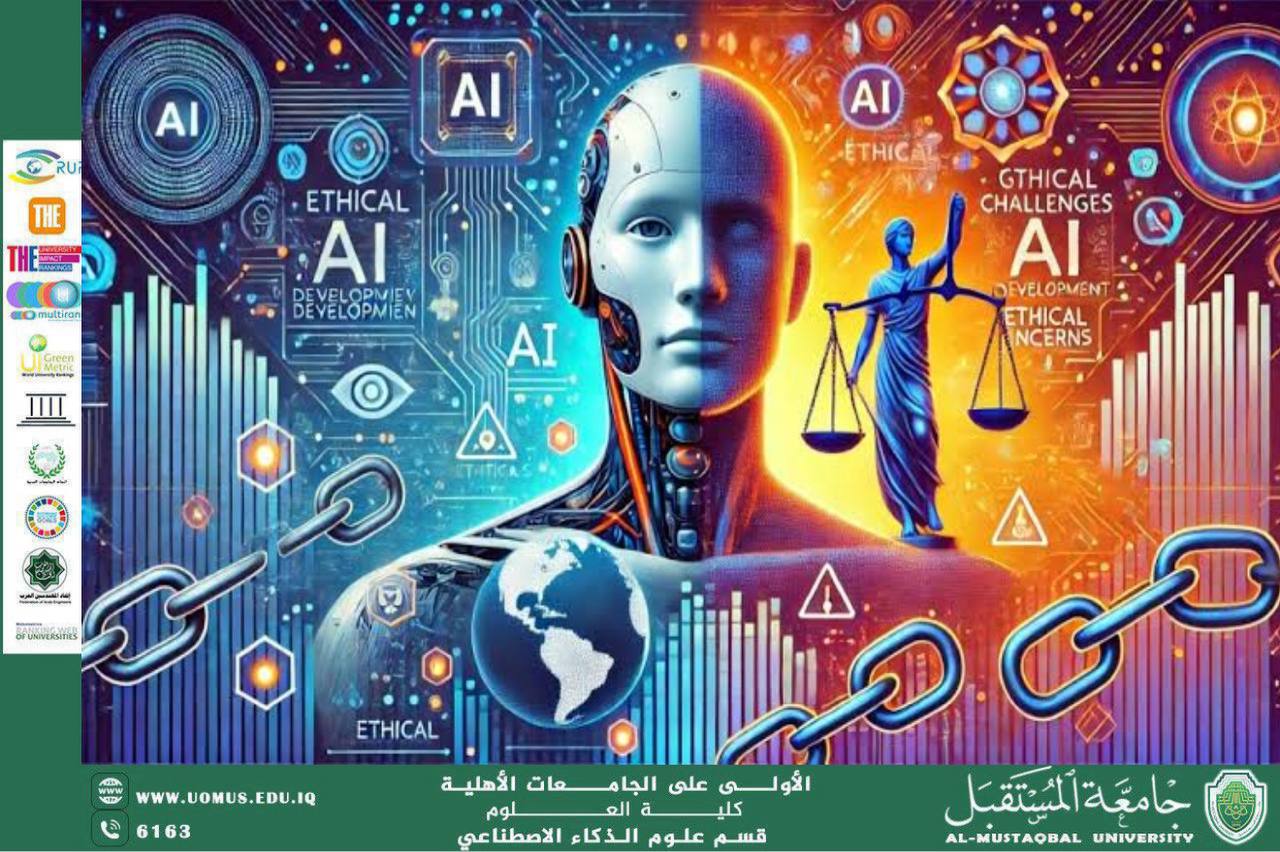
AI Ethics: Challenges and Responsibilities
AI ethics has become a central issue as intelligent systems are increasingly used across critical areas of society. Because AI systems can influence decisions that affect people’s lives, ethical frameworks are necessary to guide how these systems are designed, trained, and deployed. One of the major ethical challenges is fairness and bias. AI models trained on biased datasets may produce discriminatory outcomes in hiring, lending, healthcare, or education.
Privacy is another major concern, since AI systems depend on large volumes of personal data. Without strong safeguards, data collection and processing may violate individual rights. Transparency is also a key ethical requirement. Many advanced AI models operate as “black boxes,” making their decisions difficult to explain, which reduces trust and complicates accountability. There is also the risk of over-reliance on automated decisions without sufficient human oversight, especially in high-stakes contexts.
Responsibility for ethical AI is shared among multiple stakeholders. Developers should embed fairness, accountability, and transparency into system design. Organizations must establish clear governance and responsible-use policies. Governments and regulators need to create legal and ethical standards. Academic and professional communities also play a role in defining best practices. Ethical AI ultimately requires balancing innovation with the protection of fundamental human values.