Artificial Intelligence and the Law: Who Is Responsible?
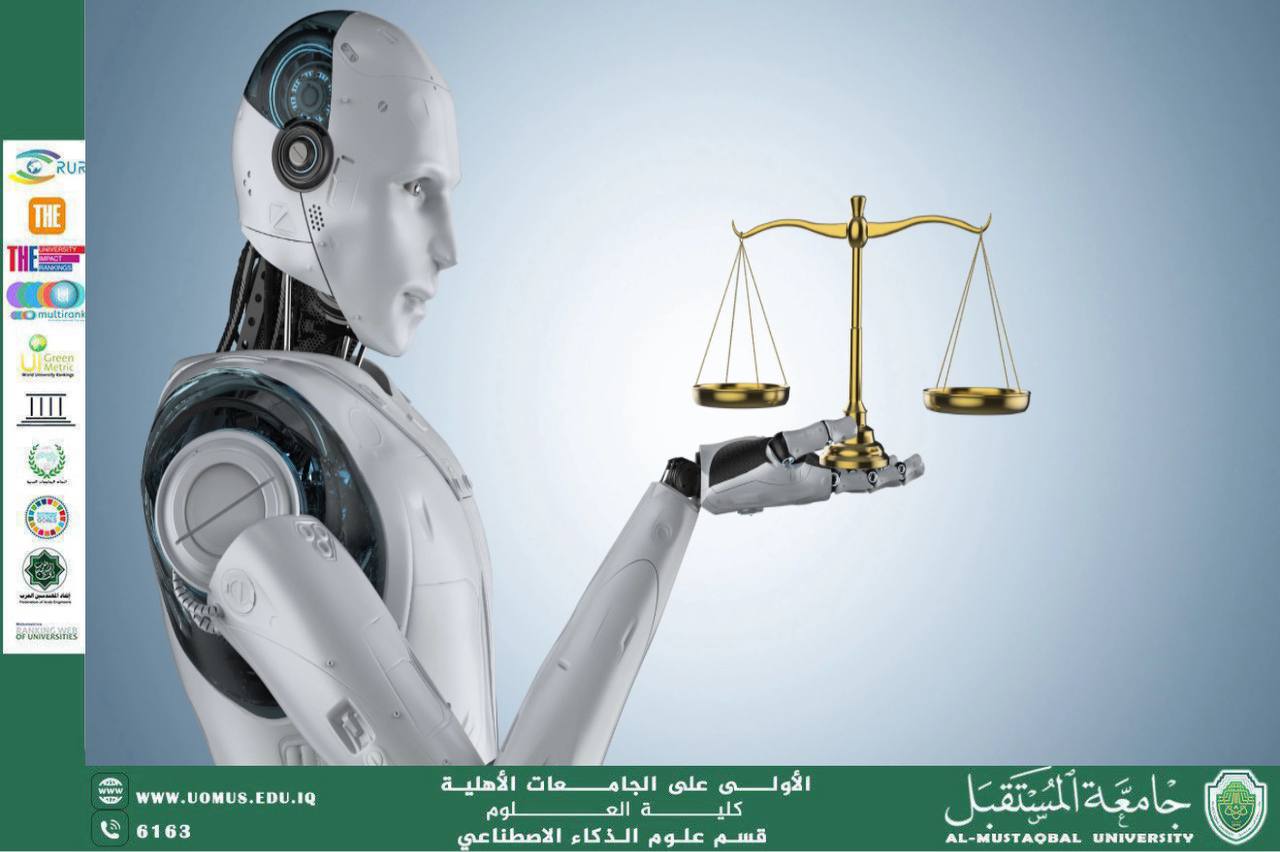
The growing use of artificial intelligence in sensitive domains raises complex legal questions about liability when harm occurs. If an AI system makes a faulty medical diagnosis or an autonomous vehicle causes an accident, determining legal responsibility becomes difficult. Possible responsible parties include the developer, the deploying company, the operator, or the organization using the system. Traditional legal frameworks were built around direct human action, which makes AI-related cases more complex.
Current legal approaches are evolving toward shared liability models based on levels of control, foreseeability, and oversight. Product liability principles may hold AI developers or vendors accountable for system defects. In other situations, responsibility may fall on the organization that deployed the AI without proper safeguards. Documentation, audit trails, and explainability are becoming important legal requirements to support investigation and accountability.
Regulators around the world are developing AI-specific legal frameworks that emphasize risk classification, transparency, and governance obligations. New compliance standards are emerging to ensure safer deployment of AI systems. The future of AI and law will likely involve updated legislation, specialized technical-legal expertise, and close collaboration between engineers and legal professionals to protect rights and ensure fair accountability.