A scientific article by instructor Samar entitled Artificial Intelligence and Natural Resource Management
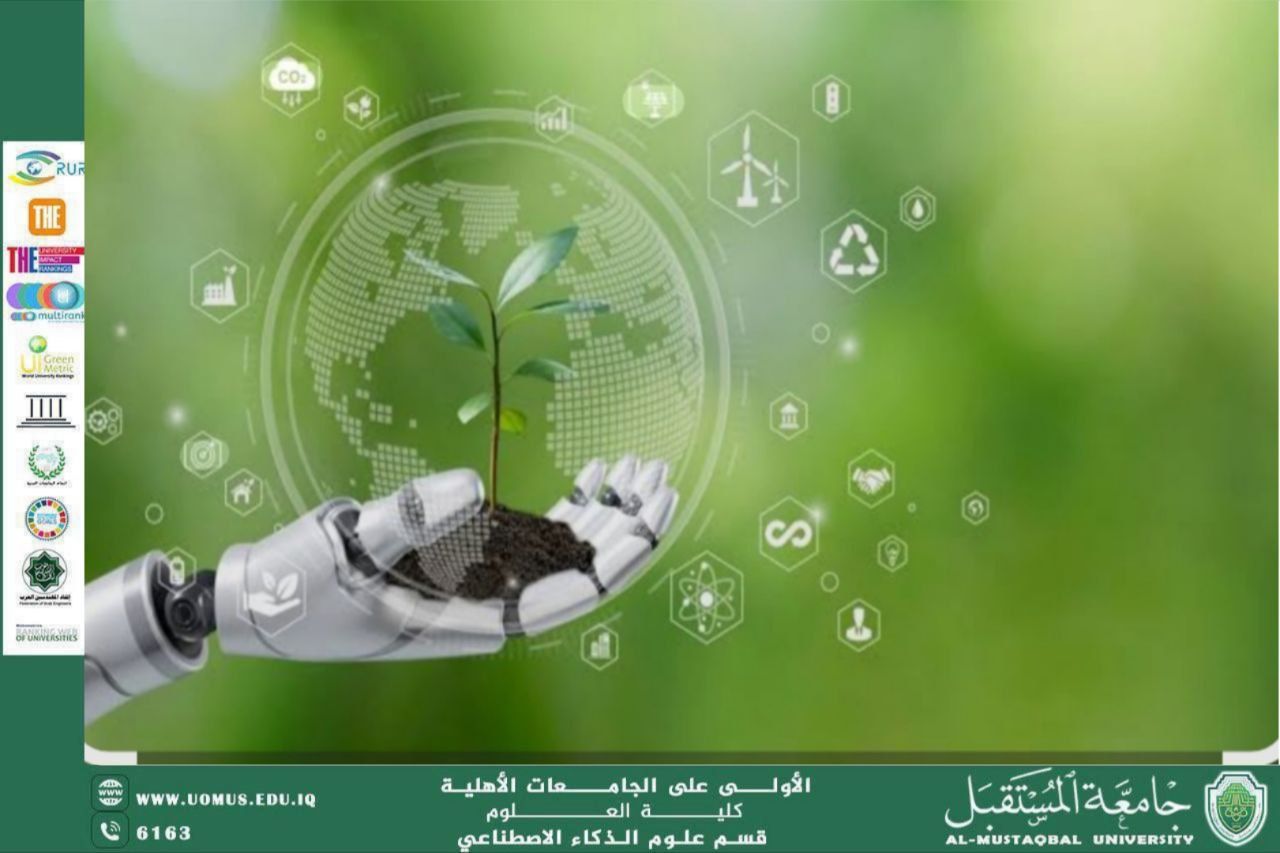
Artificial Intelligence (AI) is becoming a cornerstone of the revolution in natural resource management, offering unprecedented analytical tools to address challenges such as resource scarcity, climate change, and increasing demand. By analyzing vast amounts of data from satellites, ground-based sensors, and monitoring networks, AI enables the precise, real-time monitoring of water, forest, mineral, and agricultural resources. For instance, predictive algorithms optimize water network management, reduce waste, and forecast droughts. In agriculture, precision farming powered by AI provides irrigation and fertilization recommendations tailored to individual plant needs, enhancing productivity while conserving water and soil.
Furthermore, AI plays a pivotal role in monitoring ecosystems and protecting biodiversity by analyzing images and sounds to detect illegal activities like poaching or deforestation. In the energy sector, AI improves grid efficiency, manages intermittent renewable sources such as solar and wind, and aids in safer, more effective resource exploration. However, the adoption of these technologies faces challenges related to the availability of high-quality data, the cost of technological infrastructure, the need for ethical governance frameworks to ensure fair and inclusive use, and bridging the digital divide between nations.
In conclusion, AI holds immense potential for transforming natural resource management towards more sustainable, resilient, and efficient models, contributing to water, food, and energy security. Yet, fully realizing these benefits requires continuous investment in research and development, building human capacity, and fostering international cooperation to harness these advanced technologies for the benefit of humanity and the planet.