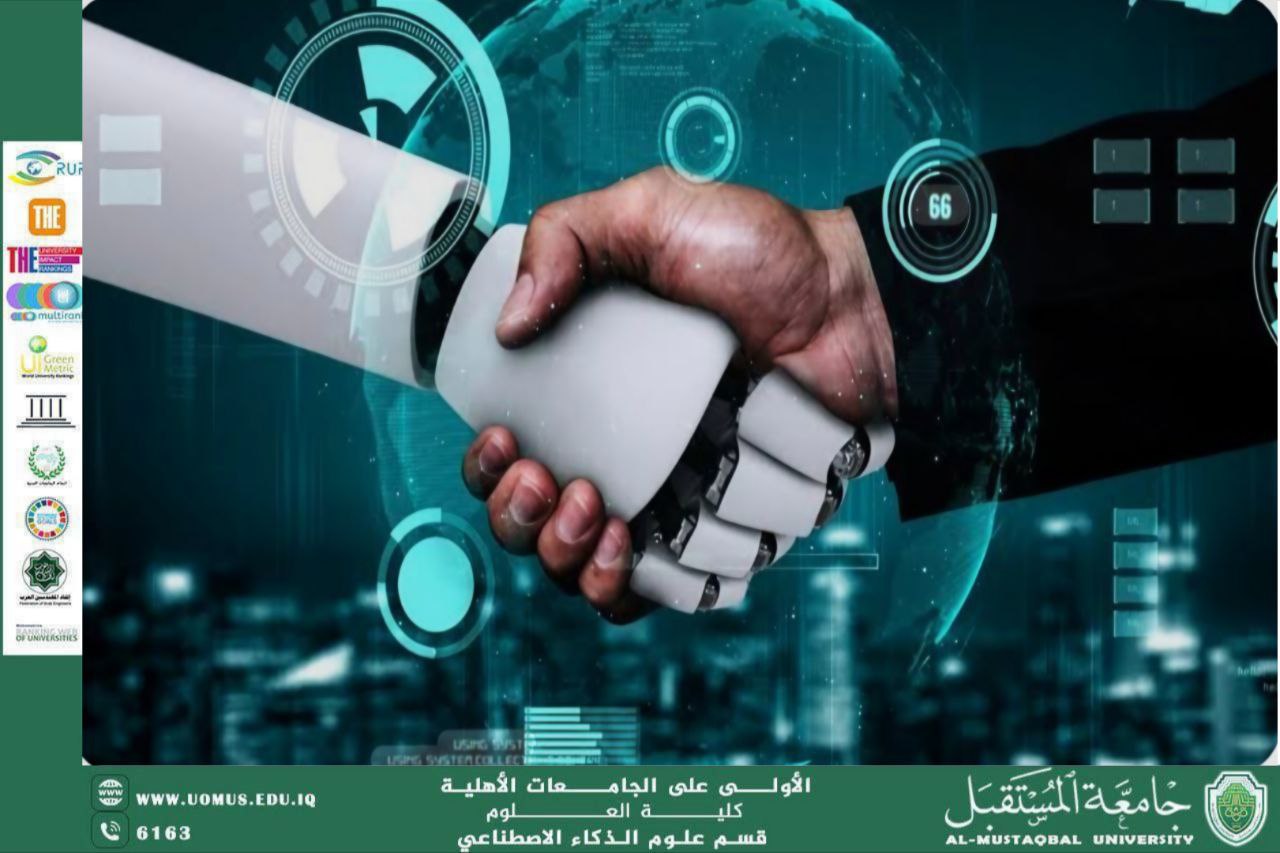
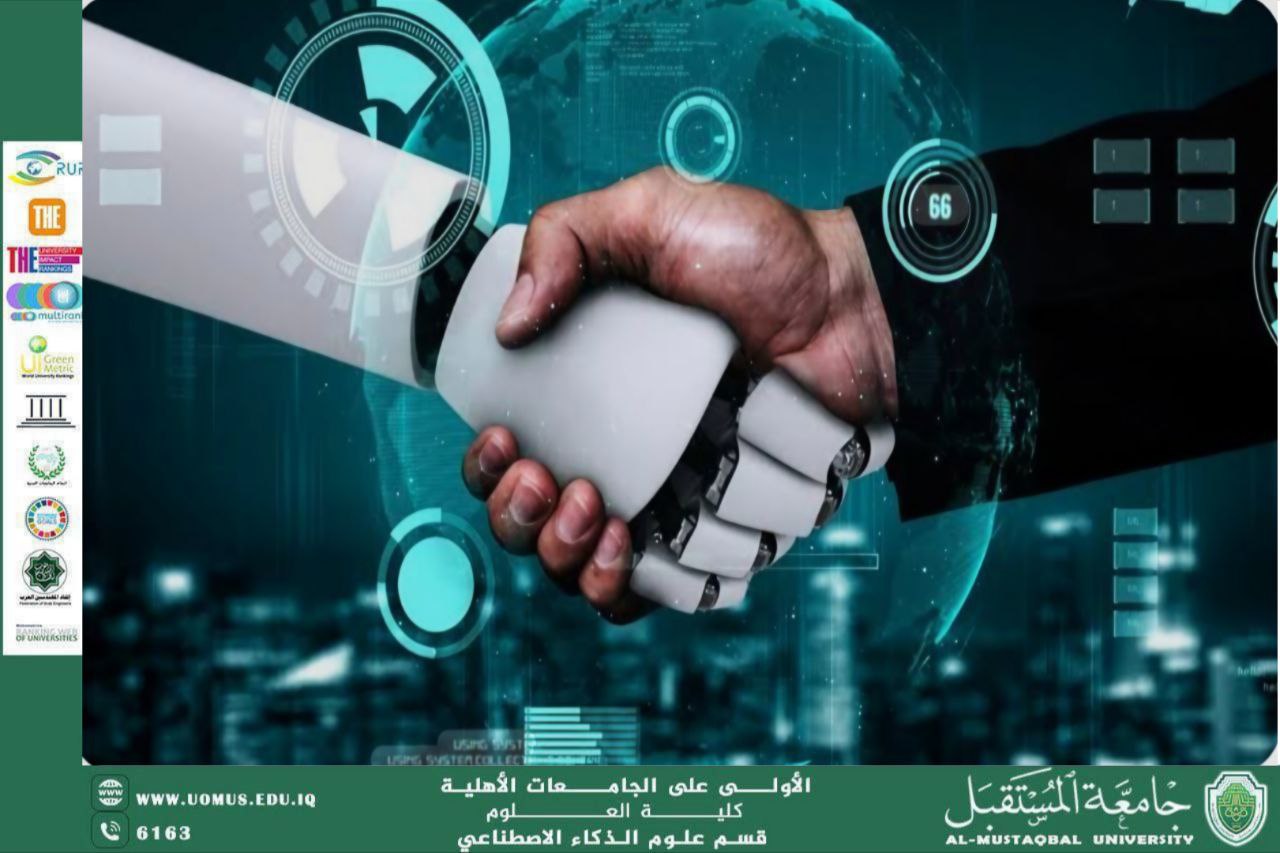
A scientific article by lecturer Samar Hussein entitled "The Development of Artificial Intelligence and its Impact on Modern Societies"
Artificial Intelligence (AI) represents one of the most significant technological developments of the twenty-first century, profoundly shaping modern societies and transforming various aspects of human life. Over recent decades, AI has evolved from a theoretical concept into practical and advanced technologies that are widely applied in education, healthcare, industry, economics, media, security, and everyday activities. This rapid development has contributed to improving efficiency, increasing productivity, and reducing human error, as intelligent systems are now capable of analyzing vast amounts of data and making accurate decisions within a short time. In the medical field, AI has enhanced early disease diagnosis, improved healthcare services, and supported drug discovery and personalized treatment. In education, it has introduced smart learning environments, personalized instruction, and automated assessment systems that improve learning outcomes. Economically, AI has driven innovation, optimized business operations, and created new job opportunities, while simultaneously raising concerns about job displacement and the growing digital divide among societies. Furthermore, the social impact of AI has generated critical ethical and legal challenges, including issues related to data privacy, cybersecurity, algorithmic bias, and accountability for automated decisions. As a result, modern societies must establish effective regulations and ethical frameworks to ensure the responsible and fair use of artificial intelligence. At the same time, enhancing digital literacy and developing human skills are essential to fully benefit from AI technologies while maintaining social stability and protecting fundamental human values.