
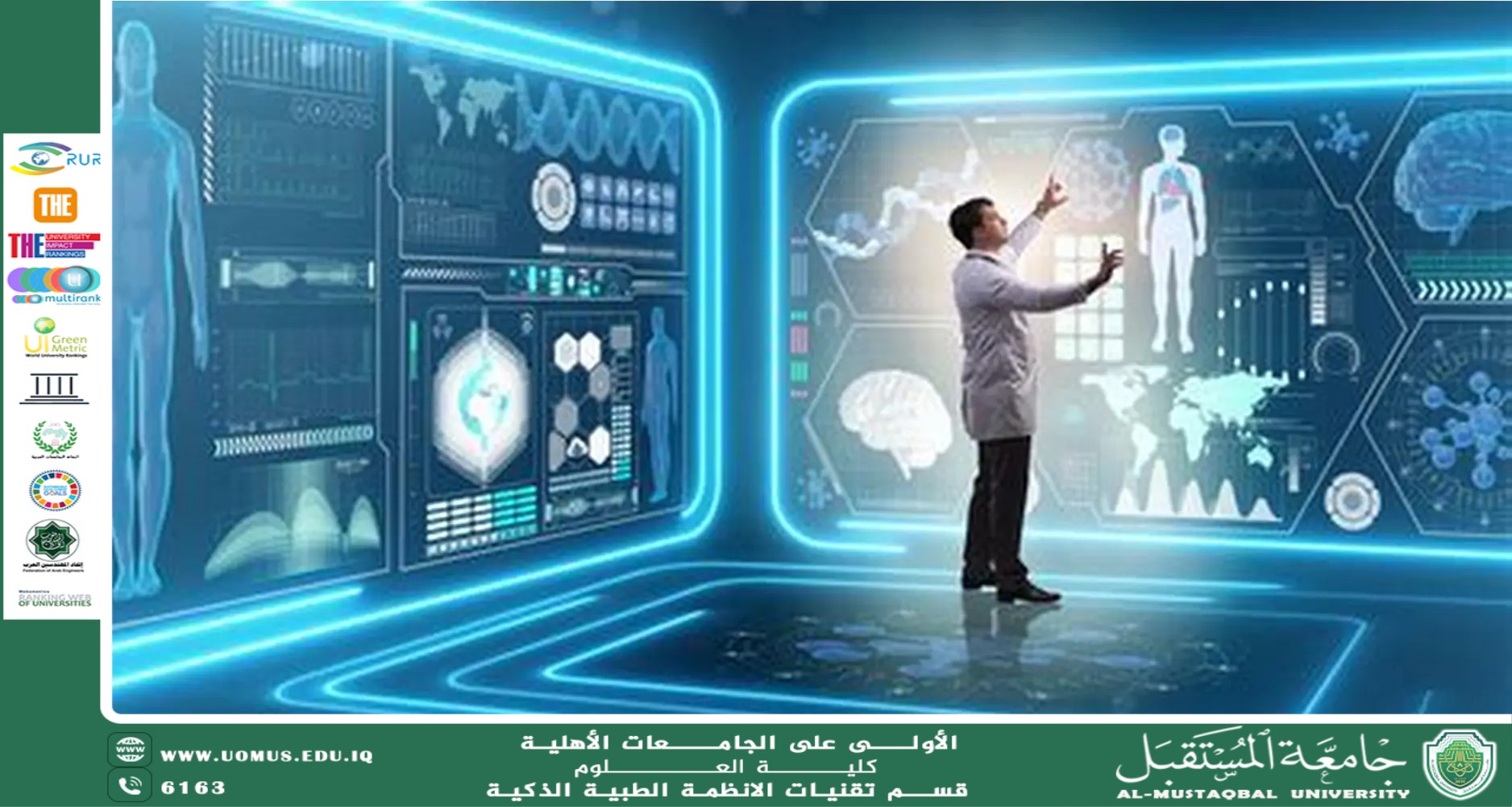
The Role of Artificial Intelligence in Improving the Accuracy of DNA Testing (Prof. Dr. Mahdi Abadi Manea)
The field of genetic analysis is witnessing rapid advancement through the integration of artificial intelligence technologies, which have brought about a transformative shift in understanding and analyzing genetic information with unprecedented accuracy and speed. In the past, analyzing the human genome was a complex and time-consuming process that relied heavily on traditional statistical tools. However, machine learning and deep learning algorithms have reshaped this landscape by enabling the processing of massive volumes of genetic data and extracting precise patterns with remarkable efficiency.
Artificial intelligence algorithms contribute to accelerating genetic analysis by automating many stages that once required intensive manual intervention, such as sequence alignment, mutation detection, and the identification of genetic variations associated with diseases. These algorithms rely on advanced mathematical models capable of recognizing hidden patterns within millions of genomic reads in a short period of time, reducing analysis duration from weeks to mere hours in some cases. Deep learning techniques further enhance this process by predicting the functional impact of genetic mutations through training models on extensive databases containing diverse genetic and clinical data, thereby supporting faster and more informed medical decision-making.
With regard to the accuracy of DNA testing, artificial intelligence plays a crucial role in minimizing errors and improving result quality. Algorithms are able to distinguish true biological signals from background noise caused by sequencing errors or laboratory contamination. They also compare detected genetic variants with global databases to validate findings and ensure reliability. This advanced level of analysis enables the early detection of rare or complex mutations that might be overlooked using conventional methods. Moreover, AI assists in interpreting test results and correlating them with a patient’s clinical condition, reinforcing the concept of personalized medicine based on individual genetic characteristics.
The integration of artificial intelligence into genetic analysis extends beyond accelerating laboratory procedures; it represents a comprehensive transformation in understanding hereditary, oncological, and chronic diseases. It opens new horizons for prevention, early diagnosis, and precision treatment. As algorithms continue to evolve and genetic databases expand, AI-powered genetic analysis is expected to become a fundamental tool within modern healthcare systems, contributing significantly to improved therapeutic outcomes and greater overall system efficiency.
Al-Mustaqbal University — The First University in Iraq.