Artificial Intelligence Applications in Healthcare: Toward More Accurate and Efficient Medical Care
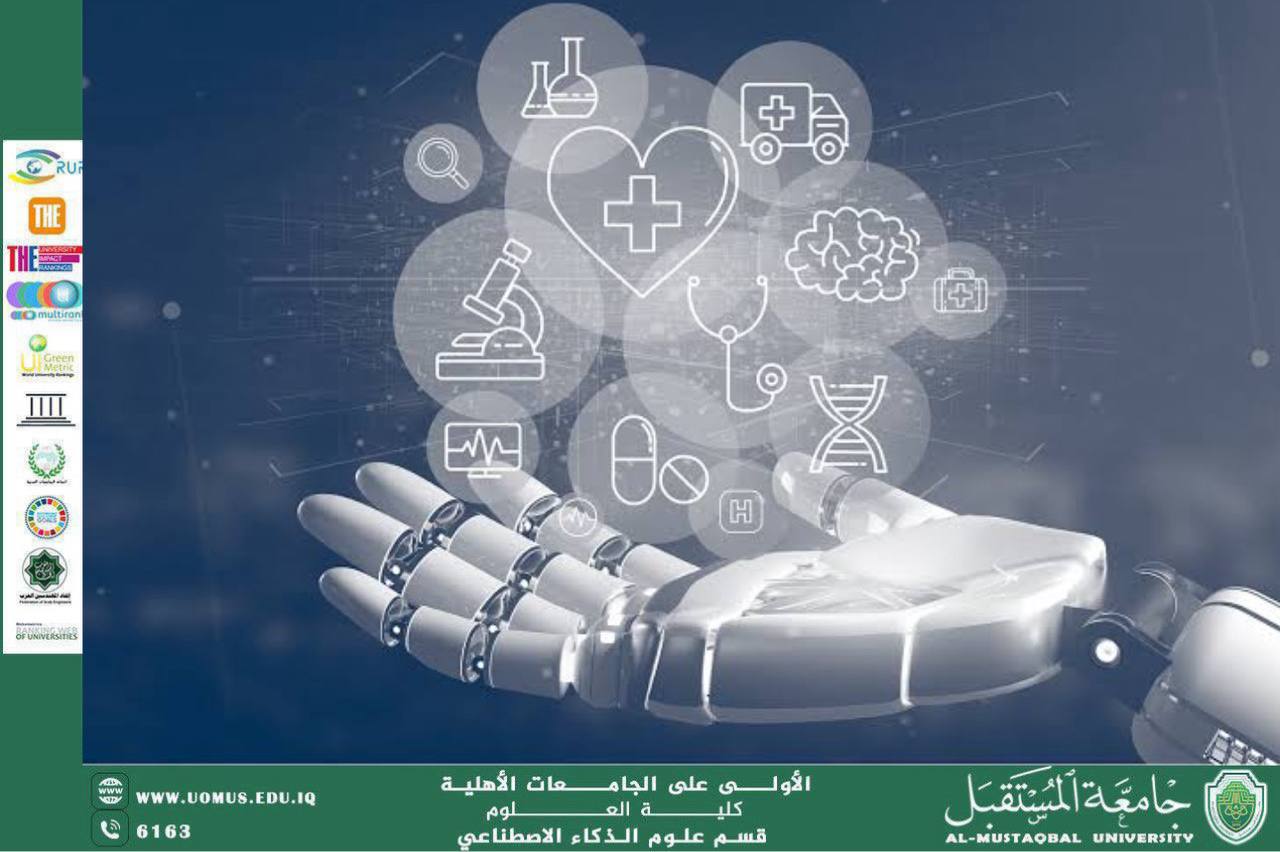
The healthcare sector is experiencing a transformative shift driven by rapid technological innovation, with Artificial Intelligence (AI) at the forefront of this evolution. AI technologies are enhancing diagnostic precision, accelerating clinical workflows, and improving the overall quality of patient care. By integrating intelligent systems into medical practice, healthcare organizations are redefining standards of efficiency and accuracy.
⸻
AI in Medical Diagnosis
Accurate and early diagnosis is fundamental to effective healthcare delivery. AI, particularly deep learning algorithms, analyzes complex medical data such as X-rays, MRI scans, and CT images. These systems identify subtle patterns that may be overlooked by traditional methods, enabling early detection of diseases and reducing diagnostic errors.
⸻
Predictive Analytics and Preventive Medicine
AI-powered predictive analytics processes extensive health data to identify risk factors and anticipate disease progression. By evaluating medical history, genetic information, and lifestyle indicators, AI systems support personalized treatment plans and preventive strategies, reinforcing the principles of precision medicine.
⸻
Clinical Decision Support
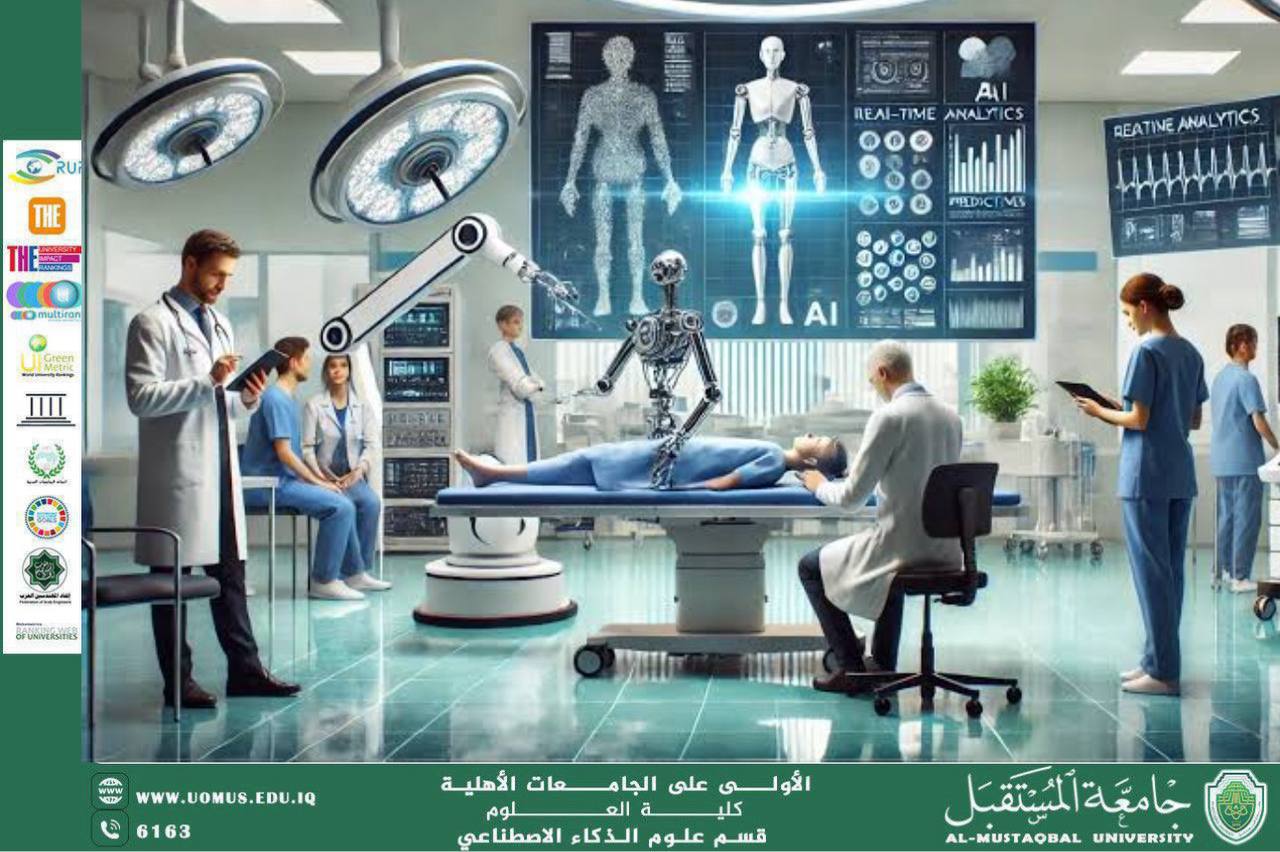
AI-based Clinical Decision Support Systems (CDSS) provide real-time analysis of patient data and compare it with vast medical research databases. This enables physicians to make evidence-based decisions regarding diagnosis and treatment, thereby improving consistency and quality of care.
⸻
Robotic Surgery and Smart Hospital Management
AI-enhanced robotic surgical systems offer higher precision in complex procedures, minimizing complications and shortening recovery periods. Additionally, AI contributes to hospital administration by optimizing scheduling, managing resources, and improving operational efficiency.
⸻
Strategic Benefits
• Enhanced diagnostic accuracy
• Faster medical data processing
• Personalized treatment approaches
• Improved operational efficiency in healthcare institutions
⸻
Challenges and Ethical Considerations
Despite its advantages, AI implementation in healthcare raises concerns regarding data privacy, algorithmic transparency, and potential bias. Ensuring regulatory compliance, ethical governance, and continuous system evaluation is essential for responsible deployment.
⸻
Artificial Intelligence is reshaping healthcare by promoting precision, efficiency, and patient-centered care. As technology continues to evolve, strategic integration of AI solutions will be vital in building resilient and sustainable healthcare systems capable of meeting future challenges.