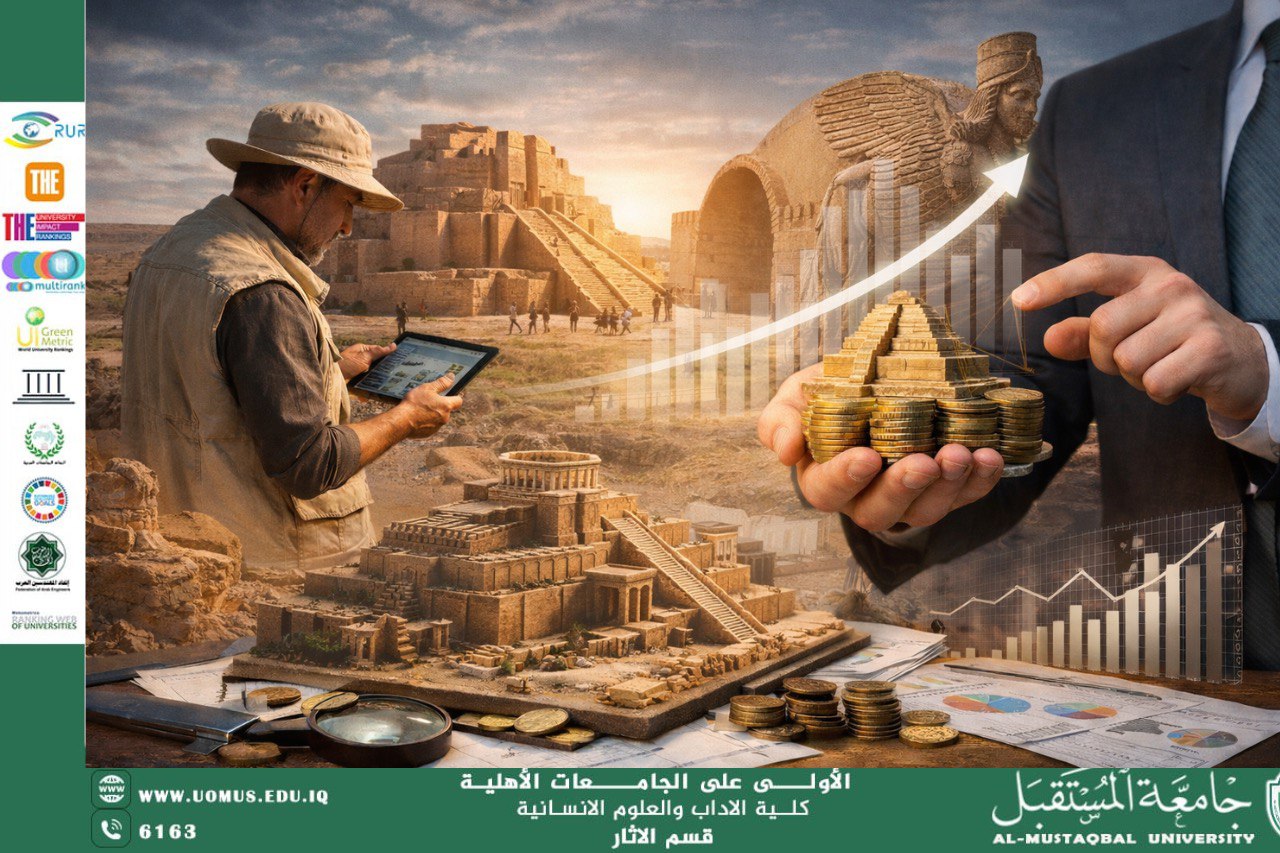

Investment Management in Archaeological Sites and Its Role in Achieving Economic Development
Introduction
Archaeological sites represent some of the most valuable cultural resources, carrying historical, civilizational, and economic significance. Their role is no longer limited to preservation and display; instead, they have become important economic assets that can be sustainably invested. In this context, business management has emerged as a modern tool that contributes to organizing and investing in these sites in a way that balances preservation and development.
Effective investment management in archaeological sites helps transform cultural heritage from a financial burden on governments into an economic resource that supports local and national development.
The Concept of Investment Management in Archaeological Sites
Investment management in archaeological sites refers to:
The strategic utilization of cultural and archaeological resources in an economically planned manner that ensures financial returns while preserving their historical and heritage value.
This includes:
• Economic planning of the site
• Development of tourism services
• Attracting funding
• Managing restoration and operational projects
• Building investment partnerships
Objectives of Investment in Archaeological Sites
Investment management aims to achieve several key objectives, including:
1. Ensuring financial sustainability of archaeological sites
2. Reducing reliance on government funding
3. Creating job opportunities in tourism and heritage sectors
4. Supporting local economies
5. Enhancing cultural identity
The Role of Modern Management in Successful Archaeological Investment
Successful investment depends on applying business management principles such as:
Strategic Planning
Helps define the future vision of the site and transform it into a tourist attraction.
Project Management
Used in restoration projects, infrastructure development, and tourism facility establishment.
Marketing
Tourism marketing plays a crucial role in promoting archaeological sites locally and internationally.
Partnership Management
Through collaboration with:
• The private sector
• Tourism institutions
• Cultural organizations
⸻
The Impact of Investment on Economic Development
Well-managed investment in archaeological sites contributes to:
• Activating tourism movement
• Increasing national revenues
• Supporting heritage-related industries such as handicrafts
• Developing surrounding local communities
• Strengthening the cultural economy
Thus, archaeological sites can become centers of economic production rather than merely historical landmarks.
Challenges
Despite its importance, investment in archaeological sites faces several challenges:
• Weak administrative planning
• Lack of funding
• Concerns about affecting site authenticity
• Absence of clear investment regulations
Conclusion
Investment management in archaeological sites represents a modern approach that combines heritage protection with economic development. Adopting modern management practices is essential to ensure sustainable investment that preserves the cultural value of archaeological sites while generating economic returns that contribute to comprehensive development.