
The impact of artificial intelligence applications on scientific research output in universities (Benin Nazem Sarhan)
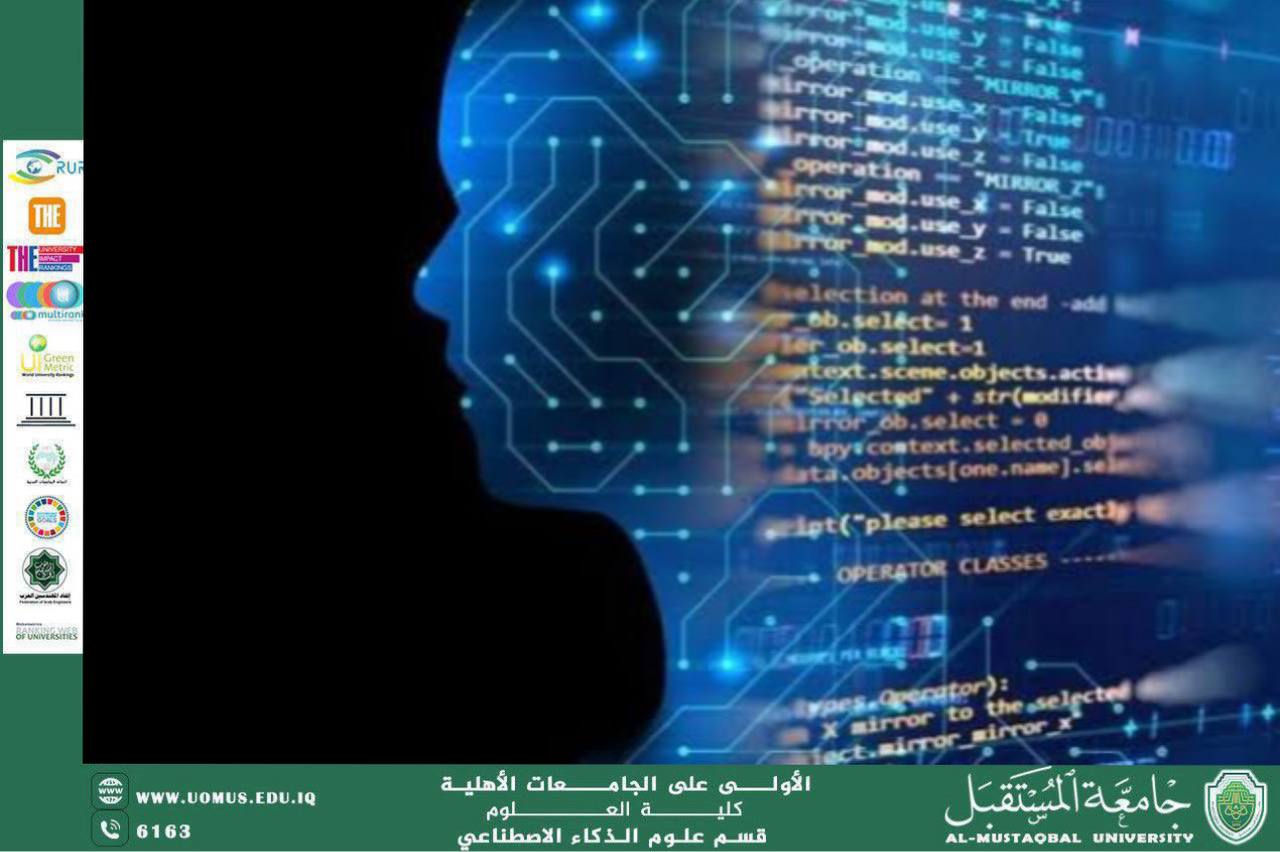
In recent decades, Artificial Intelligence (AI) has become one of the most prominent modern technologies that affect various scientific and academic fields. The spread of its applications in higher education institutions has led to radical changes in how scientific research is conducted, from the data collection stage to scientific publication. This article reviews the impact of artificial intelligence applications on the production of scientific research in universities, highlighting the opportunities and challenges facing researchers and academic institutions.
The development of artificial intelligence in scientific research
Artificial intelligence is a branch of computer science that aims to enable machines to perform tasks that require human intelligence such as learning, analysis, prediction, and decision-making. With the rapid development of machine learning and deep learning technologies, artificial intelligence tools have become an integral part of the methodology of scientific research in modern universities.
Positive impact on research productivity
1. Rapid data analysis
Artificial intelligence applications help analyze large amounts of data quickly and accurately, saving significant time and effort for researchers when interpreting results or testing hypotheses.
2. Facilitate the writing and review of research
Modern artificial intelligence tools, such as large language models, can help prepare research drafts, draft paragraphs, review linguistic errors, and organize references, which raises the quality of scientific production and reduces human errors. A recent study also found that the use of such tools significantly increases the number of publications produced by researchers.
3. Access to knowledge quickly
Many researchers rely on artificial intelligence applications to take advantage of smart search engines, which can provide focused research summaries, suggest scientific links, and identify research-related studies in less time than traditional methods.
Opportunities provided by artificial intelligence for scientific research
• Accelerating research processes: From data collection and refining to predicting potential outcomes and designing experiments, AI tools support researchers at every stage of research.
• Improving the quality of scientific publication: When used appropriately, artificial intelligence applications can raise the level of quality of scientific texts, which increases the chances of their acceptance in international peer-reviewed journals
Challenges and considerations
Despite the great benefits, universities face several challenges when adopting artificial intelligence in scientific research, including:
• Ethical bias and over-reliance on technology: Non-directed use of AI applications may lead to problems with scientific integrity or inaccurate data production.
• Digital skills gap: Researchers need specialized training to effectively exploit smart tools, otherwise the scientific results will not be sufficiently accurate and objective.
• The need to develop clear policies: Universities should establish standards and ethical frameworks for the use of artificial intelligence, to prevent misuse or plagiarism
Artificial intelligence has contributed to transforming the way scientific research is produced in universities by providing advanced technical tools for data analysis, formulating results, and accelerating the tasks of researchers. However, true success remains in exploiting this potential while maintaining ethical standards and scientific integrity.
Universities should work to prepare an educational and research environment that integrates artificial intelligence and human knowledge to achieve a distinguished and sustainable scientific production