Improving Disease Diagnosis Using Smart Imaging (Asst. Lect. Qusay Munir Diab)
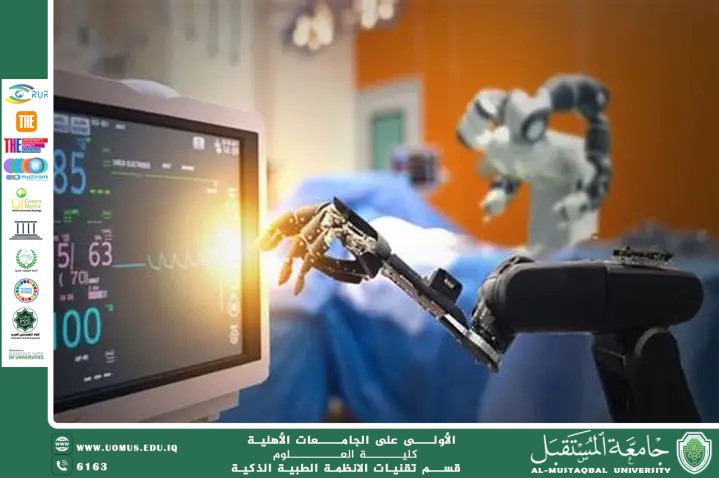
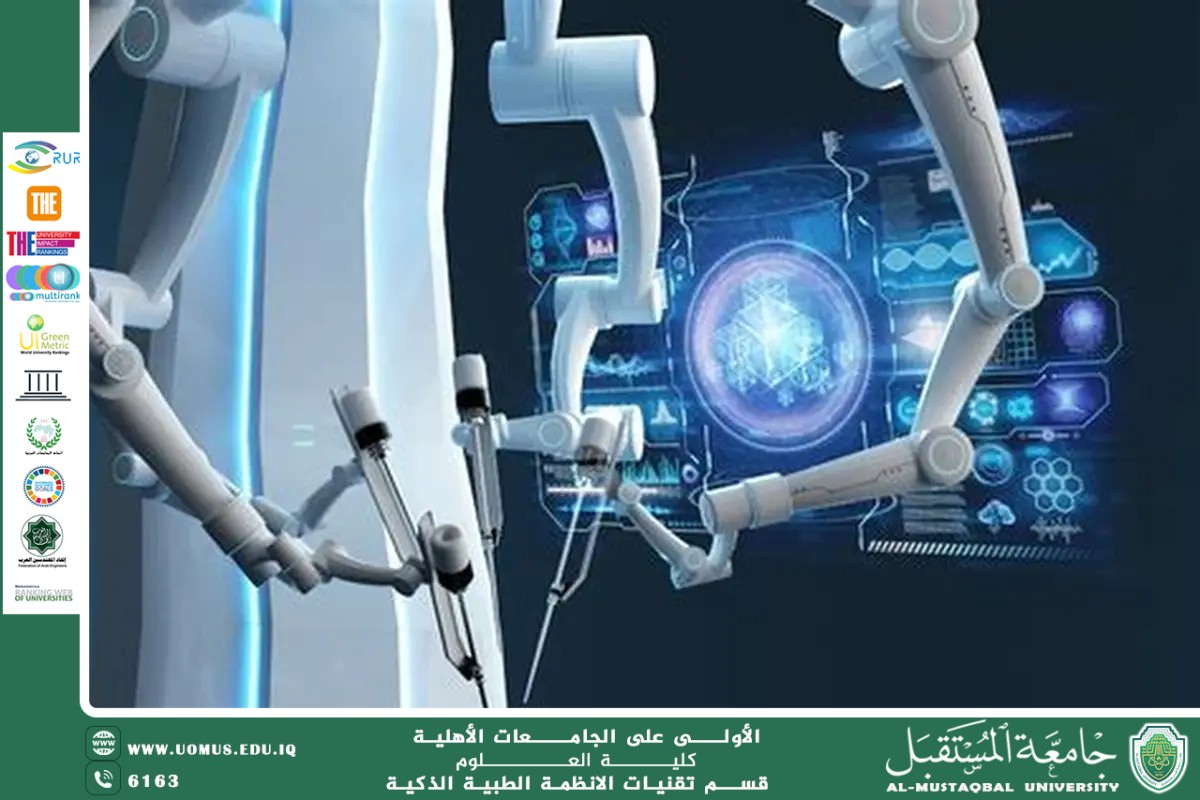
The healthcare sector is witnessing rapid development in the application of artificial intelligence technologies across various fields, with medical imaging at the forefront. Smart imaging has become a pivotal tool in enhancing diagnostic accuracy and accelerating medical decision-making. These technologies rely on advanced algorithms capable of analyzing radiological images with high precision—such as X-rays, magnetic resonance imaging (MRI), and computed tomography (CT) scans—detecting subtle indicators that may sometimes be difficult to identify with the naked eye.
AI-supported imaging technologies contribute significantly to reducing human error by processing vast amounts of medical images within a very short time and comparing them with previously stored datasets drawn from extensive training databases. This deep analysis enables intelligent systems to detect precise patterns associated with tumors, brain hemorrhages, chest diseases, cardiovascular conditions, and other medical disorders at their early stages, thereby improving opportunities for timely medical intervention.
Smart imaging systems also provide direct support to physicians through clinical decision-support tools. These systems generate analytical reports that include probability assessments and accurate identification of suspicious areas, helping radiologists focus on critical findings and make more confident diagnostic decisions. Their role extends beyond initial diagnosis to monitoring disease progression by comparing imaging results over time, allowing physicians to evaluate patient response to treatment more effectively.
Furthermore, artificial intelligence enhances operational efficiency within healthcare institutions by reducing the time required to interpret radiological images and prioritizing urgent cases, particularly in emergency departments where rapid response is crucial. It also helps address shortages of radiology specialists in certain regions by offering reliable preliminary analyses that support medical staff.
The integration of artificial intelligence with medical imaging technologies represents a strategic step toward more precise and personalized healthcare. By utilizing health data scientifically, these systems improve the quality of care and reduce complications. As algorithms continue to evolve and predictive models become more accurate, smart imaging is expected to play an increasingly significant role in building a healthcare system centered on early diagnosis, advanced clinical support, and improved patient outcomes.
Al-Mustaqbal University – The First University in Iraq.