Modern Technologies in Vascular Surgery: The Role of Artificial Intelligence and Robotics in Improving Surgical Outcomes
Vascular surgery has witnessed remarkable advancements due to modern technologies that have significantly enhanced surgical precision, improved clinical outcomes, and reduced complication rates. At the forefront of these advancements is artificial intelligence (AI), which has become a strategic tool in supporting surgical planning and medical decision-making before, during, and after procedures. AI systems rely on the analysis of advanced imaging techniques such as computed tomography (CT) scans and vascular imaging, where deep learning algorithms are used to construct highly accurate three-dimensional models of blood vessels. This allows surgeons to carefully assess vascular narrowing or aneurysms and determine the safest and most effective surgical approach.
Artificial intelligence contributes to improving vascular surgery outcomes through its ability to predict potential risks by analyzing patients’ clinical data, medical history, and vital indicators. Predictive models help estimate the likelihood of complications such as bleeding, thrombosis, or graft failure, enabling medical teams to implement precise preventive measures prior to surgery. In addition, real-time data analysis during operations assists in monitoring blood flow and vital stability indicators, supporting immediate and informed intraoperative decisions that enhance patient safety.
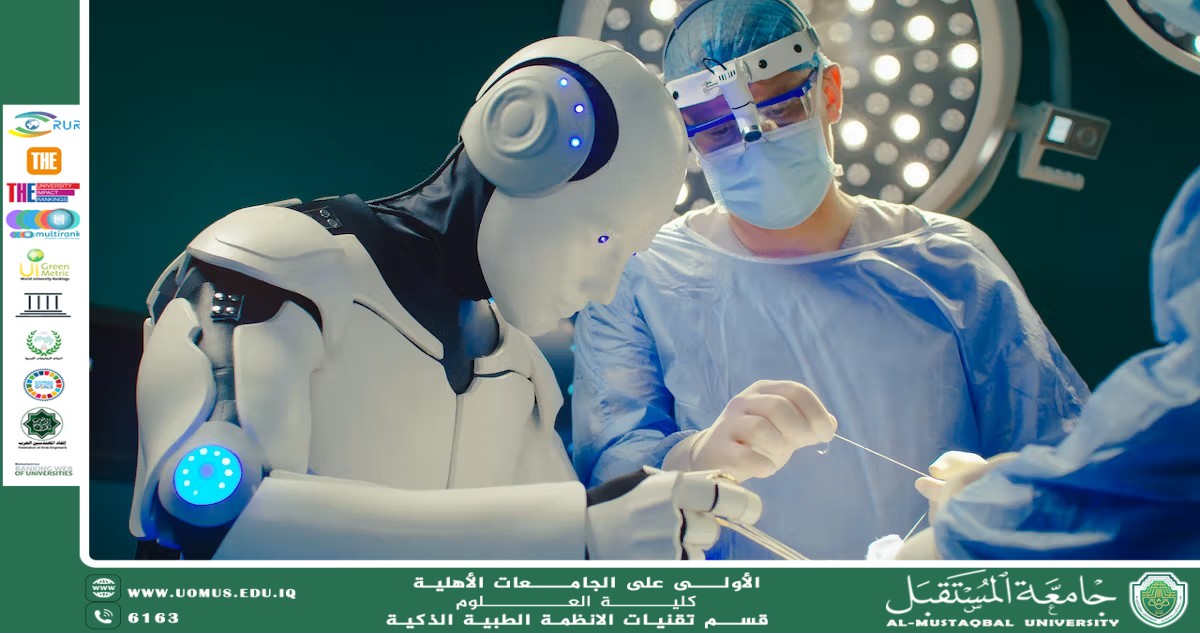
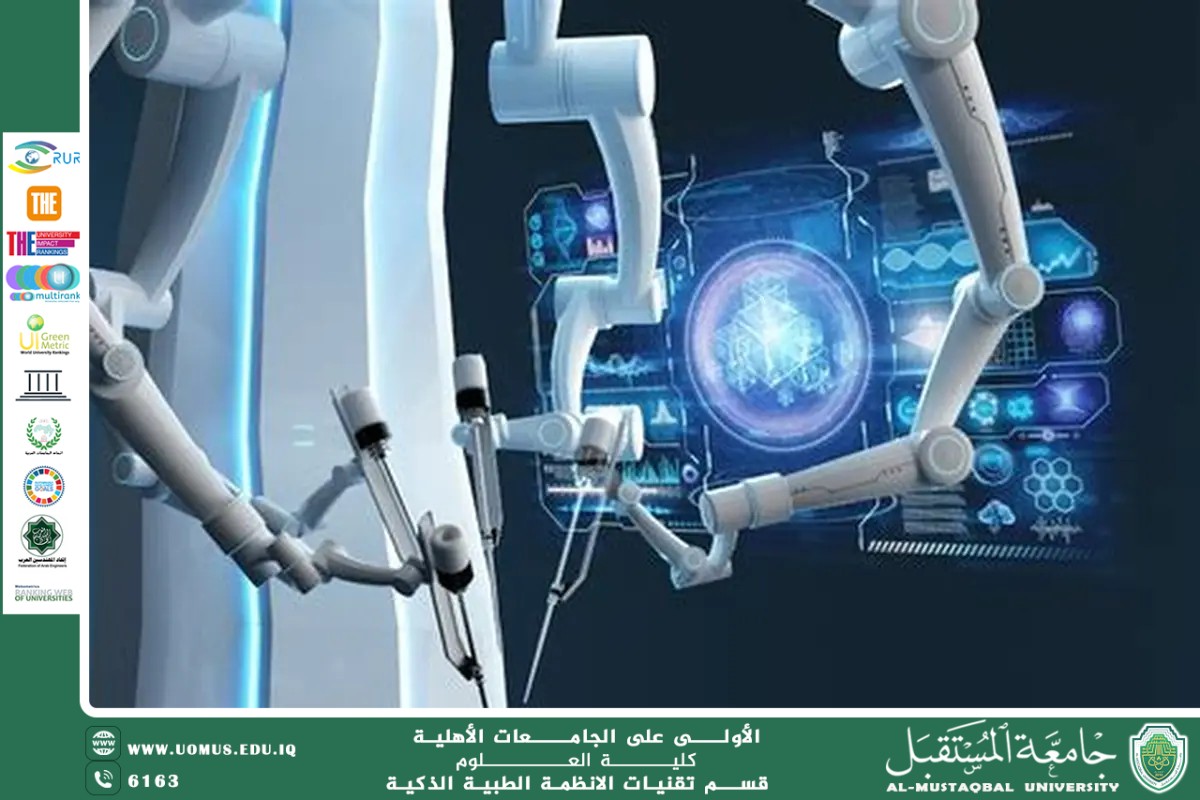
Robotic systems have also played a pivotal role in advancing vascular surgery by providing unprecedented levels of precision and control in delicate surgical movements within complex anatomical spaces. Robotic-assisted surgery allows procedures to be performed through minimally invasive techniques using very small incisions, which reduces blood loss, minimizes postoperative pain, and accelerates recovery time. These systems offer high-definition, magnified, three-dimensional visualization, enabling surgeons to handle delicate blood vessels with greater safety and accuracy, particularly in complex operations such as aortic aneurysm repair or arterial revascularization.
The integration of artificial intelligence with robotic surgical systems has established the concept of data-driven surgery, linking preoperative imaging analysis and virtual surgical planning with highly precise robotic execution. This integration not only increases surgical success rates but also contributes to standardizing surgical practices and reducing variability in performance among surgeons. Postoperative care has also become more efficient through intelligent monitoring systems that track and analyze vital indicators to detect early signs of potential complications.
The adoption of modern technologies in vascular surgery reflects a broader shift toward more precise, safer, and personalized medicine. By harnessing the power of data and advanced algorithms to support—not replace—human surgical expertise, healthcare systems can deliver higher-quality care. As artificial intelligence and medical robotics continue to evolve, vascular surgery is expected to witness further innovations that enhance treatment outcomes, reduce risks, and improve the overall patient recovery experience.
Al-Mustaqbal University is the first one university in Iraq.