Scientific Article: Evaluation of Oxygen Measurement Devices in Intensive Care Units
Introduction
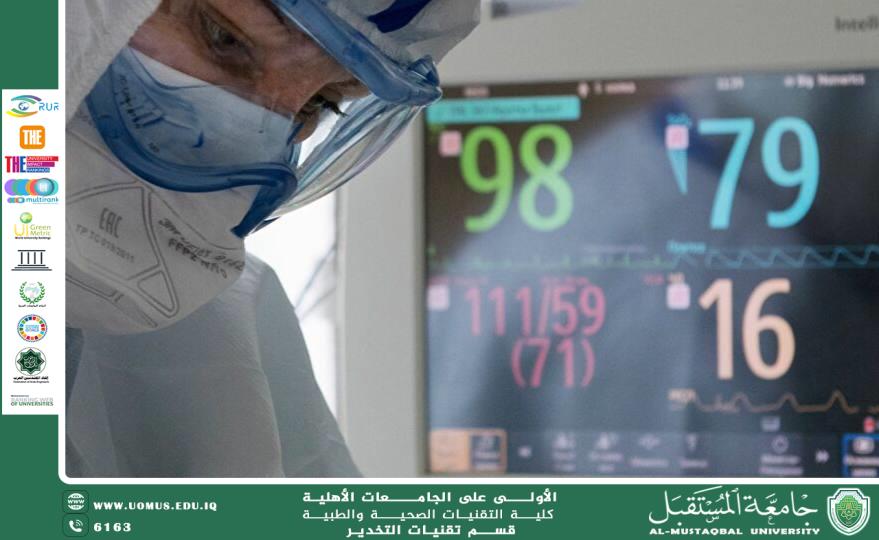
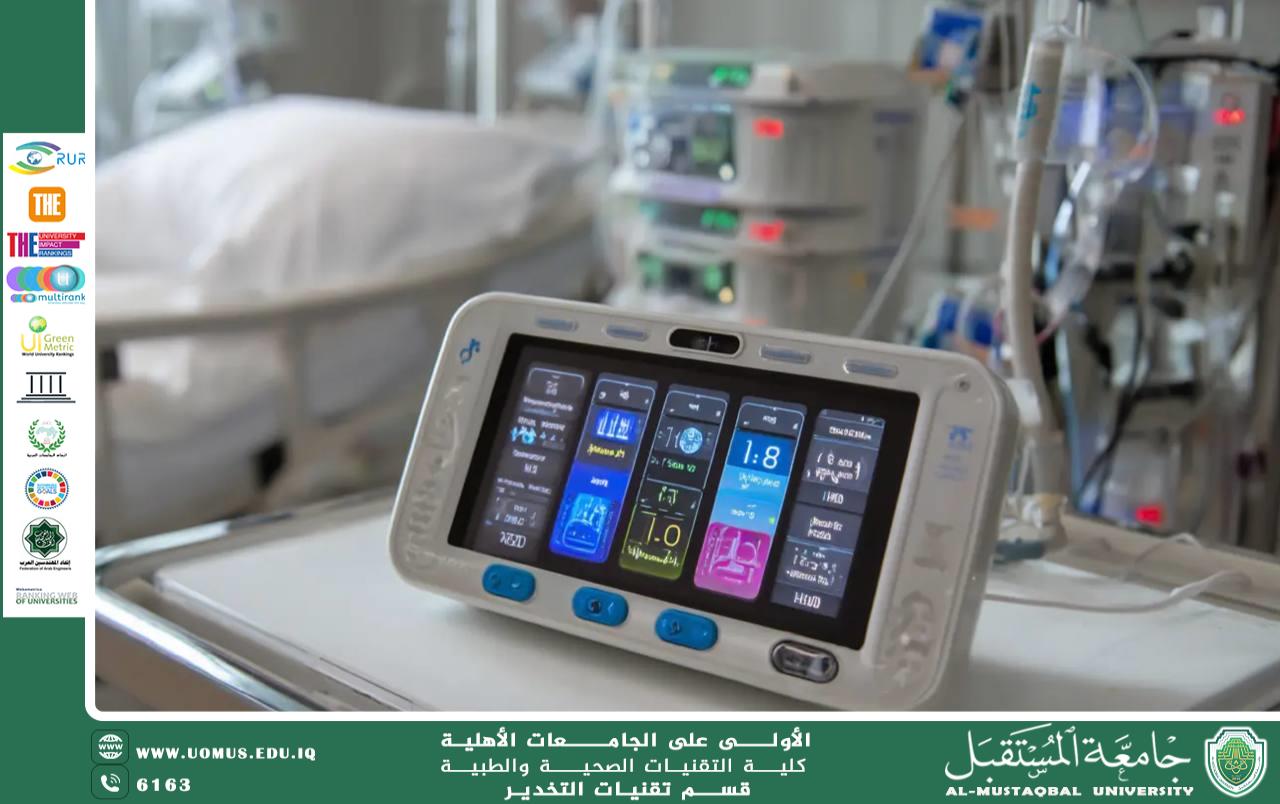
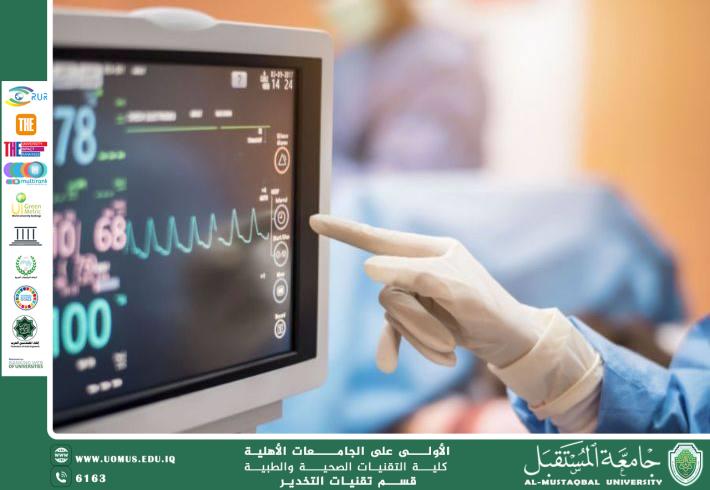
Oxygen measurement devices are essential tools in intensive care units (ICUs), playing a critical role in monitoring patient oxygen levels and supporting timely medical decisions. While traditional devices such as arterial blood oxygen measurement remain in use, modern devices using pulse oximetry have become increasingly common due to their speed, accuracy, and minimal invasiveness. This article examines the performance of these devices in terms of accuracy, reliability, and ease of use, emphasizing their significance in enhancing patient care.
Main Content
• Importance of Oxygen Measurement:
Monitoring blood oxygen levels is crucial for critically ill patients, as it directly impacts treatment decisions and patient outcomes.
• Traditional Devices:
These devices provide accurate readings but require repeated blood sampling and complex handling, which can increase stress on both patients and healthcare staff.
• Modern Devices:
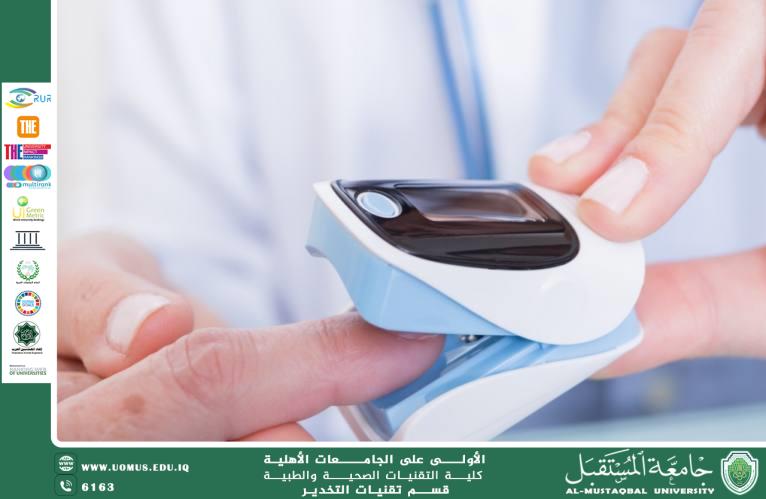
Pulse oximetry devices offer rapid, consistent results with minimal patient intervention, making them easier and safer to use in ICU settings.
• Performance Comparison:
• Accuracy: Modern devices deliver precise readings with reduced variability compared to traditional methods.
• Reliability: Modern devices show higher repeatability of measurements.
• Ease of Use: Modern devices simplify monitoring procedures, decreasing the likelihood of human error.
• Rapid Response: Modern devices allow faster clinical decision-making, improving patient outcomes in critical situations.
• Practical Recommendations:
• Implement modern oxygen measurement devices in ICUs while ensuring staff receive proper training.
• Maintain knowledge of traditional devices as a backup for situations with limited resources or specific clinical needs.
• Develop integrated protocols for the effective use of both modern and traditional devices to ensure accurate monitoring and patient safety.
Conclusion
Modern oxygen measurement devices outperform traditional devices in accuracy, reliability, and ease of use, contributing to higher quality care in ICUs. Regular equipment updates combined with ongoing staff training are recommended to maintain optimal patient monitoring and ensure safety in critical care environments.
Lina Alaa Hussein
Al-Mustaqbal University
The First University in Iraq