
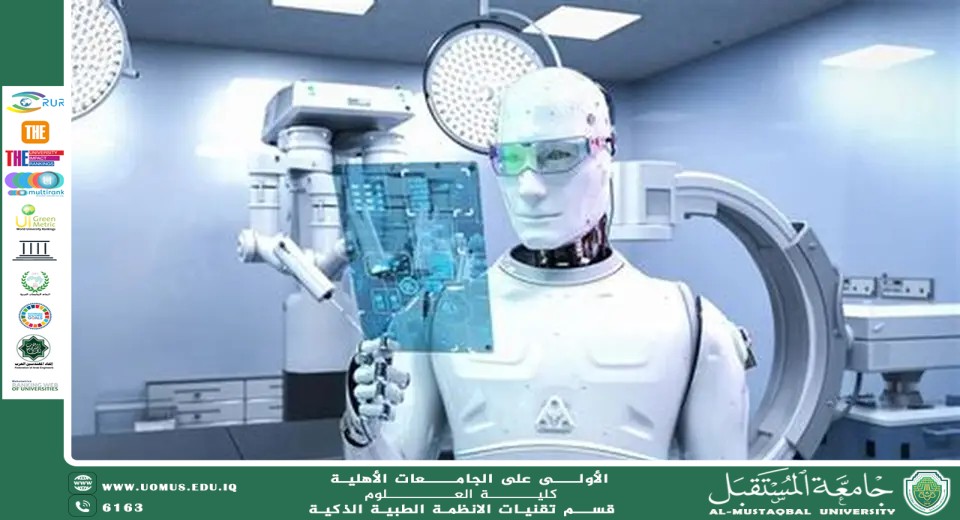
Artificial Intelligence Opens New Horizons in Diagnosing and Treating Neurodegenerative Diseases (Prof. Dr. Mahdi Abadi Mani)
Medical technology is witnessing remarkable advancements in the field of neurodegenerative disease management, which are among the most complex health challenges today due to their gradual nature and profound impact on nervous system functions. One of the most prominent of these diseases is Alzheimer's disease, which affects memory, cognitive abilities, and behavior, creating an increasing health, psychological, and social burden. In this context, artificial intelligence has become a pivotal tool in understanding these diseases and analyzing their complex data, opening new avenues for early diagnosis and improving treatment plans.
Artificial intelligence relies on advanced algorithms capable of processing vast amounts of medical data, such as MRI scans, PET imaging, genetic test results, biochemical analyses, as well as patients’ clinical and behavioral data. Through machine learning and deep learning techniques, computational models can detect subtle patterns invisible to the human eye, linked to the early stages of neurological changes that appear years before obvious symptoms emerge.
In Alzheimer's disease, for example, AI algorithms contribute to analyzing brain images to detect atrophy in specific regions, such as the hippocampus, or abnormal protein deposits associated with the disease. They can also integrate multi-source data to create predictive models that help physicians estimate the likelihood of disease progression in at-risk individuals, supporting early therapeutic intervention before significant cognitive decline occurs.
The role of artificial intelligence extends beyond diagnosis to improving treatment strategies. By analyzing drug response in large numbers of patients, AI can identify patterns indicating the effectiveness of certain medications or the likelihood of side effects, helping design more precise and personalized treatment plans. Smart technologies are also used to monitor disease progression through health applications and wearable devices that continuously collect data on daily activity and cognitive functions, which can be analyzed in real time to provide early alerts when notable changes occur.
Moreover, technology enhances scientific research in this field by accelerating the analysis of large-scale clinical study data, reducing the time needed to test hypotheses and discover new biomarkers. Computational models provide a virtual environment to study disease progression and simulate the effects of potential treatments, which helps reduce costs and risks associated with traditional trials.
Integrating artificial intelligence with modern medical technologies represents a qualitative leap in managing neurodegenerative diseases, enabling a deeper understanding of pathological mechanisms, improving diagnostic accuracy, and supporting data-driven therapeutic decisions. With ongoing algorithm advancements and increased integration of health data, AI is expected to become a core element in building a more efficient healthcare system capable of addressing the challenges of neurological diseases in the future.
Al-Mustaqbal University – The First University in Iraq.