Enhancing Power Plant Efficiency and Achieving Energy Sustainability
Eng Tabark Mohsin Ashoor
The efficiency of power plants and the optimization of fuel systems represent some of the most critical challenges facing the energy sector in the twenty-first century, as the stability of electricity supply and industrial development largely depends on the ability of these plants to convert fuel into electrical and thermal energy at high efficiency with minimal losses, while simultaneously reducing harmful environmental emissions that contribute to global warming and air pollution. In this context, research in fuel and energy technologies has acquired strategic importance, encompassing the study and enhancement of fuel properties through chemical and physical treatments, such as impurity removal, octane rating improvement for liquid fuels, or optimizing the carbon-to-hydrogen ratio in natural gas to reduce carbon emissions and enhance combustion quality. Modern studies also focus on the development of innovative combustion systems, including partial combustion, low-temperature gas combustion, and dual-fuel combustion technologies, enabling power plants to achieve unprecedented operational efficiency, in some cases exceeding 50% compared to conventional methods, while significantly reducing carbon dioxide and nitrogen oxide emissions.
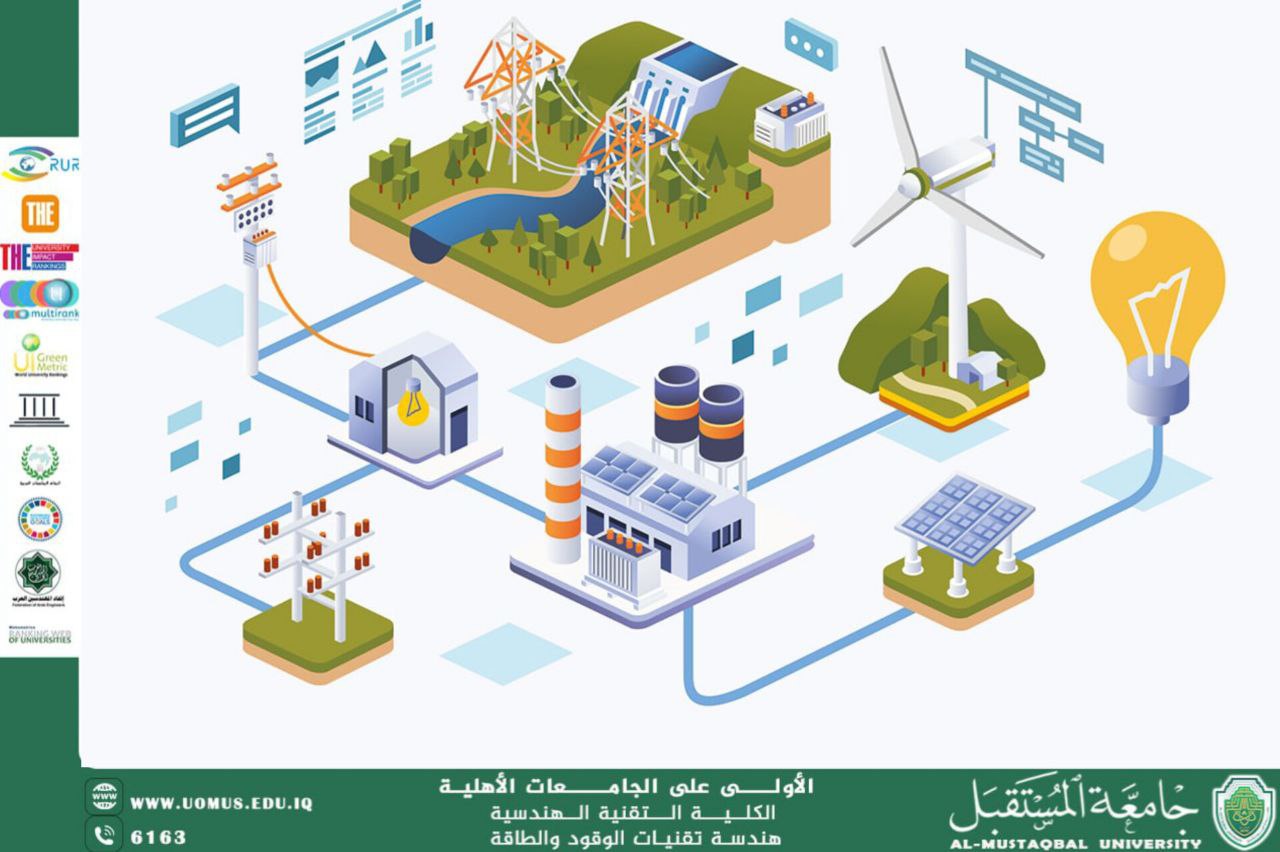
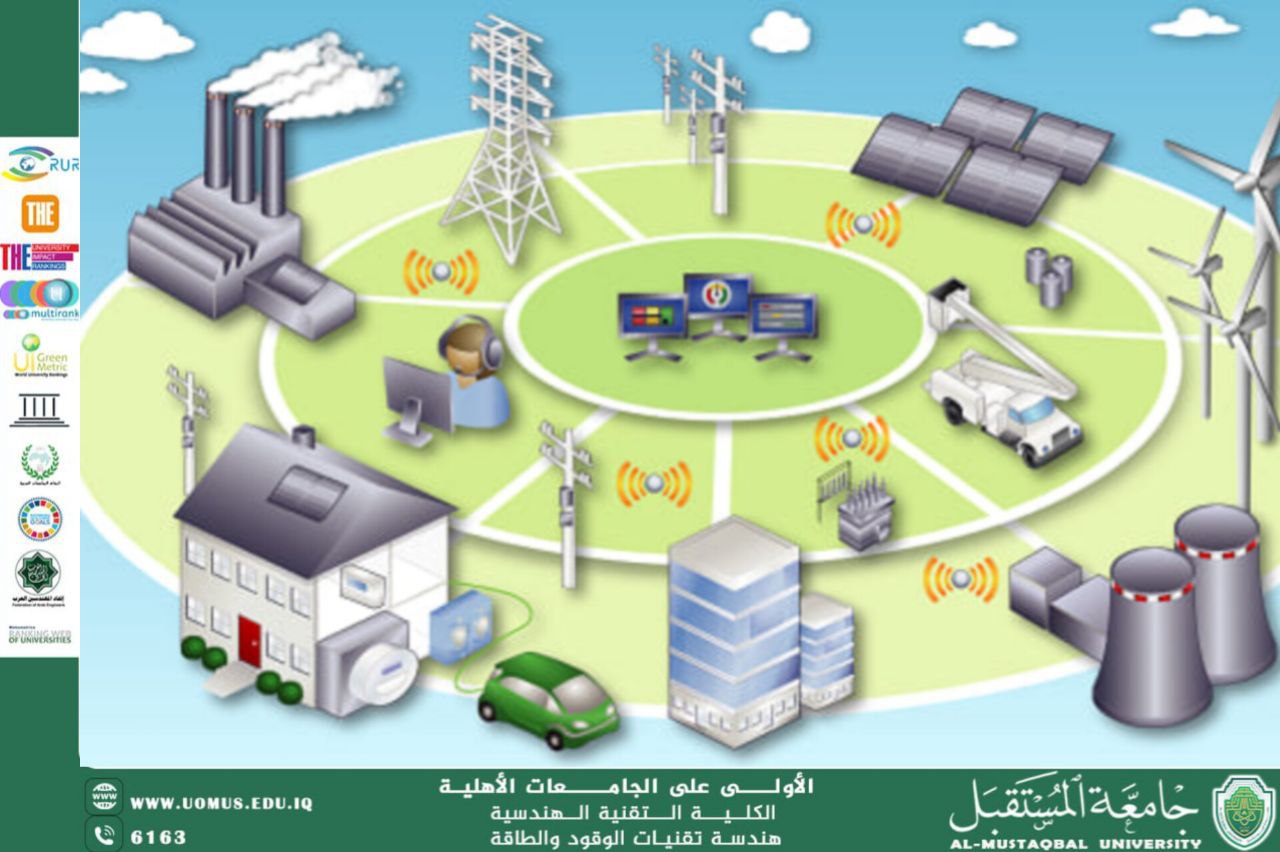
Moreover, intelligent control and continuous monitoring technologies have become integral to modern power plant management, with advanced sensors and data analytics providing real-time, precise information that allows for immediate operational adjustments, contributing to grid stability, reducing energy losses, and optimizing resource utilization. At the same time, the development of sustainable fuels, including biofuels and green hydrogen, has become a central focus of research and practical implementation, aimed at reducing dependence on fossil fuels and achieving sustainable development goals, such as lowering harmful emissions, enhancing energy security, and improving the efficiency of natural resource utilization. The integration of traditional and renewable fuels, alongside the application of cutting-edge engineering and analytical methods, represents a decisive step toward building fully integrated energy systems capable of meeting future demands both locally and globally, ensuring a balance between economy, environment, and sustainability.
Consequently, it is essential for graduates of fuel and energy technology programs to acquire practical expertise in thermal analysis, fuel chemistry, engineering simulation techniques, and modern energy management in order to design innovative solutions capable of enhancing production efficiency and optimizing energy usage. These solutions not only minimize environmental impacts but also contribute to the sustainable development of the energy sector, making this field one of the most vital and impactful areas in achieving a clean, safe, and efficient energy future.