Knowledge Modeling and Representation in Intelligent Systems
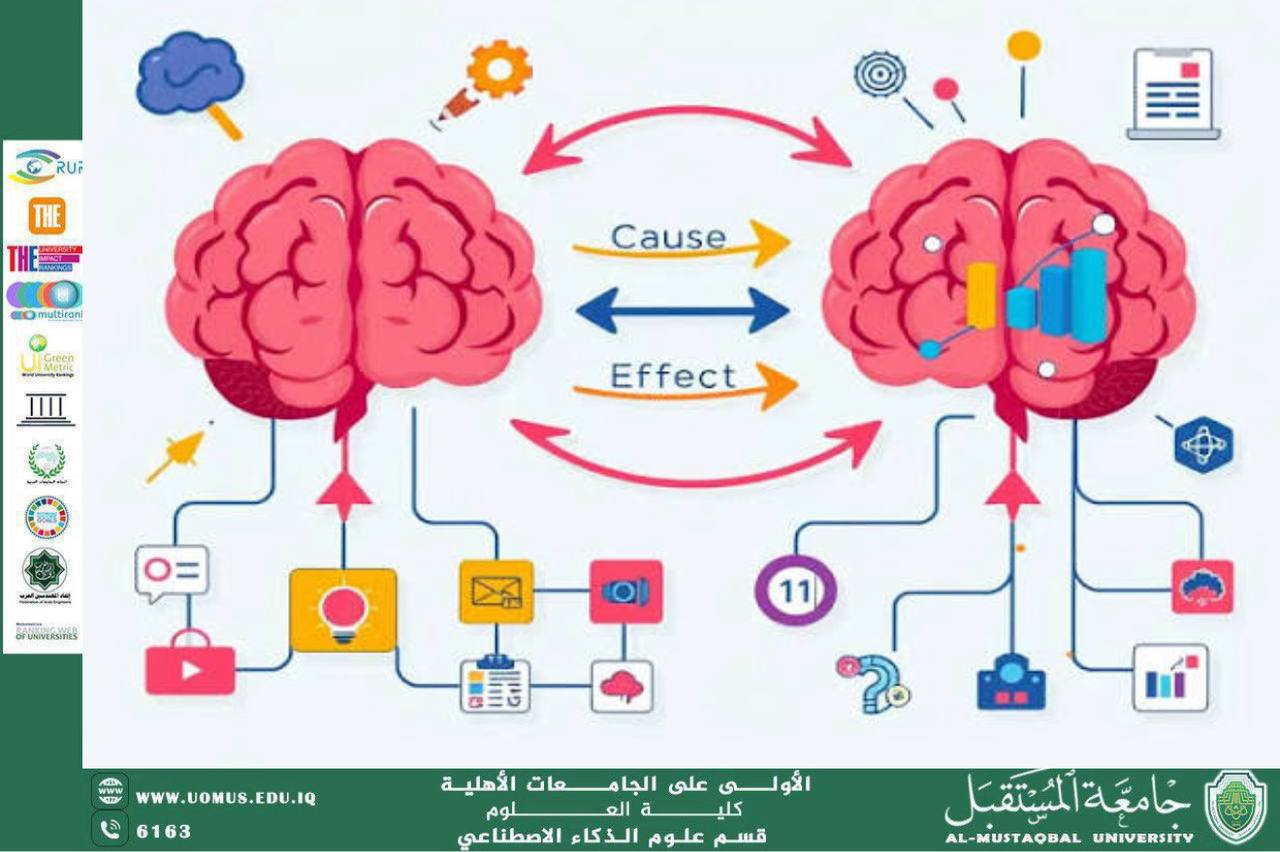
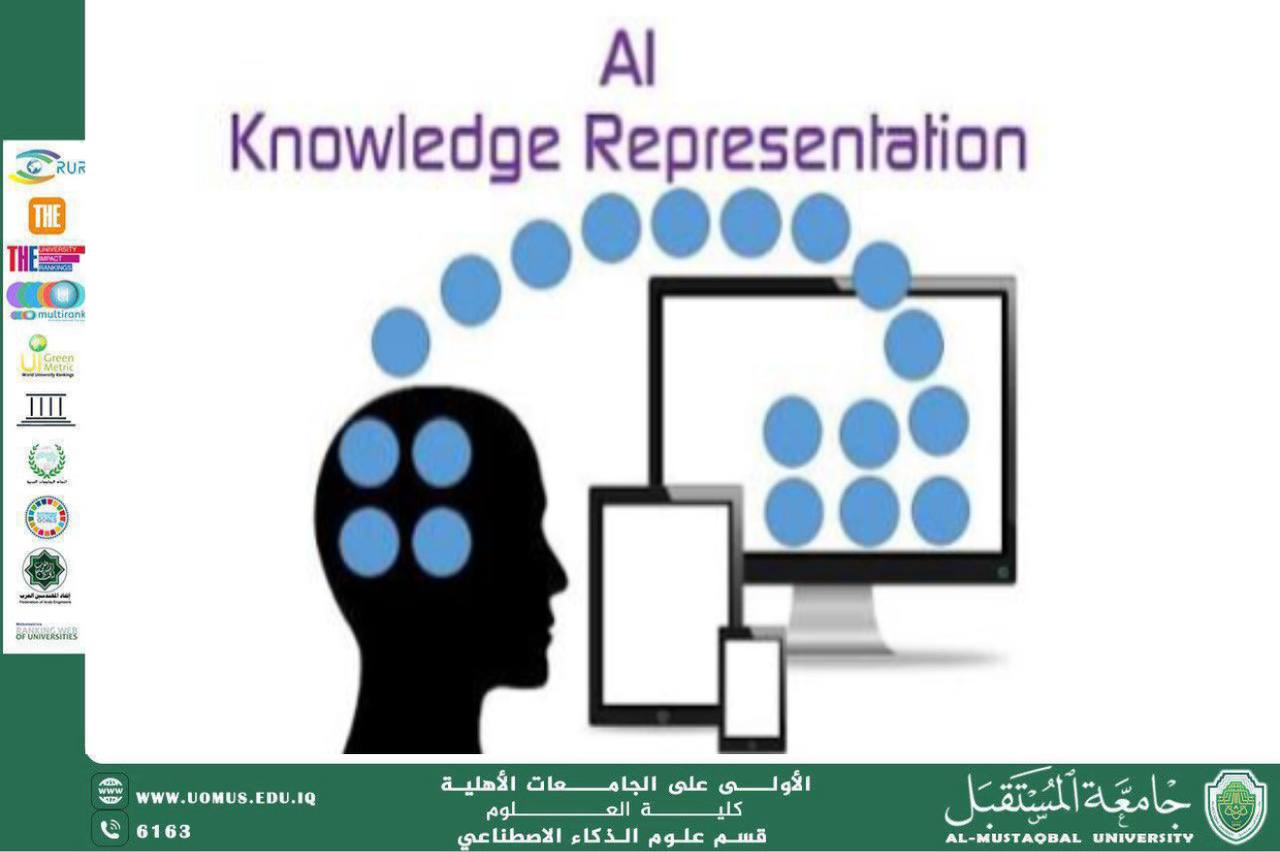
Knowledge modeling and representation constitute fundamental theoretical and practical foundations in building intelligent systems capable of reasoning, understanding, and decision-making. Knowledge modeling focuses on structuring concepts and defining relationships between them in a logical framework, while knowledge representation refers to encoding this structured knowledge into formal formats that can be processed computationally, such as logical rules, semantic networks, frames, and ontologies.
Knowledge representation techniques are widely used in AI applications, including expert systems that rely on rule-based reasoning, semantic search engines that understand contextual relationships, and automated reasoning systems that simulate aspects of human thinking. Furthermore, structured knowledge enhances explainability, enabling AI systems to provide interpretable outputs.
With the rapid advancement of deep learning technologies, a new direction has emerged that integrates symbolic knowledge representation with statistical learning methods, forming what is known as hybrid AI. This approach seeks to combine data-driven learning capabilities with logical reasoning strength to produce more accurate and flexible intelligent systems.
Systematic knowledge representation enables intelligent systems to interact meaningfully with users, understand context, and solve complex problems. Consequently, this field remains a central research area within AI departments, contributing significantly to the development of more reliable and advanced intelligent technologies.