Harmful Effects of Alcohol-Based Perfumes on the Skin
Introduction
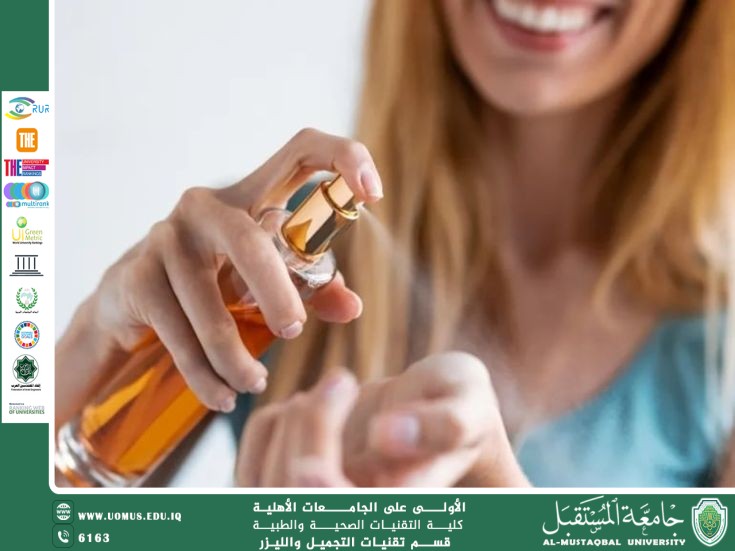
Alcohol-based perfumes are widely used around the world for personal fragrance and hygiene. Although they provide a pleasant scent and a refreshing sensation, their direct application to the skin may cause various dermatological problems. The high concentration of alcohol and certain fragrance compounds can negatively affect skin health, especially with frequent or long-term use.
Composition of Alcohol-Based Perfumes
Most commercial perfumes contain:
Ethanol (ethyl alcohol) – typically 60–90% of the formulation
Fragrance compounds (natural or synthetic)
Small amounts of water and stabilizers
Ethanol acts as a solvent that dissolves aromatic compounds and allows rapid evaporation, which helps diffuse the fragrance. However, this high alcohol content is responsible for many of the potential skin-related side effects.
1. Skin Dryness and Dehydration
Alcohol is a strong solvent and has drying properties. When applied to the skin, it:
Removes natural oils (sebum) from the skin surface
Disrupts the skin’s moisture balance
Causes dryness, flaking, and rough texture
Repeated exposure may weaken the skin’s protective barrier, leading to chronic dehydration.
2. Skin Irritation and Inflammation
Alcohol can irritate the upper layers of the skin, particularly in individuals with sensitive skin. Common symptoms include:
Redness
Burning sensation
Itching
Mild swelling
In some cases, continuous irritation may result in dermatitis.
3. Allergic Reactions (Contact Dermatitis)
Fragrance ingredients are among the most common causes of cosmetic-related allergic reactions. Alcohol enhances the penetration of these compounds into the skin, increasing the risk of:
Allergic contact dermatitis
Skin rash
Blisters or small bumps
Individuals with eczema, psoriasis, or sensitive skin are at higher risk of developing such reactions.
4. Disruption of the Skin Barrier
The skin barrier protects the body from microorganisms and environmental pollutants. High concentrations of alcohol may:
Damage the lipid layer of the skin
Increase transepidermal water loss (TEWL)
Make the skin more vulnerable to infections and irritants
Long-term barrier disruption can contribute to chronic skin sensitivity.
5. Premature Skin Aging
Chronic dehydration and oxidative stress caused by alcohol exposure may:
Reduce collagen production
Decrease skin elasticity
Promote fine lines and wrinkles
Over time, these effects may accelerate premature aging of the skin.
6. Photosensitivity and Pigmentation
Some fragrance compounds can react with ultraviolet (UV) radiation. When alcohol-based perfumes are applied before sun exposure, they may cause:
Phototoxic reactions
Skin discoloration or dark spots
Increased sensitivity to sunlight
This is particularly common when perfumes are applied to exposed areas such as the neck.
Preventive Measures
To reduce potential harm:
Choose alcohol-free or low-alcohol fragrances
Apply perfume on clothing rather than directly on the skin
Moisturize the skin regularly
Perform a patch test before using a new product
Avoid sun exposure immediately after applying perfume
Conclusion
Although alcohol-based perfumes are popular and widely accepted, their high alcohol content and fragrance chemicals may negatively affect skin health. Possible consequences include dryness, irritation, allergic reactions, barrier damage, and premature aging. Proper usage and informed product selection are essential to maintain healthy skin while enjoying personal fragrance.
Al _ Mustaqbal University, the first university in Iraq