
Scientific article about Goodpasture syndrome (GPS)
Introduction
Goodpasture syndrome (GPS) is a rare but serious autoimmune disease that primarily affects the lungs and kidneys. In this condition, the immune system mistakenly produces antibodies that attack the body’s own basement membranes, leading to inflammation and organ damage. Because the disease can progress rapidly, early recognition and treatment are essential to prevent life-threatening complications.
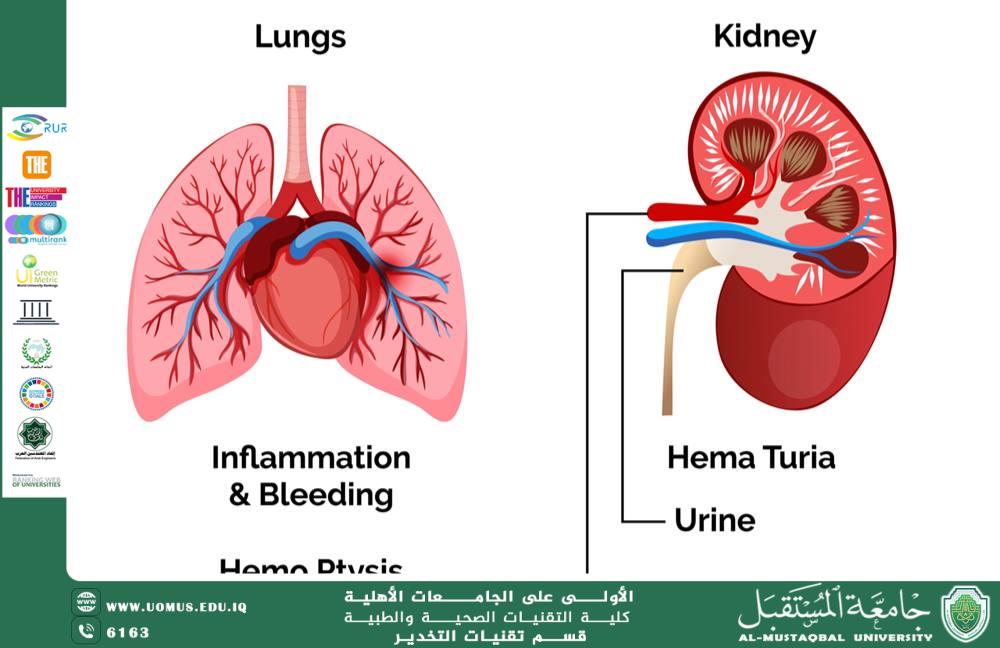
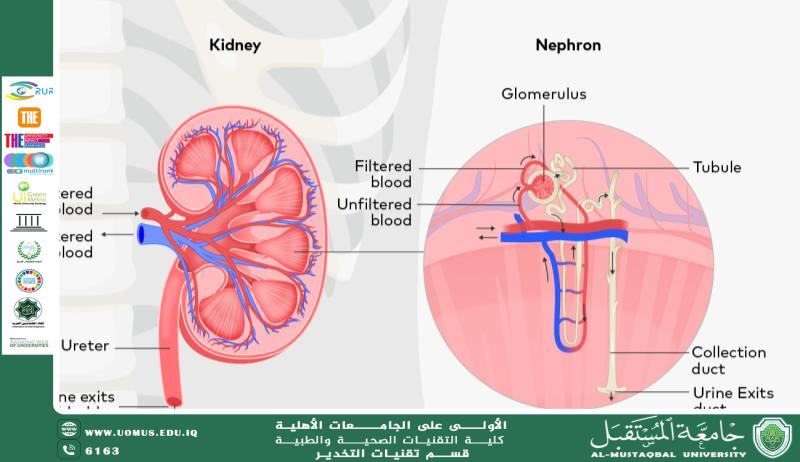
The disorder is caused by anti–glomerular basement membrane (anti-GBM) antibodies that target collagen in the kidney glomeruli and lung alveoli. This immune attack results in pulmonary hemorrhage (bleeding in the lungs) and glomerulonephritis (inflammation of the kidney filtering units).
Patients commonly present with coughing up blood (hemoptysis), shortness of breath, chest discomfort, fatigue, and blood in the urine (hematuria). In severe cases, kidney function declines rapidly, leading to acute kidney failure.
Diagnosis involves detecting anti-GBM antibodies in the blood, urine analysis showing blood and protein, and often a kidney biopsy confirming antibody deposition along the basement membrane. Chest imaging may be required if lung bleeding is suspected.
Treatment must begin urgently and typically includes high-dose corticosteroids to reduce inflammation, immunosuppressive medications such as cyclophosphamide to stop antibody production, and plasmapheresis to remove circulating antibodies from the bloodstream.
Conclusion
Goodpasture syndrome is a medical emergency that can lead to respiratory failure and permanent kidney damage if untreated. However, with early diagnosis and aggressive therapy, patient outcomes improve significantly. Prompt medical intervention plays a crucial role in preserving organ function and saving lives.
Dr. Mohammed jassim.
Al-Mustaqbal University
The First University in Iraq