Advancements in Cancer Treatment Using Technology: How Artificial Intelligence Improves Cancer Therapy Outcomes (Programmer Huda Khudair Hani)
In recent years, the field of cancer treatment has witnessed significant transformations driven by rapid advancements in medical technology and artificial intelligence. The management of tumors is no longer limited to traditional chemotherapy or radiotherapy protocols; rather, it now relies on a deep understanding of the molecular and genetic structure of tumors and the precise analysis of clinical data in a personalized manner. These developments have facilitated a shift from generalized treatment approaches to precision medicine tailored to each patient’s biological characteristics, resulting in improved response rates and reduced complications.
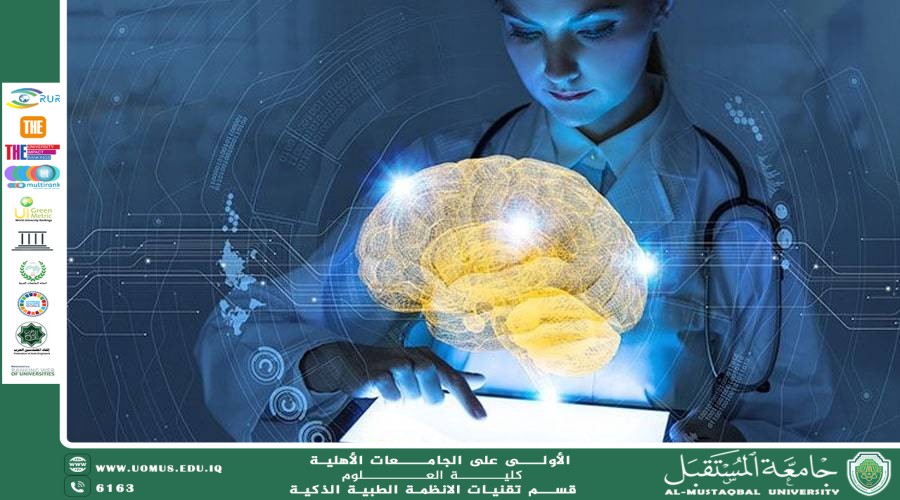
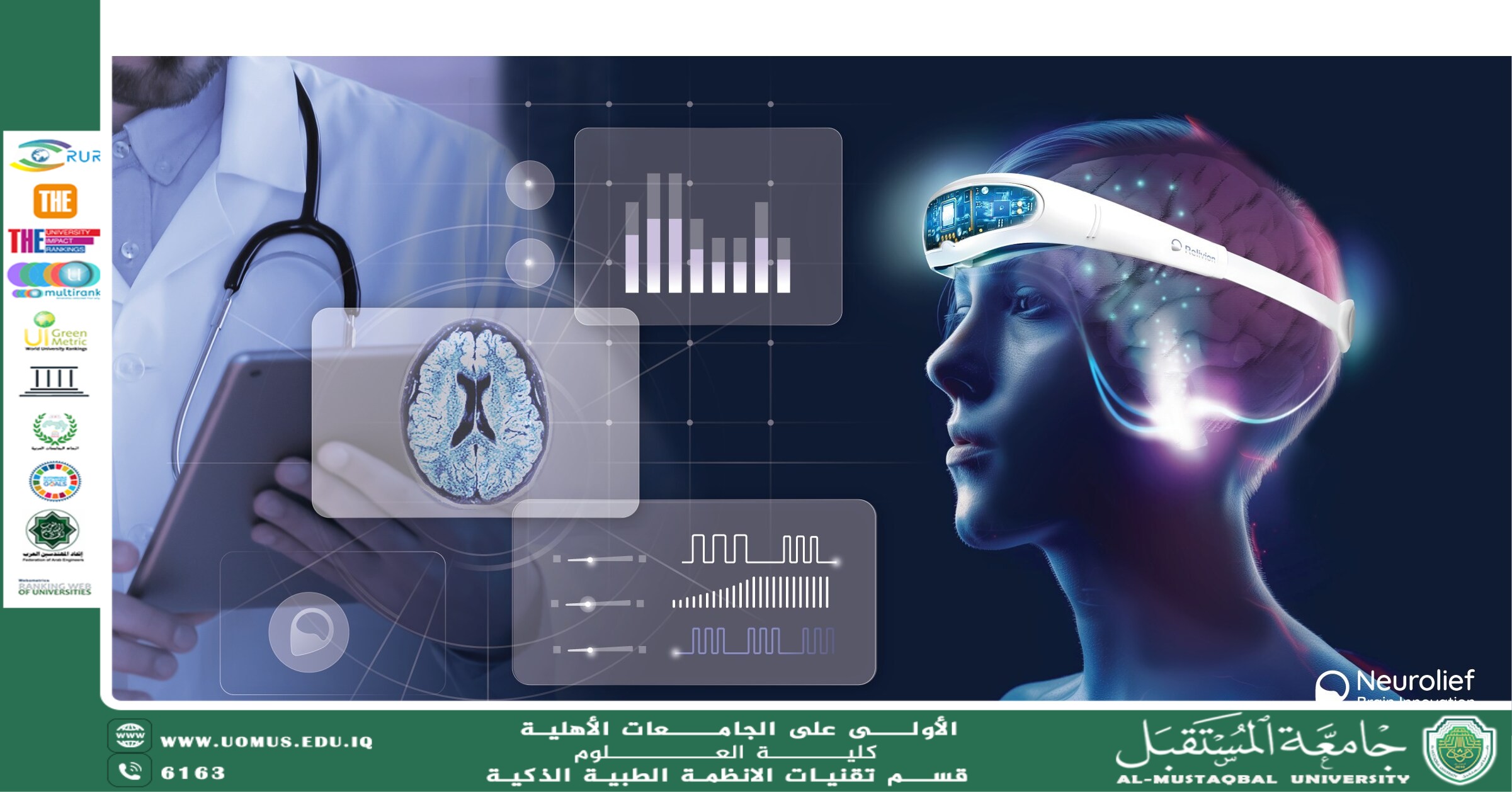
Artificial intelligence has become a pivotal tool in enhancing cancer treatment outcomes through its ability to analyze vast amounts of medical data, including radiological images, pathology reports, and genetic test results. Advanced algorithms can detect subtle patterns in medical imaging, such as CT scans and MRI images, which may be difficult for the human eye to identify, thereby contributing to more accurate diagnoses and objective tumor staging. In addition, deep learning systems help predict a patient’s response to specific therapies by analyzing medical history and genetic and biological factors, enabling physicians to select the most effective and least toxic treatment plan.
Technology also plays a crucial role in the field of targeted therapy, representing a conceptual shift in cancer treatment. This approach focuses on targeting specific molecules or pathways responsible for cancer cell growth and spread, rather than affecting all rapidly dividing cells as conventional chemotherapy does. Advances in genomic analysis and DNA sequencing technologies have made it possible to identify precise genetic mutations within tumors, leading to the development of drugs that directly target these mutations. This strategy has significantly improved survival rates for many patients and reduced treatment-related side effects.
Furthermore, technological advancements have supported the evolution of immunotherapy, which enhances the immune system’s ability to recognize and attack cancer cells. Advanced data analytics tools assist in identifying patients who are most likely to benefit from this type of therapy by evaluating biomarkers associated with immune response. AI-driven predictive models are also used to anticipate potential treatment resistance, allowing medical teams to adjust therapeutic strategies at an early stage.
Additionally, digital technologies have improved patient monitoring during and after treatment through electronic health records and smart platforms that continuously track vital signs and symptoms. This integration of clinical data with intelligent analytics enables real-time evidence-based decision-making, reduces medical errors, and enhances the overall quality of healthcare delivery.
Advancements in cancer treatment using technology extend beyond drug development to encompass an integrated system of precise diagnosis, personalized therapy, predictive analytics, and continuous monitoring. Artificial intelligence and advanced biotechnologies are expected to continue transforming this field, enhancing recovery chances, improving patients’ quality of life, and establishing a new era of medicine founded on precision, intelligence, and digital integration.
Al-Mustaqbal University is the first one university in Iraq.