Technology in Accelerating Clinical Diagnosis: How Artificial Intelligence Reduces Diagnostic Time (Assistant Dr. Maytham Nabil Miqdad)
In recent years, the healthcare sector has witnessed remarkable progress in the use of technology to accelerate clinical diagnostic processes. This advancement has had a direct impact on improving the quality of healthcare services and reducing complications resulting from delayed disease detection. Time is a critical factor in clinical medicine, as rapid access to an accurate diagnosis can make a substantial difference in treatment pathways and outcomes, particularly in emergency cases, chronic diseases, and cancer. Modern digital technologies have significantly reshaped diagnostic mechanisms through efficient integration and analysis of medical data.
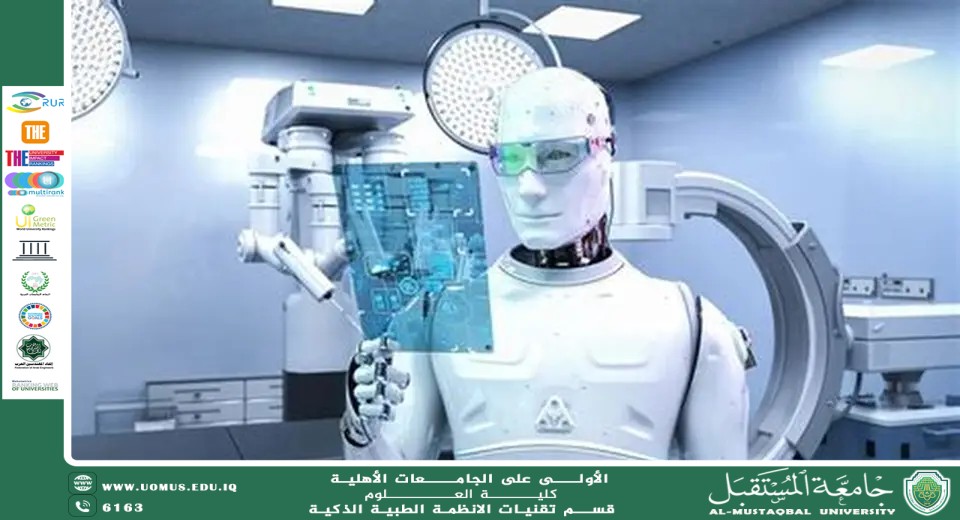
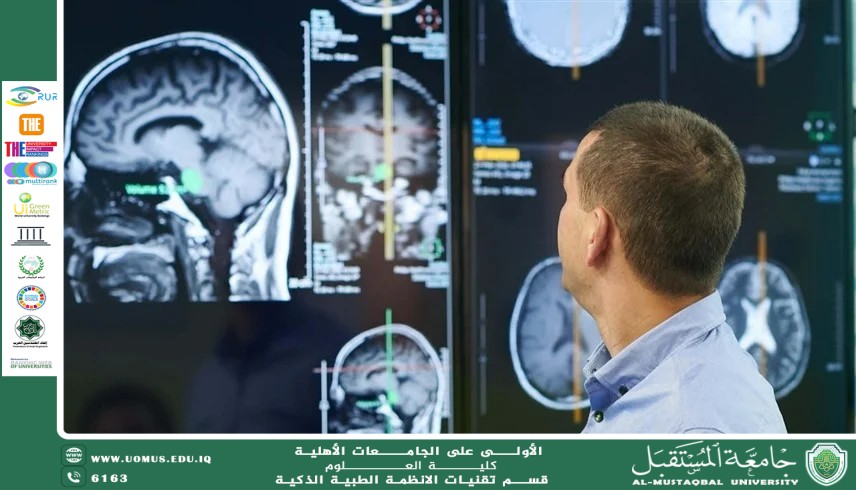
Artificial intelligence plays a central role in reducing diagnostic time through its ability to process vast amounts of data in a fraction of the time required by human capabilities. Intelligent systems rely on machine learning and deep learning algorithms to analyze medical images, such as X-rays, CT scans, and MRIs, detecting pathological indicators quickly and accurately. These systems are not limited to initial detection; they can also prioritize cases based on severity, enabling physicians to intervene urgently in critical situations and minimize waiting times. In addition, natural language processing technologies are used to analyze electronic medical records and extract relevant clinical information, significantly shortening the time needed to review patient histories and enhancing the efficiency of medical decision-making.
Moreover, technological tools contribute to improving diagnostic speed through the integration of digital laboratories and health information systems. Laboratory results can now be transmitted and analyzed electronically in real time and directly linked to the patient’s digital medical file, reducing delays caused by paperwork or manual data transfer. Data-driven clinical decision support systems provide diagnostic suggestions based on symptom analysis, laboratory findings, and patterns of similar medical cases, helping physicians narrow diagnostic possibilities more rapidly.
Wearable sensors and smart health applications have also enabled continuous monitoring of patients’ vital signs, such as heart rate, oxygen levels, and blood pressure. These streaming data are analyzed by intelligent systems to detect early abnormalities, allowing diagnosis at earlier stages before conditions worsen. This proactive approach reduces the need for repeated emergency visits and enhances opportunities for early medical intervention.
The integration of artificial intelligence and modern technological tools is not intended to replace physicians, but rather to support them with advanced analytical capabilities that accelerate the achievement of accurate and reliable diagnoses. As cloud computing and big data analytics continue to evolve, clinical diagnosis is expected to become even faster and more efficient, thereby enhancing patient safety and improving the level of healthcare services across medical institutions.
Al-Mustaqbal University is the first one university in Iraq.