Modern Medical Technologies and Their Impact on Disease Diagnosis
In recent years, the medical field has witnessed remarkable advancements, particularly in diagnostic technologies, leading to more accurate and early detection of diseases, and consequently enabling faster and more effective treatment. Today, modern medical technologies are a cornerstone of healthcare, combining science and technology to serve humanity.
1. Advancements in Medical Imaging
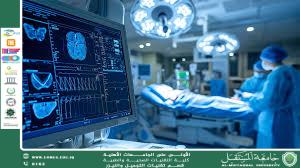
One of the most notable areas of development is medical imaging, such as CT scans, MRI, and ultrasound. These devices allow physicians to view internal organs in detail, facilitating the diagnosis of conditions like tumors, heart diseases, and neurological disorders. Recent improvements have reduced examination time and enhanced image quality, aiding early detection of many conditions.
2. Advanced Laboratory Testing
Medical laboratories have experienced a significant revolution through molecular and genetic techniques, such as PCR tests for detecting viruses and bacteria, and genetic analysis to identify predispositions to hereditary diseases. These technologies have made diagnoses more accurate, minimized medical errors, and enabled early prevention of chronic illnesses.
3. Role of Artificial Intelligence and Digital Technologies
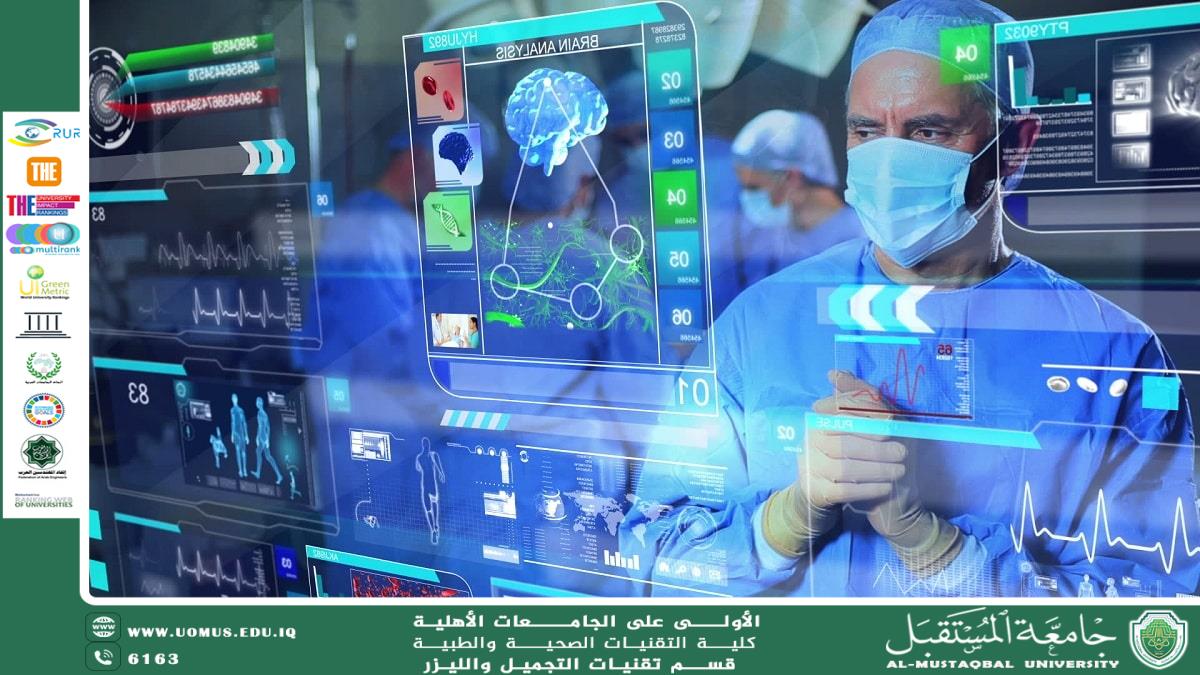
Digital technologies and artificial intelligence (AI) have brought a major transformation in medical diagnostics. Intelligent systems can analyze medical images quickly and accurately, identifying patterns that may be overlooked by humans. These technologies are also used to predict the risk of developing certain diseases, enhancing physicians’ ability to provide personalized treatment plans.
4. Impact on Healthcare Quality
Modern medical technologies not only improve diagnosis but also directly enhance healthcare quality. Early detection reduces disease complications and increases recovery chances. These technologies also minimize the need for unnecessary surgeries and help in making data-driven treatment decisions.
5. Future Challenges
Despite the significant benefits, challenges remain, such as the high cost of advanced equipment, the need to train medical personnel, and ensuring digital privacy of patient health data. Nevertheless, technological progress remains essential for the future of diagnosis and treatment.
Conclusion:
Modern medical technologies have become essential tools in contemporary healthcare, increasing diagnostic accuracy, speeding up disease detection, and improving patient quality of life. As technology continues to evolve, we can expect even more precise and efficient tools, enabling personalized healthcare for every individual.
AL_mustaqbal University is the first university in Iraq