From Imagination to Intelligent Interaction: Integrating Artificial Intelligence with Extended Reality
Extended Reality has emerged as a transformative technological trend, enabling immersive digital environments that simulate or augment the physical world. As these environments become increasingly complex, there is a growing demand for systems capable of real-time analysis, understanding, and decision-making. Artificial Intelligence serves as the driving force behind transforming static virtual spaces into dynamic, intelligent ecosystems.
⸻
AI as an Enabler of Extended Reality
AI enhances XR systems through several key dimensions:
1. User Behavior Analysis:
Machine learning algorithms analyze interaction patterns and predict user needs.
2. Personalization:
Adaptive systems modify virtual content based on user preferences and behavior.
3. Natural Interaction:
AI-powered speech recognition, motion tracking, and computer vision enable seamless engagement.
4. Real-Time Responsiveness:
Intelligent decision-making based on sensor and contextual data.
⸻
Enhancing User Experience in Immersive Environments
The integration of AI with XR improves digital experiences by:
• Reducing latency
• Increasing realism
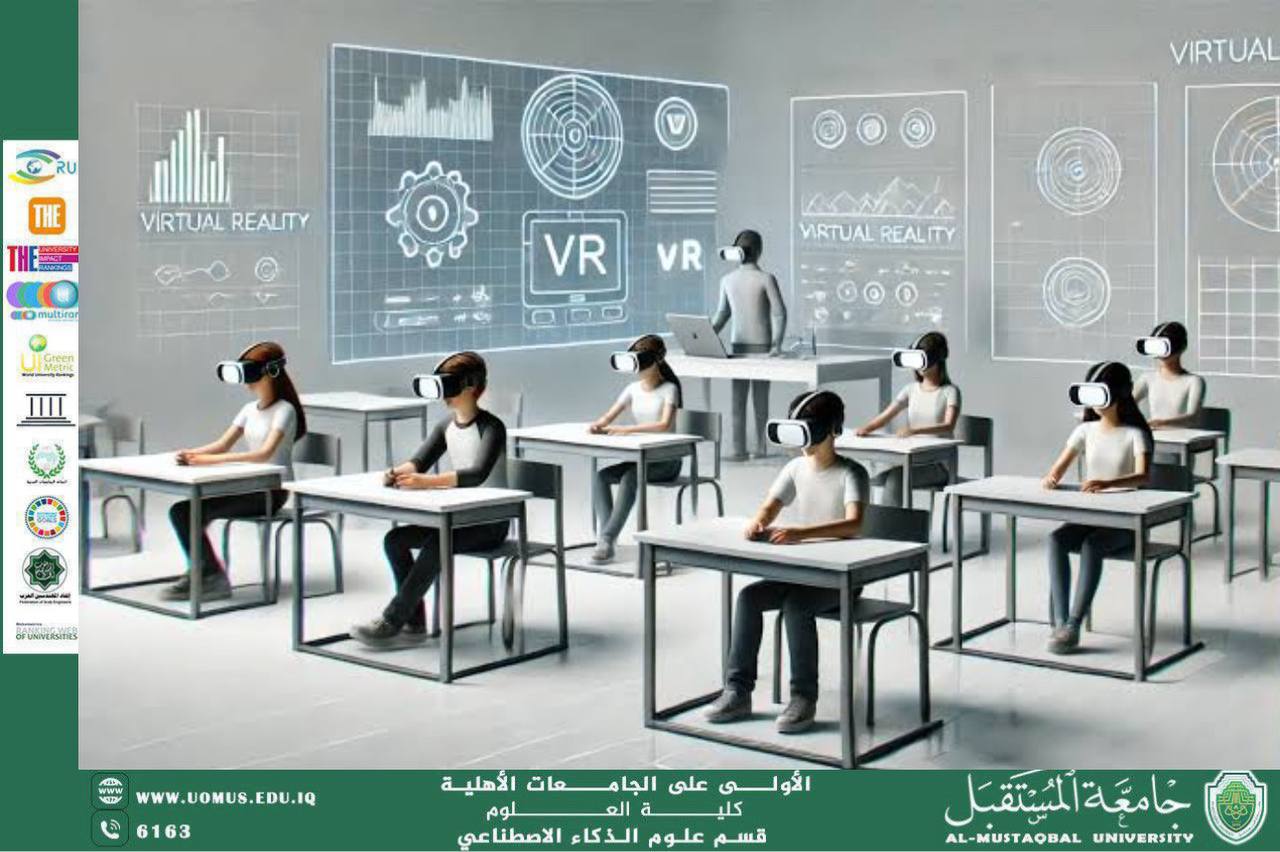
• Supporting interactive education and training platforms
• Enhancing healthcare and industrial simulation applications
These advancements significantly improve user engagement and satisfaction.
⸻
Future Applications
The convergence of AI and XR is expected to drive innovation in:
• Smart simulation-based learning platforms
• High-fidelity virtual training systems
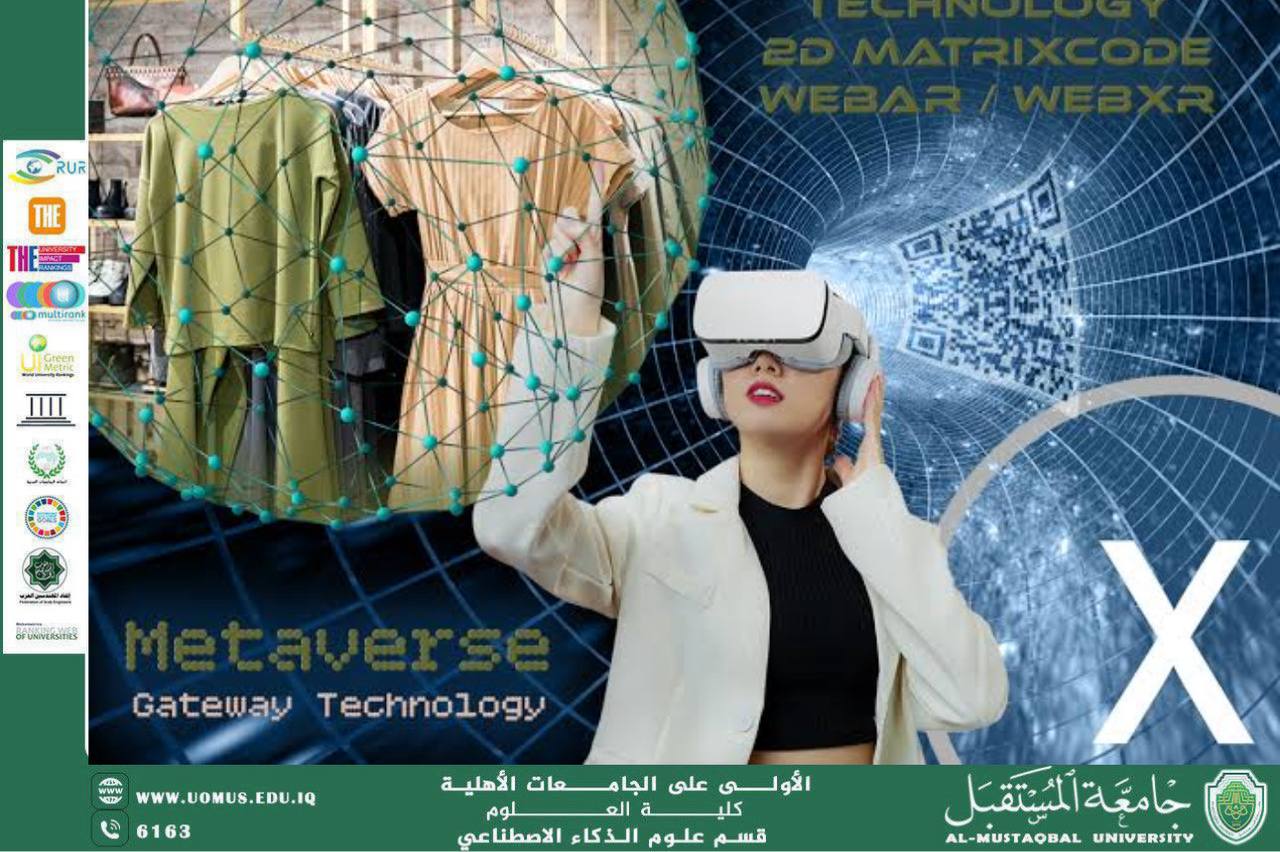
• Interactive retail experiences
• AR-based therapeutic and rehabilitation solutions
This integration moves toward context-aware, self-adaptive digital ecosystems.
⸻
Conclusion
The shift from conventional virtual environments to intelligent interactive systems marks a fundamental transformation in human–machine interaction. Integrating AI with Extended Reality forms the foundation for next-generation immersive digital experiences characterized by adaptability, intelligence, and continuous learning. This convergence not only enhances user experience but also unlocks vast opportunities for innovation across multiple domains.