Using Computer Systems and Machine Learning to Analyze Medical Imaging and Provide Accurate Diagnoses
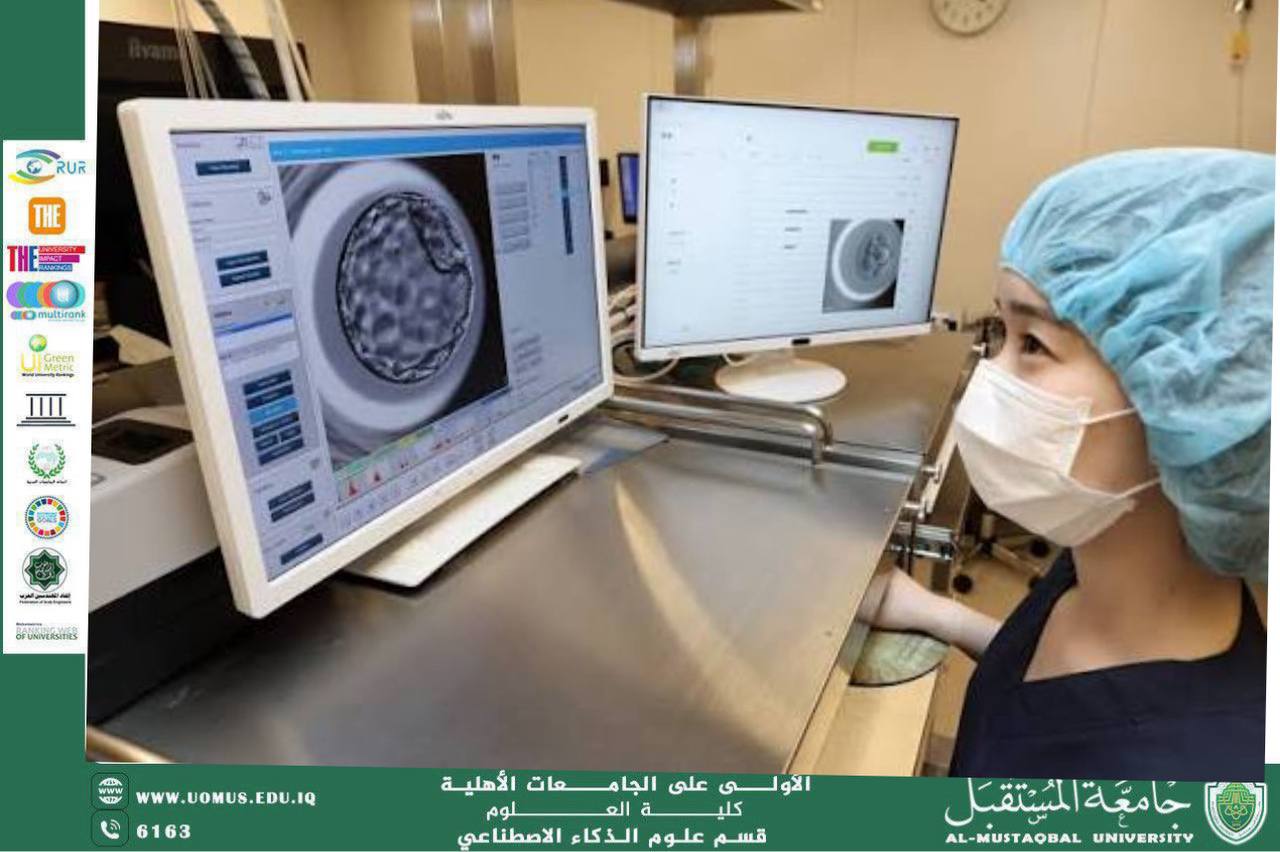
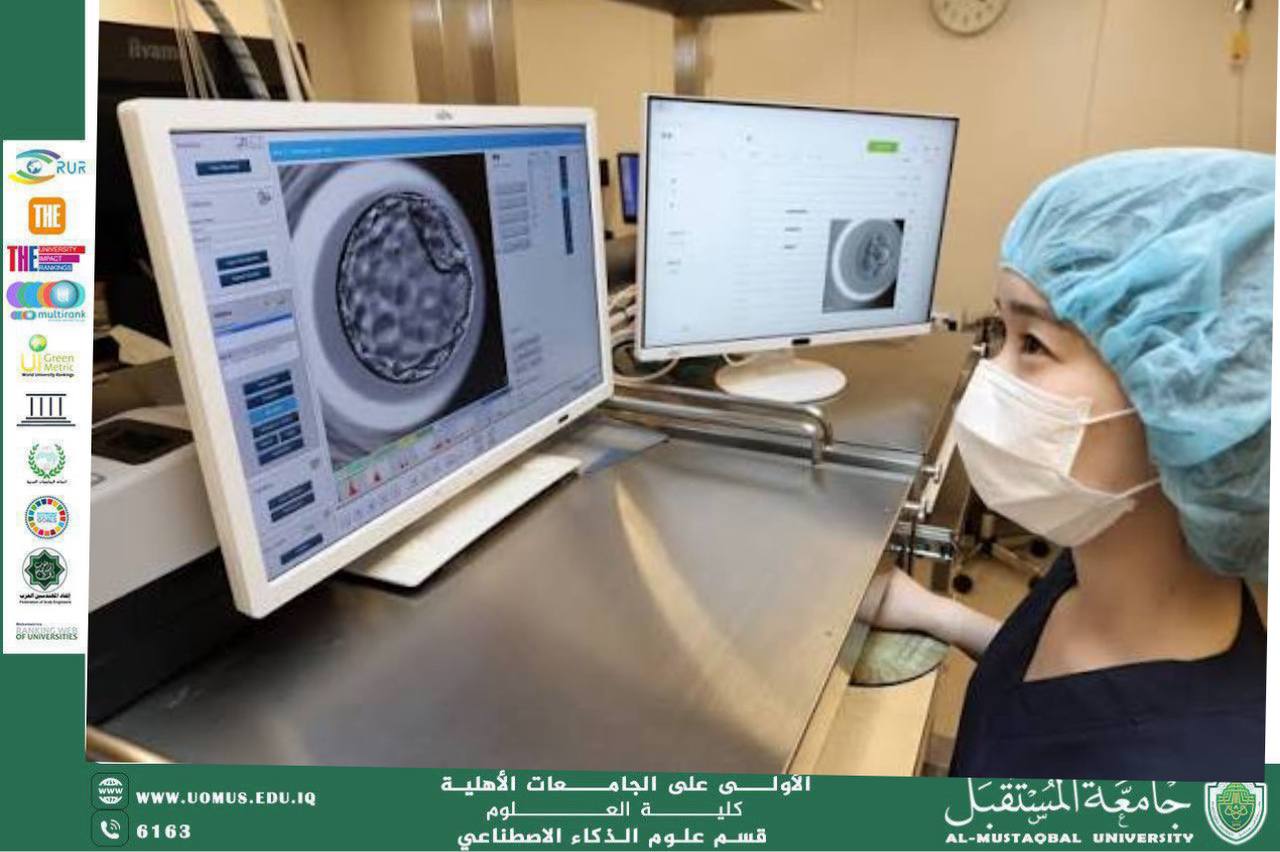
Medical diagnosis heavily relies on imaging techniques such as X-rays, Computed Tomography (CT), and Magnetic Resonance Imaging (MRI). With the growing number of patients and increasing complexity of diseases, there is a pressing need for advanced computational tools that assist physicians in analyzing medical data efficiently.
Machine learning has introduced transformative changes in this field, enabling intelligent models to detect pathological patterns with high precision through the analysis of large-scale medical datasets.
⸻
Role of Machine Learning in Medical Image Analysis
Machine learning algorithms learn from data and continuously improve their performance. In medical imaging, techniques such as Artificial Neural Networks (ANNs) and Convolutional Neural Networks (CNNs) are widely used to extract meaningful features from images.
Key Applications:
1. Early tumor detection
2. Lung disease diagnosis from X-ray images
3. Brain scan analysis for stroke and tumor detection
4. Accurate disease classification
These technologies reduce diagnostic time and enhance accuracy, ultimately improving patient outcomes.
⸻
Advantages of Intelligent Systems in Healthcare
• Faster image analysis compared to manual interpretation
• Reduced error rates caused by fatigue or subjective judgment
• Clinical decision support
• Continuous operation without interruption
⸻
Challenges and Ethical Considerations
Despite their advantages, AI-based medical systems face challenges such as:
• Requirement for large, high-quality datasets
• Ensuring patient data privacy
• Validating model accuracy before clinical deployment
• Legal accountability in case of misdiagnosis
⸻
Conclusion
The integration of computer systems and machine learning in medical imaging represents a major advancement in healthcare. As algorithms continue to evolve and data availability increases, intelligent systems are expected to become essential partners for physicians, contributing to more accurate, efficient, and sustainable healthcare services.