The Role of Histology in Forensic Evidence (Asst. Prof. Bushra Hussein Atiyah)
Introduction
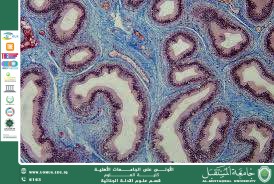
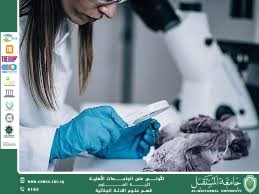
Histology is an important branch of biology that focuses on the microscopic study of tissues in living organisms. With the advancement of forensic science, histology has become a valuable tool in the analysis of biological evidence collected from crime scenes, providing detailed information that supports criminal investigations and justice.
⸻
Histology and Forensic Evidence
Biological forensic evidence includes samples such as skin, muscles, bones, blood, and hair. Through microscopic examination, histology helps identify tissue types and determine whether a sample is of human or animal origin, which is essential in forensic investigations.
Importance of Histological Examination
Histology assists forensic experts in:
• Identifying different tissue types (epithelial, connective, muscular, and nervous)
• Detecting pathological changes or injuries caused by violence
• Determining whether injuries occurred before or after death
Histological analysis is especially useful when DNA evidence is degraded or unavailable.
Bone Tissue in Forensic Science
Bone histology plays a significant role in forensic investigations by helping to:
• Estimate age at death
• Identify the type and cause of fractures
• Distinguish between recent and old bone injuries
These findings are crucial in cases involving skeletal remains and identification of unknown victims.ه
Conclusion
Histology represents a precise scientific tool that complements forensic evidence analysis. By examining biological tissues at the microscopic level, histology contributes to understanding injuries, determining causes of death, and ultimately supporting the pursuit of justice.
Al-Mustaqbal University – the first university in Iraq.
SDG4