
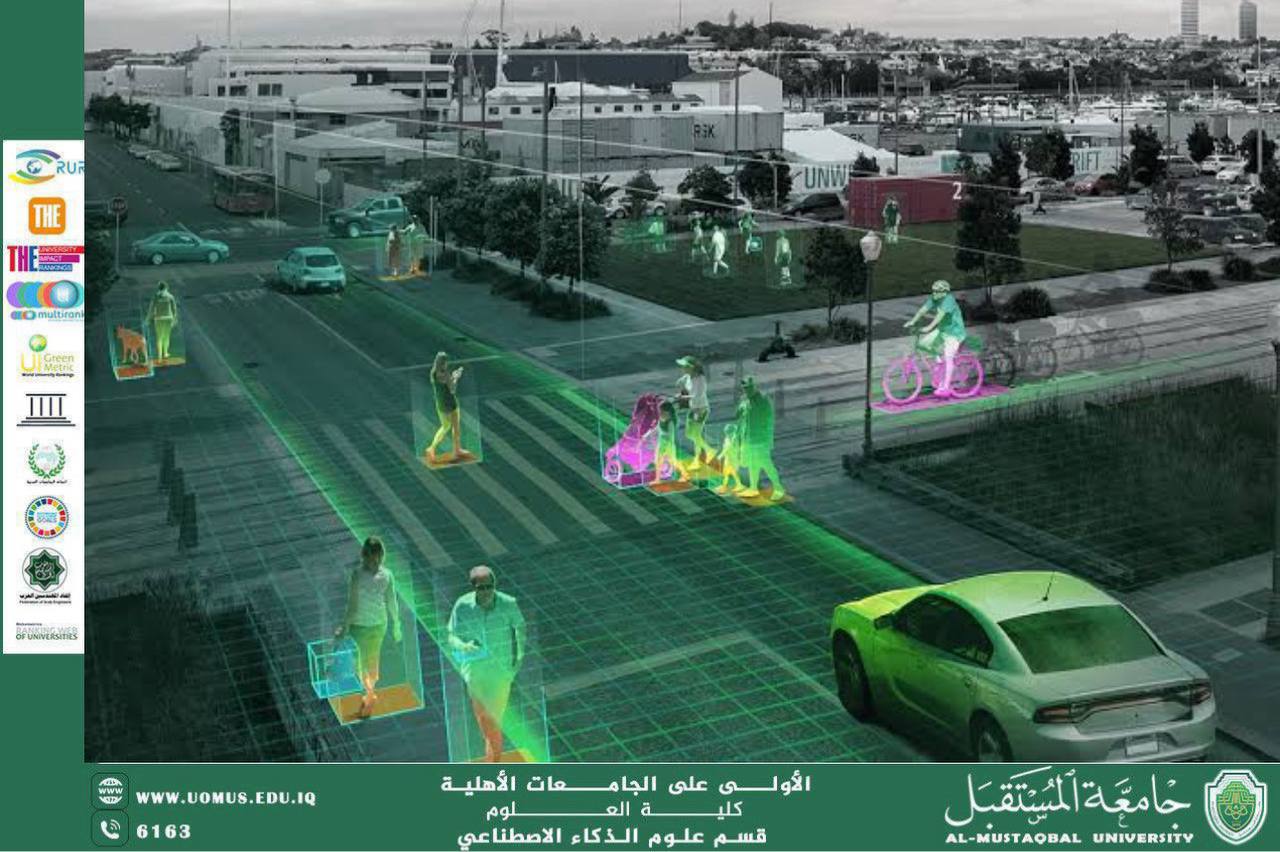

The role of artificial intelligence in smart cities and improving public services. Researcher: Banin Nazim
Artificial intelligence serves as a cornerstone in the development of smart cities, significantly contributing to enhancing the quality of life for citizens by analyzing large amounts of data and managing resources more efficiently. Smart cities rely on a wide array of interconnected digital systems, including public transportation, energy, security, healthcare, and infrastructure, and artificial intelligence enables the optimization of these systems through predictive analytics, intelligent service allocation, and real-time decision-making. For instance, AI can analyze traffic data to reduce congestion and improve vehicle flow, as well as manage energy consumption in public buildings to ensure optimal use and minimize waste. Furthermore, artificial intelligence plays a critical role in healthcare services by remotely monitoring patients, analyzing medical data, and providing timely and accurate interventions. In the field of security, intelligent systems help detect crimes or environmental hazards early, increasing overall public safety. AI also enhances the citizen experience through mobile applications and digital platforms that provide real-time information on available services, such as transportation, public facilities, and community events. Moreover, AI contributes to waste management and air quality analysis, promoting greater environmental sustainability. The analysis of big data in smart cities further supports urban planning, identifying areas that require development or service improvement. Through machine learning, these systems can adapt to continuous changes in citizen behavior and environmental conditions, making city management more flexible and effective. Integrating AI into smart cities not only improves public services but also fosters economic and social innovation by supporting new technological initiatives and encouraging citizen participation in decision-making. Additionally, artificial intelligence provides opportunities to reduce operational costs and increase efficiency, enabling cities to better face future challenges. With ongoing technological advancements, AI is expected to become an integral part of smart city infrastructure, ensuring sustainable improvement of public services and enhancing the quality of life for all residents.