Bones and Their Role in Forensic Evidence (Asst. Prof. Bushra Hussein Atiyah)
Bones are among the most durable tissues in the human body, allowing them to persist long after death. For this reason, bones are considered one of the most important biological evidences in forensic science and forensic anthropology, as they provide valuable information for identification and determination of the cause and circumstances of death.
Bones as Forensic Evidence
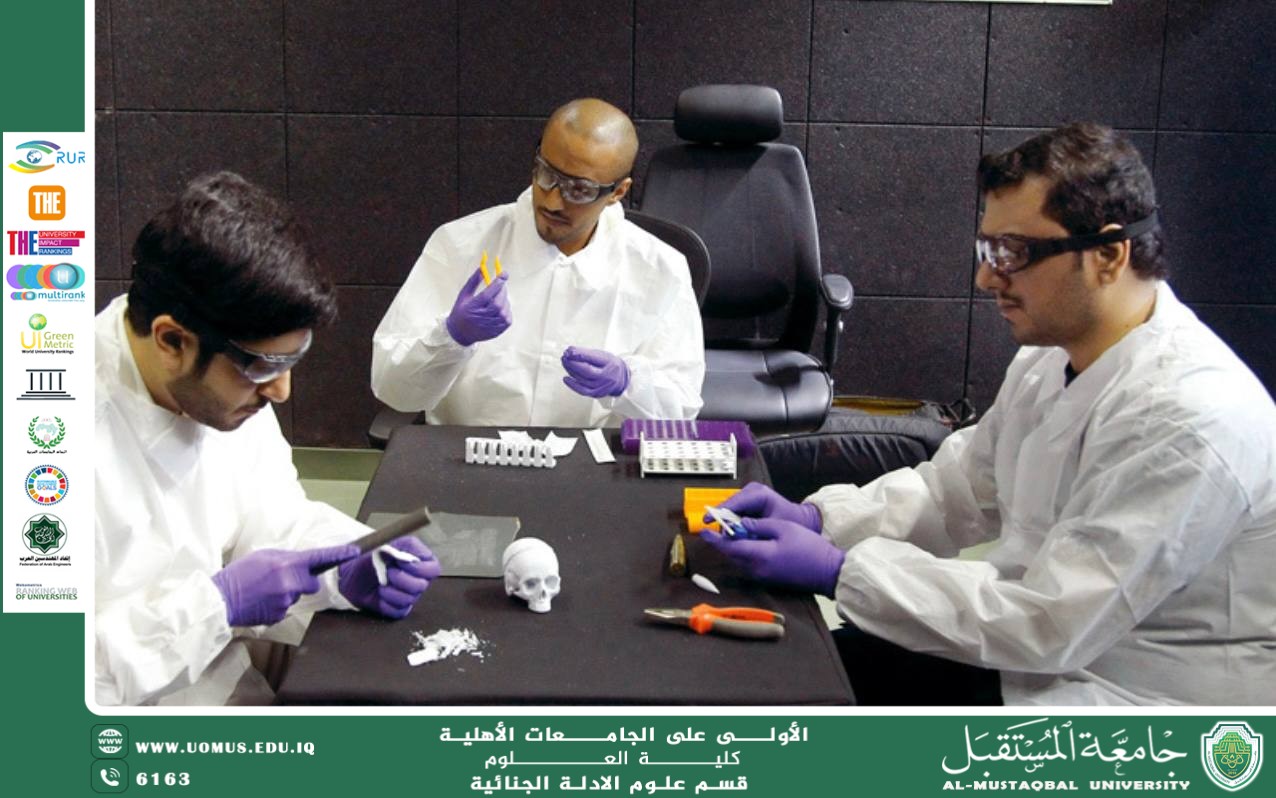
Bones are analyzed in forensic investigations when soft tissues are decomposed or absent. Through skeletal analysis, forensic experts can:
• Determine whether remains are human or animal
• Identify the victim
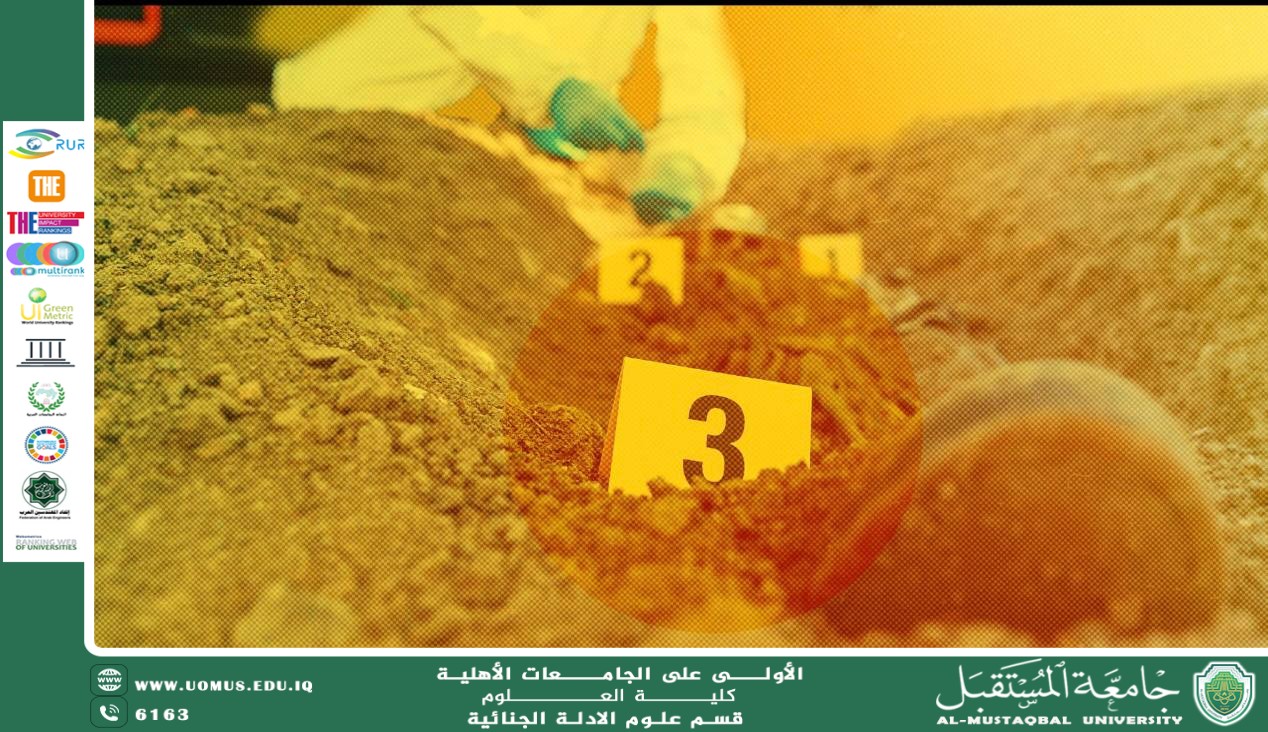
• Link skeletal remains to a crime scene
This is especially important in cases involving skeletal remains.
Determination of Age, Sex, and Height
Bone analysis helps to:
• Estimate age based on bone growth and epiphyseal fusion
• Determine sex using pelvic and skull characteristics
• Estimate stature from long bones such as the femur
These data are used to construct the biological profile of the victim.
Bones and Cause of Death
Skeletal examination can:
• Distinguish between recent and old fractures
• Identify the type of trauma (sharp force, blunt force, or gunshot)
• Reveal signs of violence or accidents
Such findings assist in reconstructing the events surrounding a crime.
DNA Analysis from Bones
Bones are an important source of DNA, particularly in old or highly decomposed remains. DNA extracted from bone tissue can:
• Help identify individuals
• Match victims with relatives
• Support other forensic evidence
Conclusion
Bones represent a crucial form of forensic evidence, providing reliable biological and investigative information even long after death. This highlights the essential role of skeletal analysis in solving crimes and achieving justice.
Al-Mustaqbal University – the first university in Iraq.
SDG4