Strategic Developments and Sustainability Challenges in Modern Fuel Technologies
Engineer Tabarak Mohsin Ashour
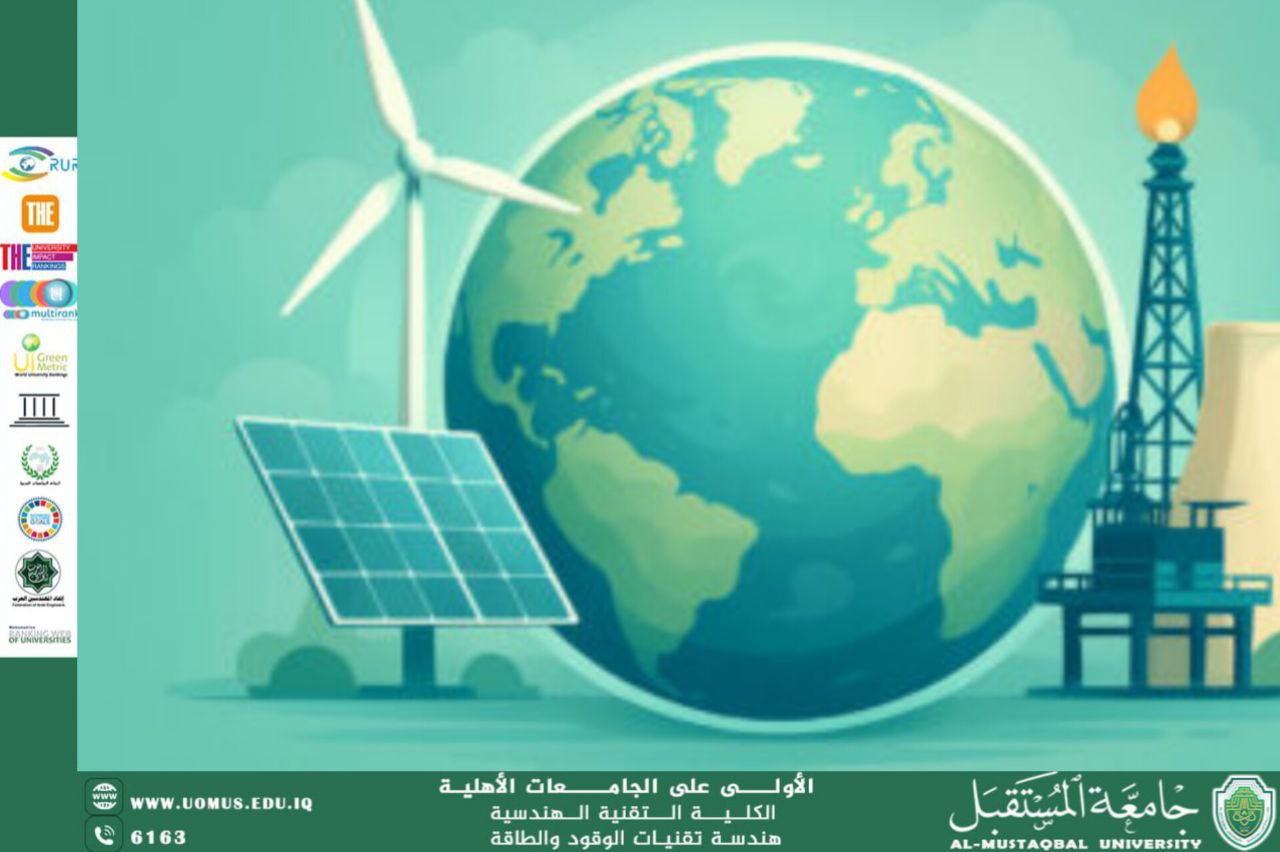
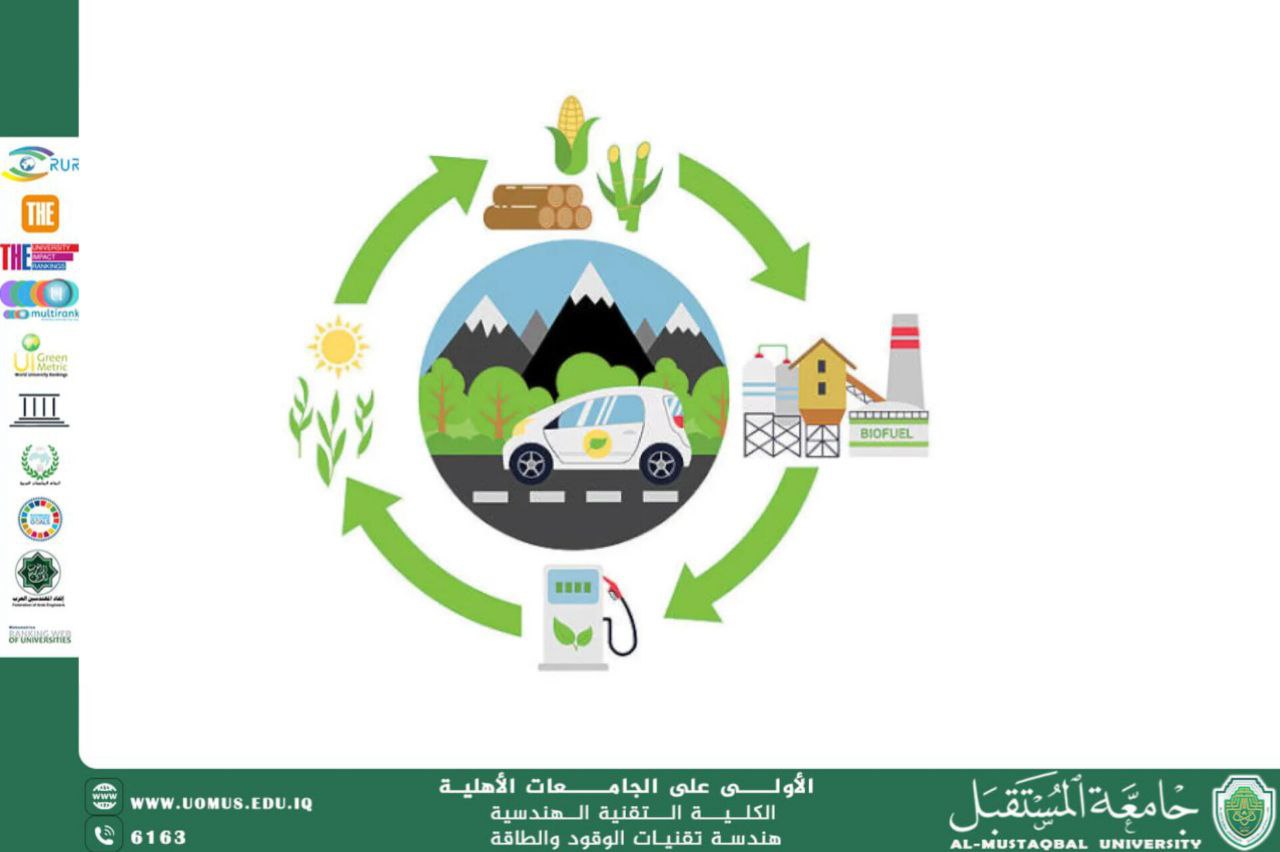
The fuel sector represents one of the most strategic pillars underpinning global economic growth, industrial development, and energy security, as it directly influences transportation systems, power generation, manufacturing processes, and overall societal stability. Among the most critical topics in fuel and energy technologies is the continuous improvement of combustion efficiency and emission reduction, since optimizing fuel properties such as octane number in gasoline and cetane number in diesel significantly enhances engine performance while reducing specific fuel consumption and harmful exhaust emissions. Controlling sulfur content, aromatic compounds, and other impurities is equally essential to meet stringent international environmental standards and minimize air pollution. Advanced refining technologies—including catalytic reforming, fluid catalytic cracking, and hydrocracking—play a vital role in maximizing the production of high-value light petroleum products and improving their quality to satisfy growing market demands. At the same time, the global transition toward cleaner and more sustainable fuels has become a central focus, with biofuels, biodiesel, bioethanol, synthetic fuels, and green hydrogen emerging as promising alternatives capable of lowering carbon intensity and mitigating climate change impacts. In parallel, carbon capture and storage (CCS) technologies are increasingly integrated into refineries and power plants to reduce greenhouse gas emissions associated with fossil fuel utilization. Furthermore, understanding the physical and chemical properties of fuels—such as viscosity, flash point, pour point, and smoke point—is crucial for ensuring operational safety, storage stability, transportation efficiency, and optimal combustion behavior in industrial applications. The rapid advancement of digitalization and artificial intelligence has also transformed the fuel industry by enabling predictive maintenance, real-time process optimization, reservoir modeling, and intelligent supply chain management, thereby enhancing reliability and reducing operational costs. Consequently, the future of the fuel sector lies in achieving a balanced integration between improving conventional petroleum technologies and accelerating innovation in renewable and low-carbon energy solutions, ensuring sustainable development, environmental responsibility, and long-term energy resilience in an era of dynamic global transformation.