A scientific article titled "Artificial Intelligence and Robotics: Towards Autonomous Decision-Making Systems" by researcher M.M. Samar Hussein Hilal
Artificial Intelligence and Robotics: Toward Autonomous Decision-Making Systems
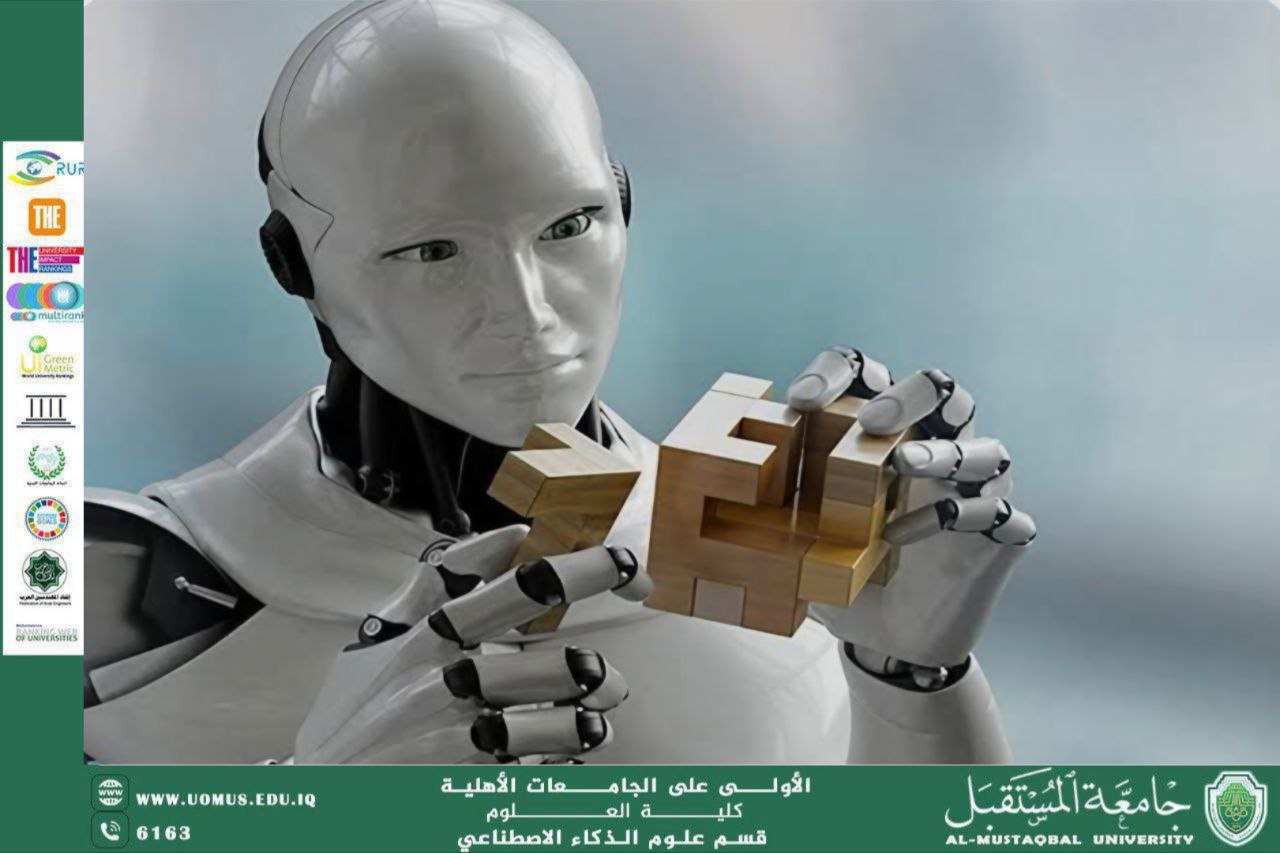
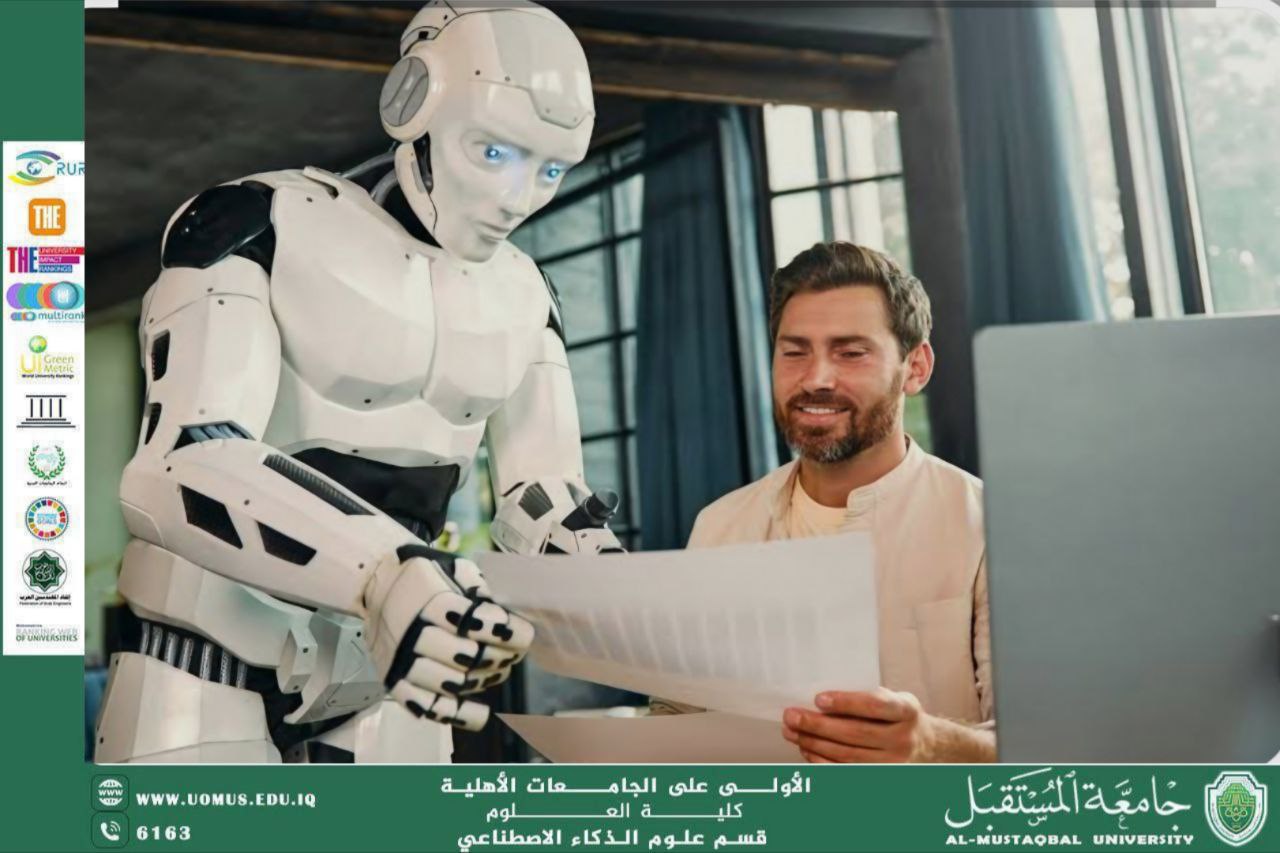
The field of robotics has advanced rapidly due to significant progress in artificial intelligence technologies. Integrating AI with robotics enables the development of systems capable of autonomous decision-making without direct human intervention. These systems rely on perception, planning, and learning mechanisms that allow robots to interact intelligently with dynamic environments. Machine learning algorithms, computer vision, and natural language processing form the core foundation of such intelligent robotic systems.
Deep learning and reinforcement learning techniques enhance robots’ ability to process sensory data and make real-time decisions. For instance, autonomous vehicles utilize advanced perception systems to analyze data from cameras and sensors, determine optimal routes, and make immediate safety decisions. Similarly, industrial robots employ AI techniques to improve production accuracy and reduce human error.
A notable example includes robots developed by Boston Dynamics, which demonstrate advanced mobility and balance in complex environments. AI-powered robots are also widely applied in healthcare for precise surgical procedures and in service sectors for logistical and assistive tasks.
The movement toward autonomous decision-making systems opens broad opportunities across industries, transportation, healthcare, and space exploration. However, it also raises challenges related to safety, accountability, and ethics, particularly when autonomous systems make decisions that directly impact human lives. Therefore, ongoing research focuses on enhancing reliability and establishing regulatory frameworks to ensure safe and responsible deployment. The integration of artificial intelligence and robotics thus represents a pivotal step toward intelligent, self-governing systems capable of operating effectively in complex and dynamic settings.