Optimizing Heat Management and Thermal Energy Transfer for Efficiency and Sustainability in Industrial Processes
Prepared by Engineer Tabarak Mohsin Ashour
Heat management and thermal energy transfer play a critical role in ensuring operational efficiency and sustainability in modern industrial processes, directly impacting production performance, energy consumption, product quality, and the safety of industrial facilities. These processes rely on a deep understanding of the mechanisms of heat transfer—including conduction, convection, and radiation—and on the precise design of heat exchange systems to meet heating, cooling, and temperature control requirements within strict operational ranges, ensuring stable performance throughout extended production cycles.
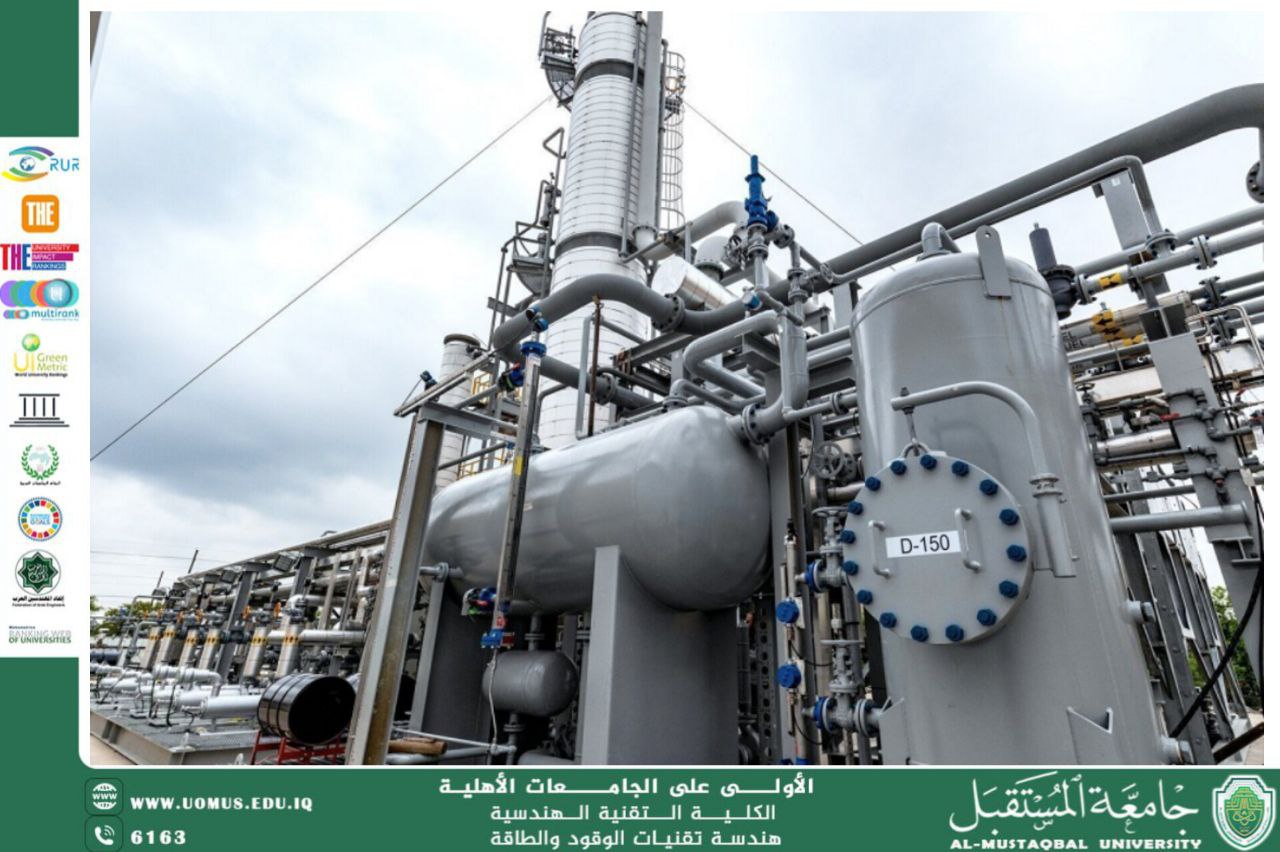
Advances in the design of heat exchangers, such as compact heat exchangers, finned surfaces, and corrugated plate systems, have significantly improved heat transfer efficiency, reduced energy losses, and allowed for the reuse of thermal energy in secondary processes. This leads to optimal energy utilization and substantial reductions in operational costs. Modern strategies also incorporate digital control systems and real-time monitoring through advanced sensors, allowing precise adjustment of temperatures, early detection of unexpected variations that could compromise equipment or product quality, and prevention of thermal failures that could halt production or damage raw materials.
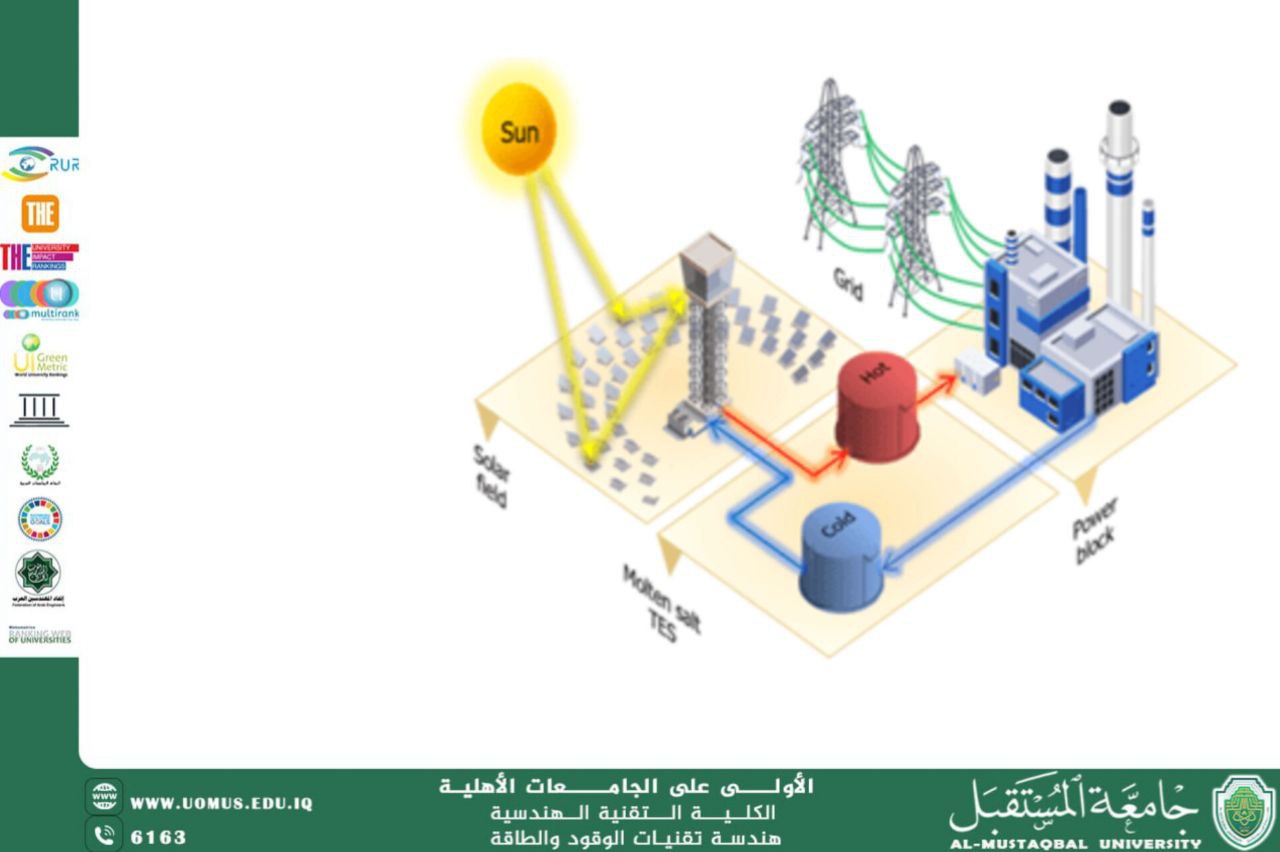
Computational simulations and thermal modeling have become essential tools for improving the design of heat transfer systems, enabling engineers to test various operational scenarios and analyze the effects of thermal and mechanical factors before implementation. This approach minimizes operational risks and reduces both downtime and capital expenditures. Additionally, integrating thermal storage systems and high-capacity thermal materials can enhance system performance during peak loads while maintaining optimal thermal balance across production units.
Improved heat management also significantly contributes to environmental sustainability by reducing the consumption of fossil fuels, lowering carbon emissions associated with industrial heating and cooling, and enabling the recovery and reuse of waste heat in multiple processes. These practices align with global sustainability goals while achieving economic and operational efficiency simultaneously. Heat transfer optimization is now fundamental in various industrial sectors, including petrochemicals, advanced materials manufacturing, food processing, and pharmaceuticals, where precise thermal control is essential for product quality, safety, and operational reliability.
Furthermore, the integration of artificial intelligence and data analytics into heat monitoring and management has elevated industrial performance by predicting future thermal demands, automatically adjusting systems in response to dynamic changes, and optimizing energy usage through real-time operational responses. These technologies also allow for the integration of renewable energy sources, such as solar thermal energy or industrial waste heat recovery, providing additional sustainable and efficient thermal inputs, thereby enhancing resource utilization and reducing environmental footprints.
As industrial operations expand and demand for high-quality production grows, innovation in heat management and thermal energy transfer has become indispensable for ensuring continuous operations, maximizing efficiency, and supporting both economic and environmental sustainability. This field represents a vital intersection of precise scientific knowledge and practical industrial application, offering innovative solutions to operational and environmental challenges, and enabling sustainable, safe, and efficient production that meets present needs without compromising the ability of future generations to satisfy their own energy and resource requirements.