Industrial Water Treatment Technologies and Chemical Pollutant Removal for Enhanced Sustainability
Prepared by Engineer Tabarak Mohsin Ashour
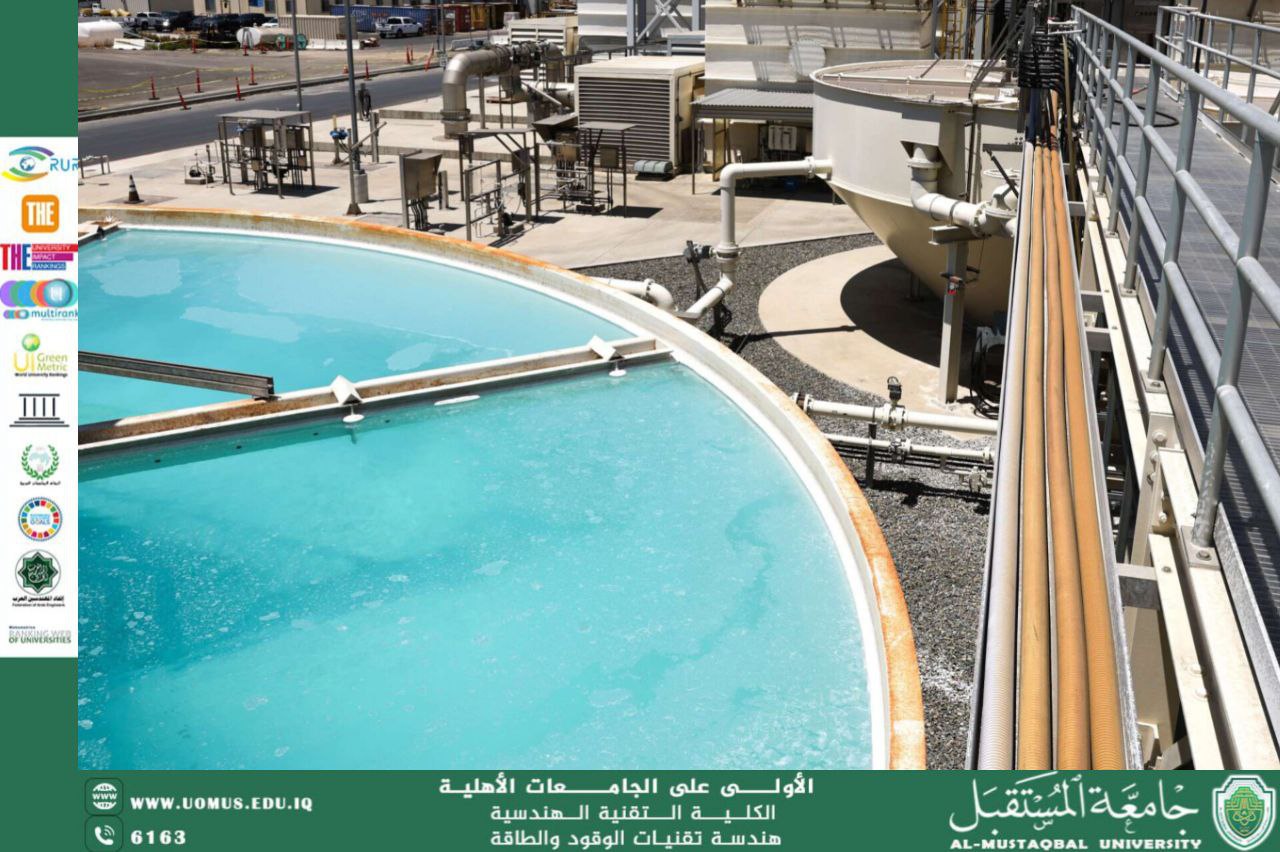
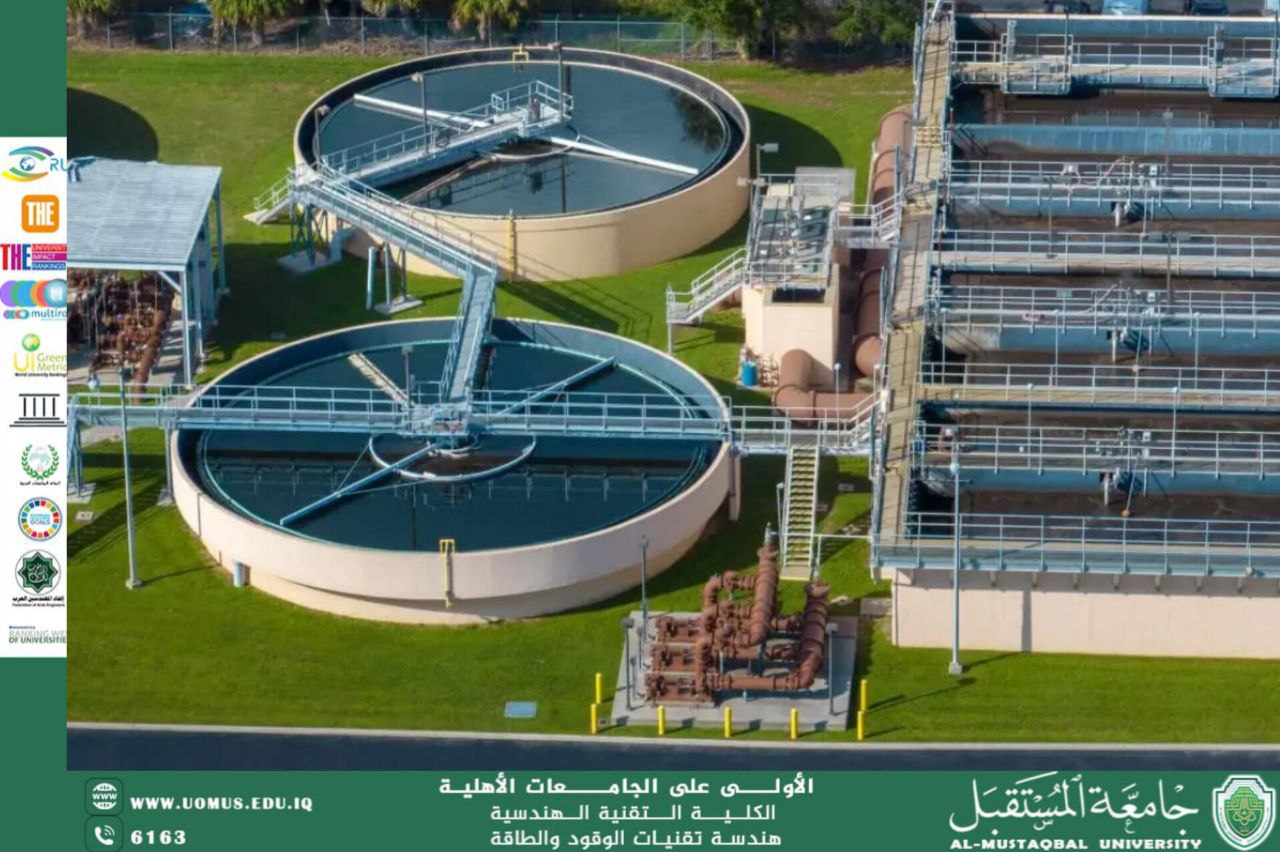
Industrial water treatment technologies play a critical role in ensuring environmental sustainability and operational efficiency across a wide range of industries, as modern manufacturing processes rely on clean water to maintain product quality and protect equipment integrity. These technologies encompass a comprehensive set of physical, chemical, and biological processes designed to remove suspended solids, dissolved substances, organic pollutants, and heavy metals from industrial wastewater, while simultaneously preserving water resources and minimizing the environmental impact of industrial activities.
Modern strategies utilize advanced filtration, ion exchange, chemical coagulation, desalination, and membrane separation processes, enabling highly efficient pollutant removal while reducing energy and chemical consumption. These methods also facilitate water recycling for reuse in various production operations, thereby enhancing overall resource efficiency. Computational modeling and predictive water quality simulations have become essential tools for designing integrated treatment systems capable of adapting to variable pollutant loads and water compositions, ensuring continuous operation and preventing system failures caused by sediment accumulation or sudden chemical fluctuations.
Intelligent monitoring and real-time data analysis further enhance treatment efficiency by continuously tracking pollutant concentrations, pH levels, temperature, and flow rates, with the capability to automatically adjust processes based on dynamic changes in influent water quality. These advancements contribute to reduced energy consumption, minimized chemical waste, and improved environmental sustainability, aligning with global resource management standards and Sustainable Development Goals.
Moreover, the development of advanced adsorbent and reactive materials, including nanomaterials and high-surface-area ion exchange media, significantly improves the capacity of treatment systems to remove both organic and inorganic contaminants, ensuring consistently high water quality. Integrating industrial water treatment with energy management and thermal recycling systems allows for optimized use of resources, further reducing the environmental footprint of manufacturing facilities.
As industrial production scales continue to grow and the demand for high-purity water increases, innovation in water treatment technologies and chemical pollutant removal has become essential for ensuring sustainable industrial operations. These advancements strike a balance between high productivity and environmental protection, while maintaining safety and public health standards. This field represents a key area of modern engineering development, combining precise scientific knowledge, advanced technological applications, and sustainable solutions, forming a cornerstone of safe, efficient, and environmentally responsible industrial practice.