A scientific article titled "Algorithms and Emotional Influence: A Study in the Ethical Dimension of Artificial Intelligence" by researcher Banin Nazem Sarhan.
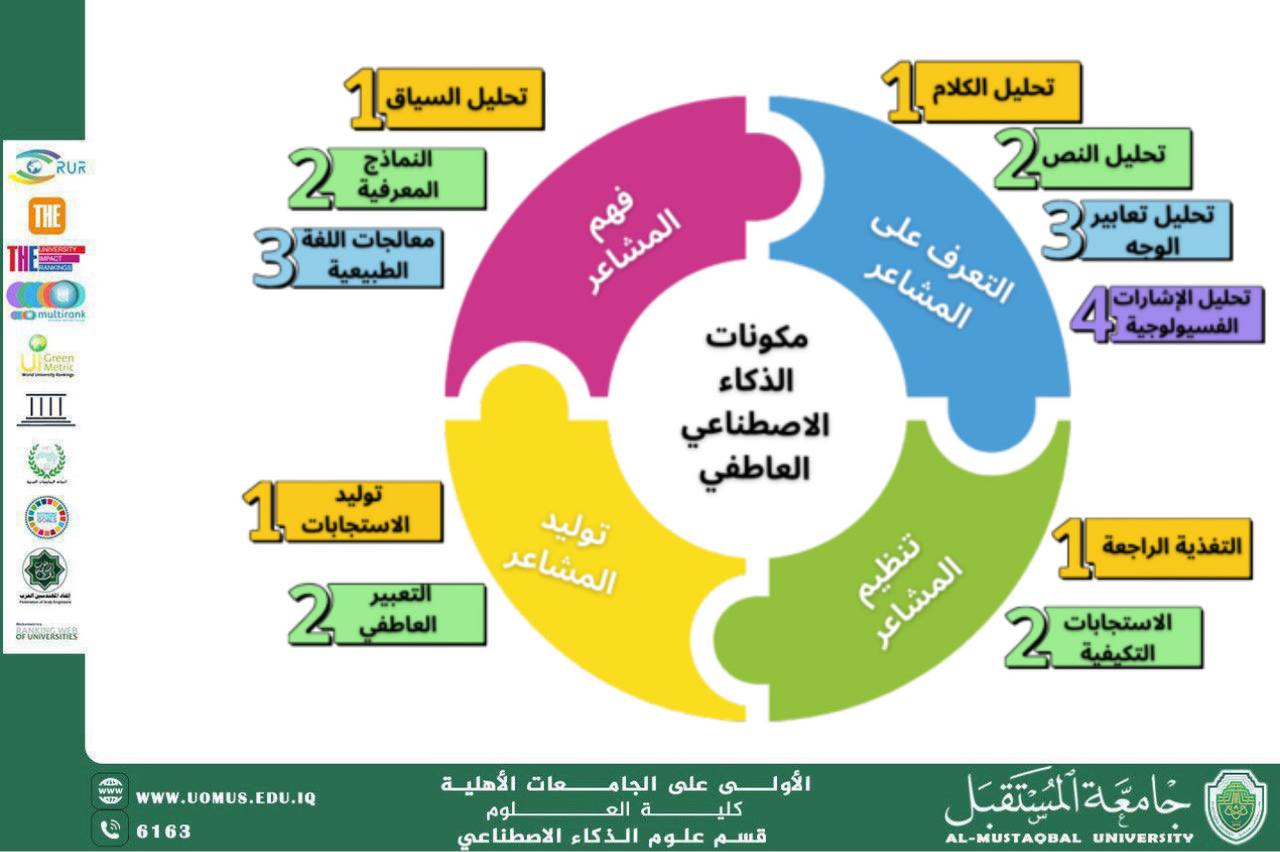
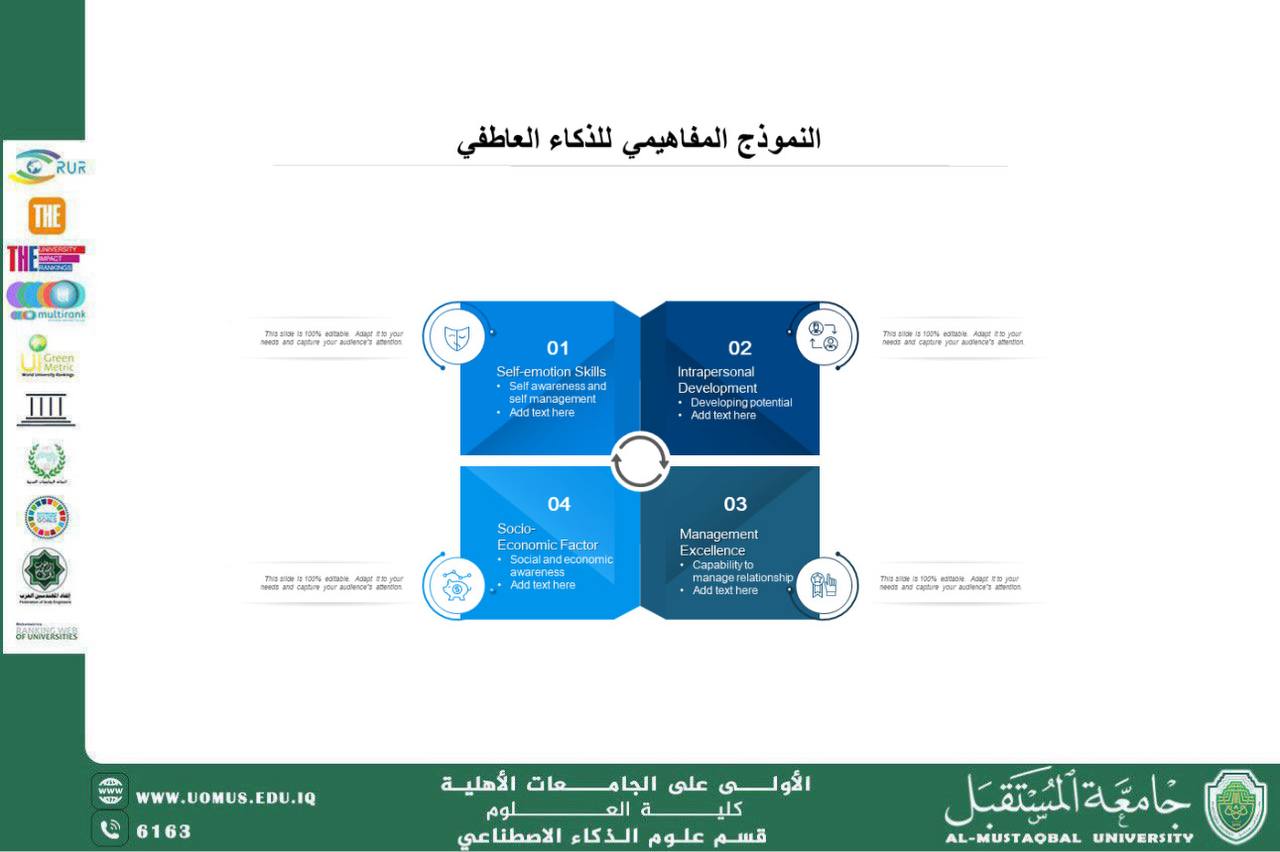
Algorithms are a fundamental part of modern artificial intelligence systems, determining how data is processed and decisions are made automatically. However, the use of these algorithms in analyzing individuals’ emotional influence raises many complex ethical issues. Emotional impact analysis relies on collecting data about individuals’ behavior, such as interactions on social media, text messages, or purchasing behavior, and then analyzing it using machine learning techniques to identify emotions and their effect on personal and social decisions. With the increasing use of these systems in targeted advertising, educational applications, or digital games, questions arise regarding the respect for individual privacy and the transparency of algorithmic decisions. Intelligent algorithms can predict user behavior and influence choices, including economic, health, or even political decisions, making it essential to establish ethical safeguards. Emotional impact analysis opens opportunities for AI to enhance services or support mental health, but misuse can manipulate emotions or exploit personal data for commercial or political purposes. Research in this field aims to understand how algorithms can be designed to respect individual rights, ensure transparency, accountability, and fairness in data processing. Emphasis is also placed on developing legal and ethical frameworks that ensure the emotional impact of algorithms does not harm users and enhances public trust in AI applications. Technically, deep neural networks, sentiment analysis, and reinforcement learning techniques are used to develop algorithms capable of accurately recognizing emotional patterns, while integrating human oversight to ensure responsible use. Combining technical and ethical dimensions remains an ongoing challenge for researchers and developers, requiring collaboration between computer scientists, ethicists, and psychologists to achieve optimal outcomes. Overall, studying the ethical dimension of emotional algorithms represents a crucial step toward understanding how AI can be integrated into human life responsibly, preserving values of respect, privacy, and fairness, thereby balancing innovation with social impact.