.Harnessing Big Data and Artificial Intelligence in Personalizing Medical Treatments and Improving Patient Outcomes (Programmer Huda Khudair Hani)
The healthcare sector is witnessing a fundamental transformation driven by the rapid advancement of big data analytics and artificial intelligence technologies. It has become possible to move from traditional treatment models based on generalized protocols to personalized therapeutic approaches that consider the individual characteristics of each patient. The use of big data in treatment personalization represents one of the most prominent features of modern medicine, as vast amounts of clinical, genetic, demographic, and behavioral data are analyzed to extract precise patterns that support more accurate and effective medical decision-making.
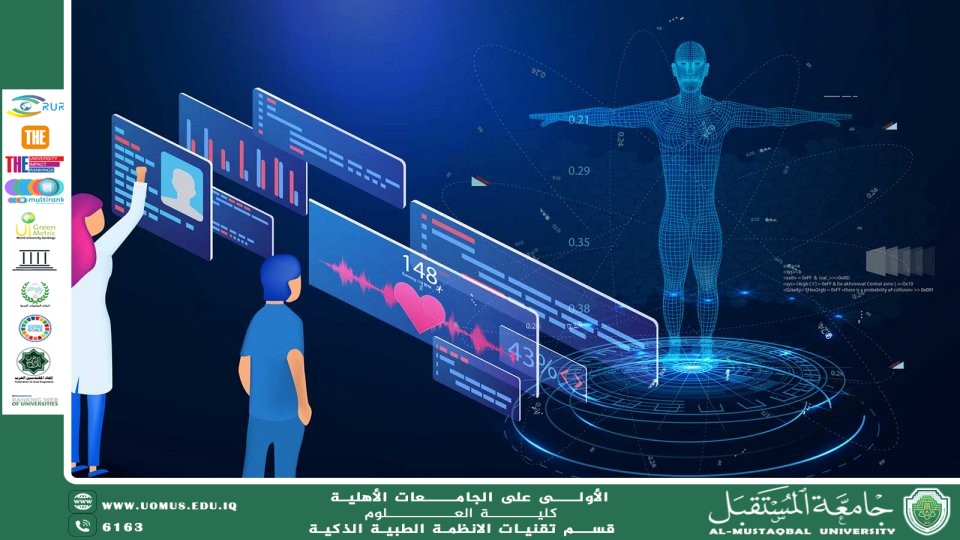
In the medical field, big data relies on diverse sources, including electronic health records, laboratory results, medical imaging, wearable device data, genetic information, medical history, environmental factors, and lifestyle patterns. Integrating these sources into advanced analytical platforms enables researchers and physicians to better understand biological variability among individuals and determine the most suitable treatment for each case rather than applying a one-size-fits-all approach. This shift supports the concept of “precision medicine,” which aims to design therapeutic interventions based on each patient’s genetic and molecular characteristics.
Big data analytics contributes to identifying complex associations between health variables that may be difficult to detect using traditional statistical methods. For instance, predictive analytical models can identify patients who are more likely to respond to a specific medication based on particular biomarkers or genetic mutations. These analyses also enable the prediction of potential complications before they occur, allowing physicians to implement early preventive measures that reduce risks and improve the quality of care.
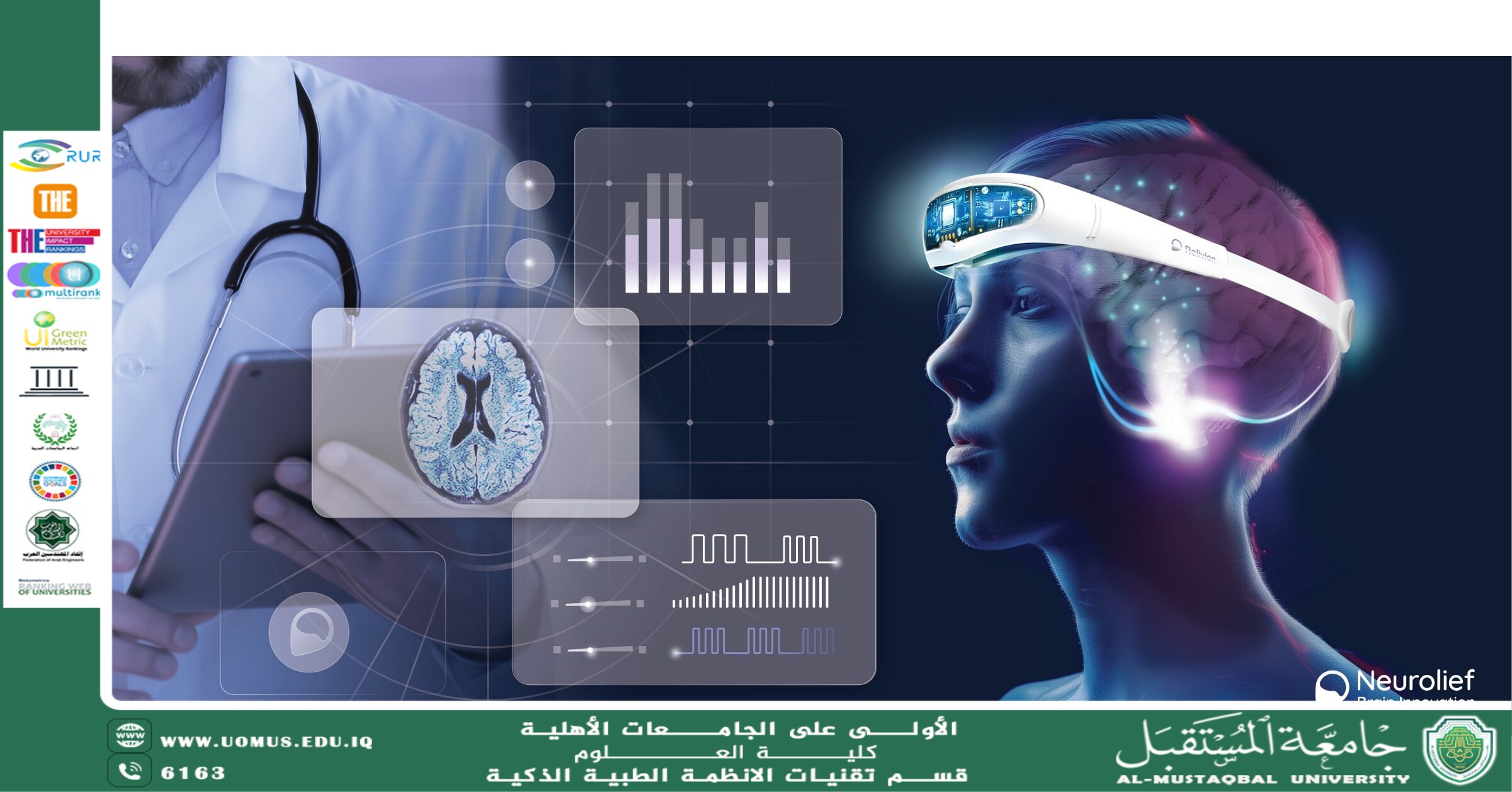
Artificial intelligence applications, particularly machine learning and deep learning techniques, play a central role in extracting knowledge from complex personal data. Algorithms are trained on large datasets to recognize subtle patterns in patients’ responses to treatment, thereby generating evidence-based therapeutic recommendations. In oncology, for example, genetic analysis of tumors can help identify targeted therapies aimed at specific mutations, increasing treatment effectiveness while reducing side effects associated with non-targeted therapies.
Furthermore, artificial intelligence technologies support continuous monitoring of treatment response by analyzing data from medical devices and sensors. This allows for dynamic adjustments to treatment plans according to changes in the patient’s health condition. Such an adaptive approach enhances the likelihood of achieving better clinical outcomes while reducing hospital stays and the costs associated with complications.
Despite its significant advantages, the use of big data in personalizing treatment raises challenges related to privacy protection, data security, quality assurance, and system integration. Therefore, clear regulatory frameworks and advanced technical infrastructures are essential to ensure the safe and ethical use of data, along with transparency in algorithm development and clinical validation processes.
In conclusion, big data analytics supported by artificial intelligence constitutes a fundamental pillar in building a precision medicine-based healthcare system, where treatment decisions shift from being based on statistical averages to being tailored to each individual’s biological uniqueness. This transformation not only enhances treatment effectiveness but also opens new horizons toward more precise, humane, and sustainable healthcare delivery.
Al-Mustaqbal University is the first one university in Iraq.