A scientific article entitled Artificial Intelligence in the Diagnosis of Rare Diseases: Higher Accuracy and Longer Life Researcher: Benin Nazem Sarhan
Diagnosing rare diseases represents a complex medical challenge due to their diversity and overlapping symptoms.
Patients often spend years seeking an accurate diagnosis.
This prolonged process is commonly referred to as the “diagnostic odyssey.”
With the advancement of Artificial Intelligence, this journey can be significantly shortened.
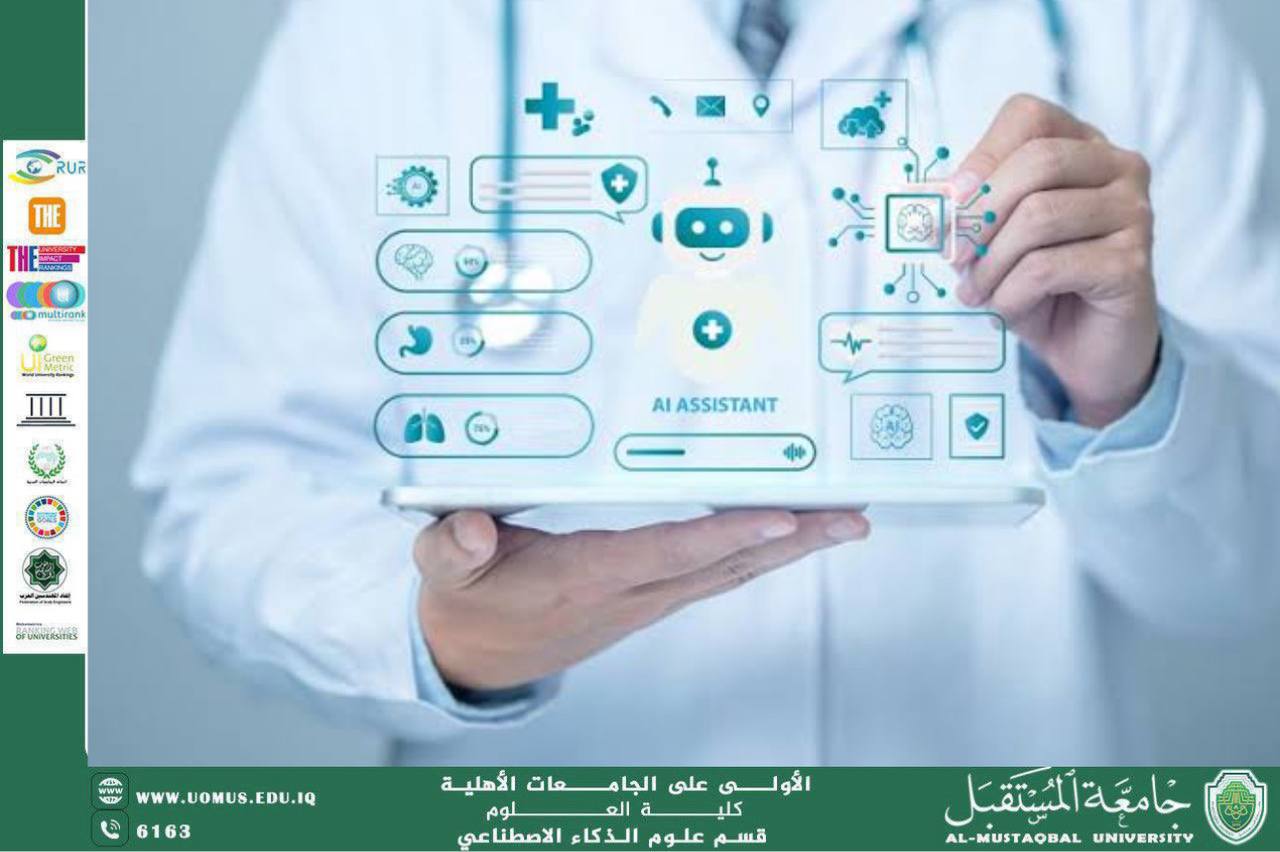
AI systems rely on deep learning algorithms to analyze medical images with high precision.
They also process genomic data to identify mutations linked to rare conditions.
These systems compare a patient’s profile with thousands of documented cases within seconds.
This enables evidence-based diagnostic suggestions.
Initiatives such as Google Health have advanced radiological image interpretation.
Similarly, platforms like IBM Watson Health support clinical decision-making through data analytics.
Integrating clinical and genomic information marks a major breakthrough in modern medicine.
Diagnosis is no longer limited to visible symptoms.
Instead, it is based on multidimensional data analysis.
This approach enhances accuracy and reduces medical errors.
It also enables early detection of potential complications.
Consequently, treatment outcomes improve and life expectancy increases.
AI also reduces the economic burden of misdiagnosis.
It minimizes unnecessary testing and redundant procedures.
However, technological progress raises ethical concerns.
Protecting sensitive medical data remains essential.
Genetic information must be securely handled.
Algorithmic bias may occur if training datasets lack diversity.
Therefore, strong regulatory frameworks are required.
Transparency in algorithmic decision-making is equally important.
Healthcare professionals must understand AI outputs.
Human expertise and machine intelligence should complement each other.
The future of medicine is moving toward precision healthcare.
Treatments are increasingly tailored to individual genetic profiles.
Artificial Intelligence is central to this transformation.
It not only saves time but redefines healthcare delivery.
Ultimately, it offers the promise of longer and healthier lives.