
The Role of Vaccines in the Prevention of Infectious Diseases Prepared by: Asst. Lecturer Zainab Ali Mohsen Al-Khafaji
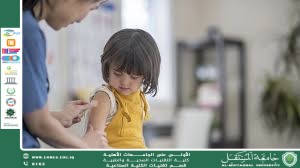
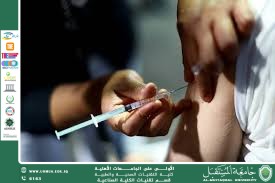
Vaccination is one of the most effective public health interventions for preventing infectious diseases and reducing morbidity and mortality worldwide. Vaccines work by stimulating the immune system to recognize and combat specific pathogens without causing the disease itself.
Through widespread immunization programs, diseases such as smallpox have been eradicated, while others like polio and measles have been significantly reduced. Vaccination not only protects individuals but also contributes to herd immunity, which protects vulnerable populations such as infants, elderly individuals, and immunocompromised patients.
Despite proven effectiveness, vaccine hesitancy remains a challenge in many communities. Misinformation, lack of awareness, and cultural beliefs can reduce vaccination coverage, increasing the risk of disease outbreaks.
Strengthening public education, improving access to vaccines, and maintaining trust in healthcare systems are essential to maximizing the benefits of immunization programs and protecting global health.
References:
World Health Organization. (2022).
Centers for Disease Control and Prevention. (2023).
Al-Mustaqbal University the first in Iraq