The Use of Artificial Intelligence in the Medical Field
In recent years, the world has witnessed tremendous development in artificial intelligence technologies, leading to their application in various aspects of life. The medical field is considered one of the most prominent sectors benefiting from these modern technologies. Artificial intelligence has become an important tool that contributes to improving the accuracy of medical diagnosis, accelerating medical decision-making, reducing human errors, and enhancing the quality of healthcare services provided to patients.
The Concept of Artificial Intelligence
Artificial intelligence is a branch of computer science that aims to develop systems and programs capable of simulating human abilities such as learning, analysis, decision-making, and problem-solving. Artificial intelligence relies on several modern technologies, including machine learning, deep learning, natural language processing, and big data analysis.
Applications of Artificial Intelligence in Medicine
First: Medical Diagnosis
Artificial intelligence contributes to analyzing medical images such as X-rays, magnetic resonance imaging (MRI), and computed tomography (CT) scans, helping in the early detection of many diseases such as cancer, heart diseases, strokes, and respiratory diseases, where its accuracy may sometimes surpass traditional human diagnosis.
Second: Disease Prediction
Smart systems can analyze patients’ health records to predict the likelihood of developing certain future diseases such as diabetes, high blood pressure, and heart diseases, contributing to early prevention and reducing possible complications.
Third: Supporting Medical Decision-Making
Artificial intelligence assists doctors in selecting the most appropriate treatment plans by analyzing large volumes of medical data from previous patients, thereby improving the accuracy of therapeutic decisions.
Fourth: Surgical Robots
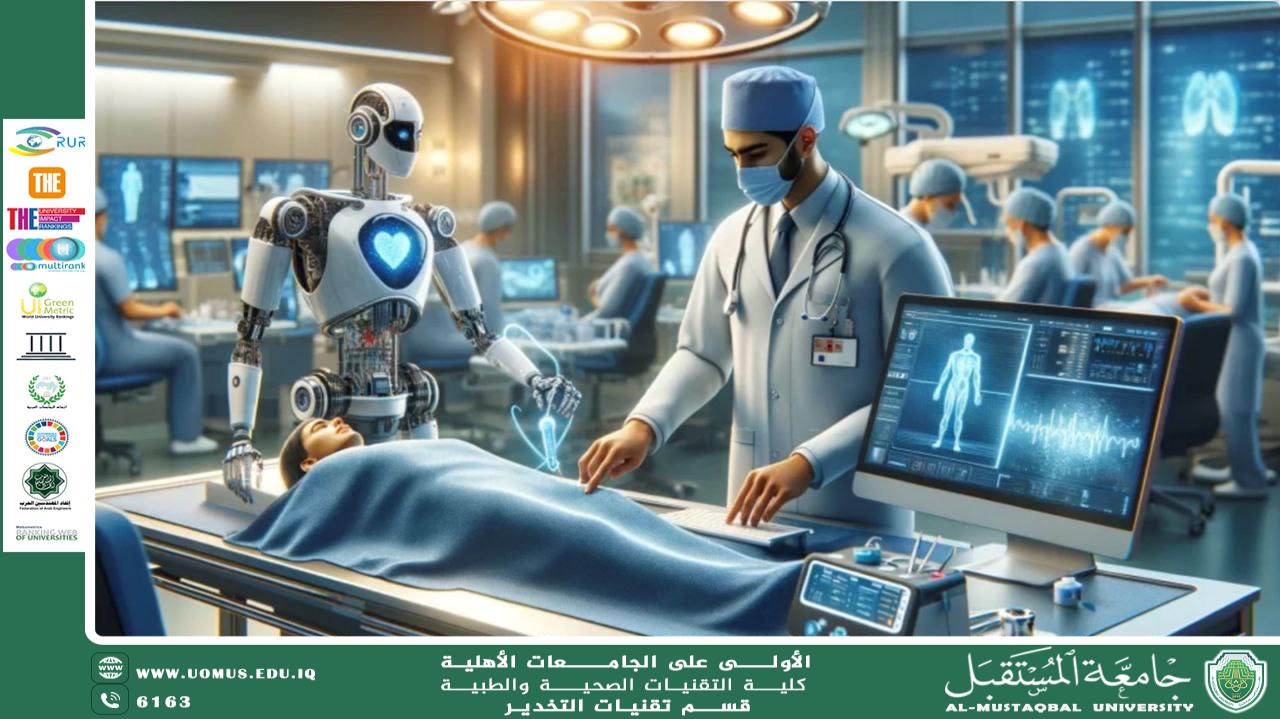
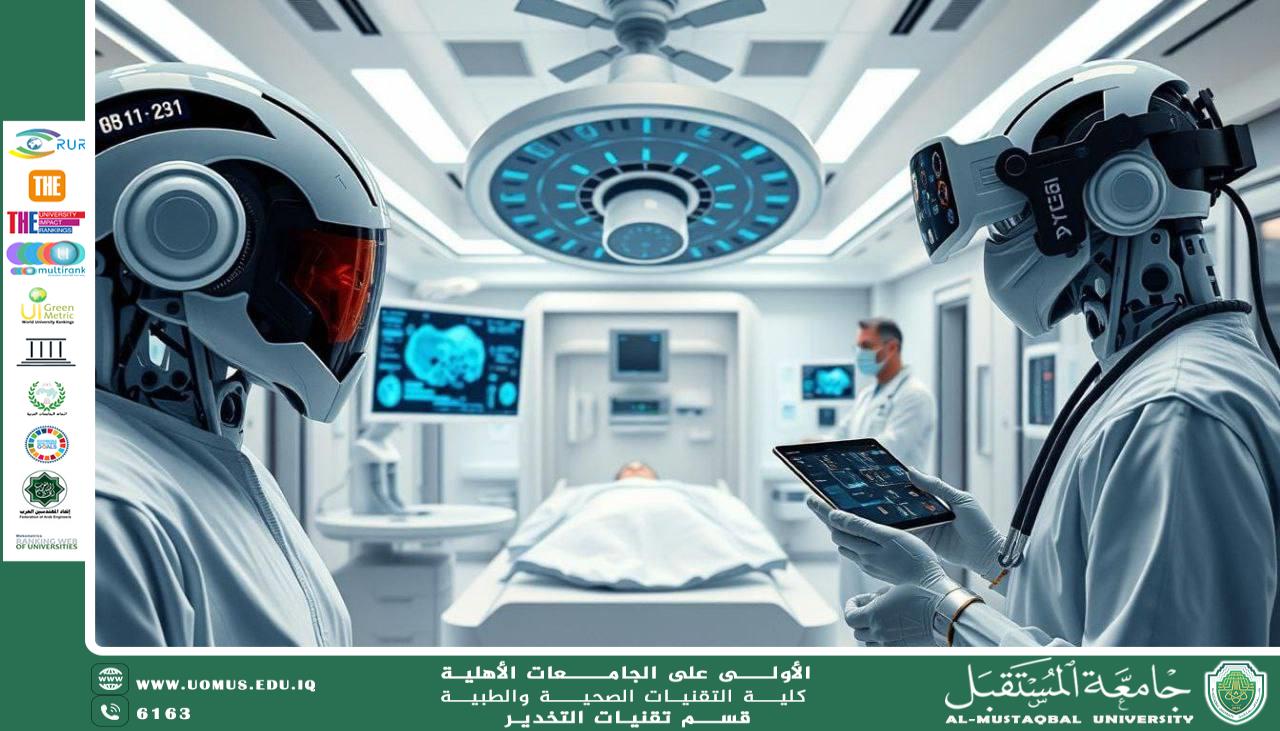
AI-powered robots are used to perform precise surgical operations, helping reduce surgical errors, shorten operation time, minimize bleeding, and accelerate postoperative recovery.
Fifth: Hospital Management
Artificial intelligence improves healthcare institution management by organizing patient appointments, managing medical beds, reducing waiting times, and increasing the efficiency of internal medical staff.
Sixth: Drug Discovery
Artificial intelligence helps analyze millions of chemical compounds and medical data to develop new drugs faster and at lower costs compared to traditional pharmaceutical research methods.
Benefits of Using Artificial Intelligence in Medicine
• Increasing medical diagnosis accuracy.
• Reducing human medical errors.
• Accelerating the provision of treatment services.
• Improving healthcare quality.
• Reducing healthcare operational costs.
• Supporting physicians in making appropriate treatment decisions.
Challenges and Risks
Despite the significant advantages of artificial intelligence in the medical field, several challenges still exist, such as protecting patient data privacy, the need for advanced technological infrastructure, and the risk of over-reliance on intelligent systems, in addition to possible errors resulting from programming or data quality issues.
The Expected Future of Artificial Intelligence in Medicine
Artificial intelligence is expected to become a fundamental component of future healthcare systems, contributing to the development of personalized medicine, enhancing early disease detection, improving treatment outcomes, and building integrated smart healthcare systems.
Conclusion
Artificial intelligence represents a qualitative transformation in the medical field due to its great potential in improving the quality of healthcare services and saving patients’ lives. With the continuous technological development, the role of artificial intelligence will become more important, requiring its ethical and safe use to serve humanity and enhance the future of healthcare.
Al-Mustaqbal University
The First University in Iraq