Scientific Article About Pancreatitis
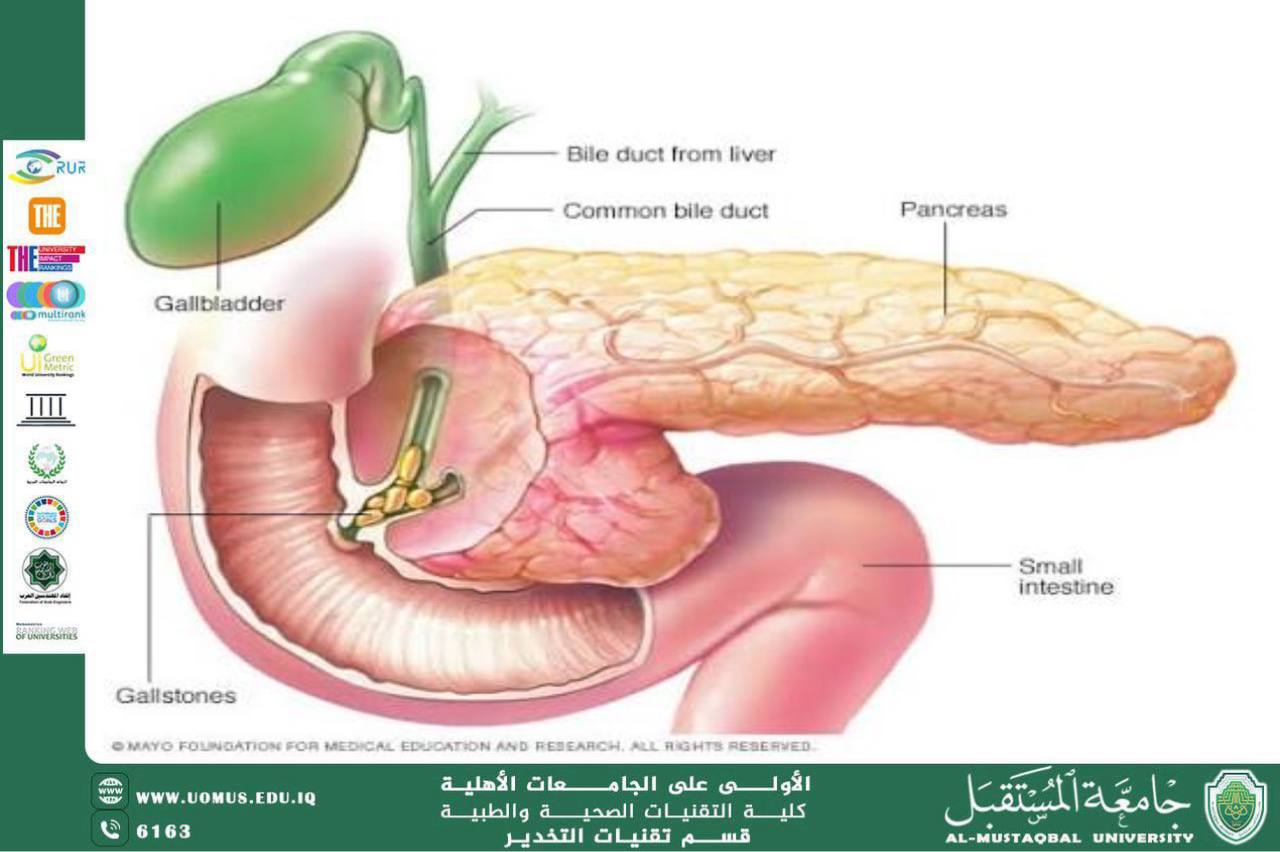
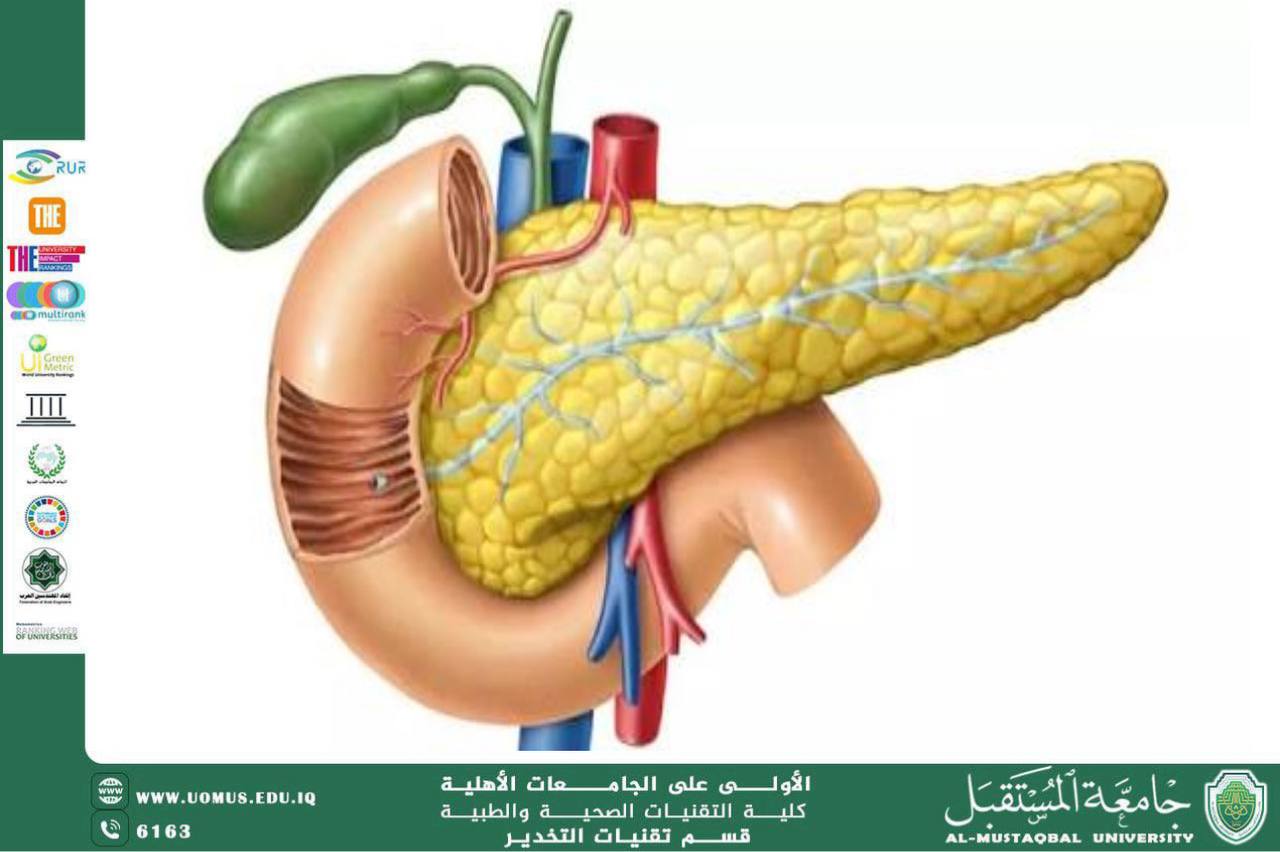
Pancreatitis is inflammation of the pancreas, a gland located behind the stomach. The pancreas has two major functions:
• Producing digestive enzymes
• Secreting hormones such as insulin and glucagon to regulate blood glucose levels
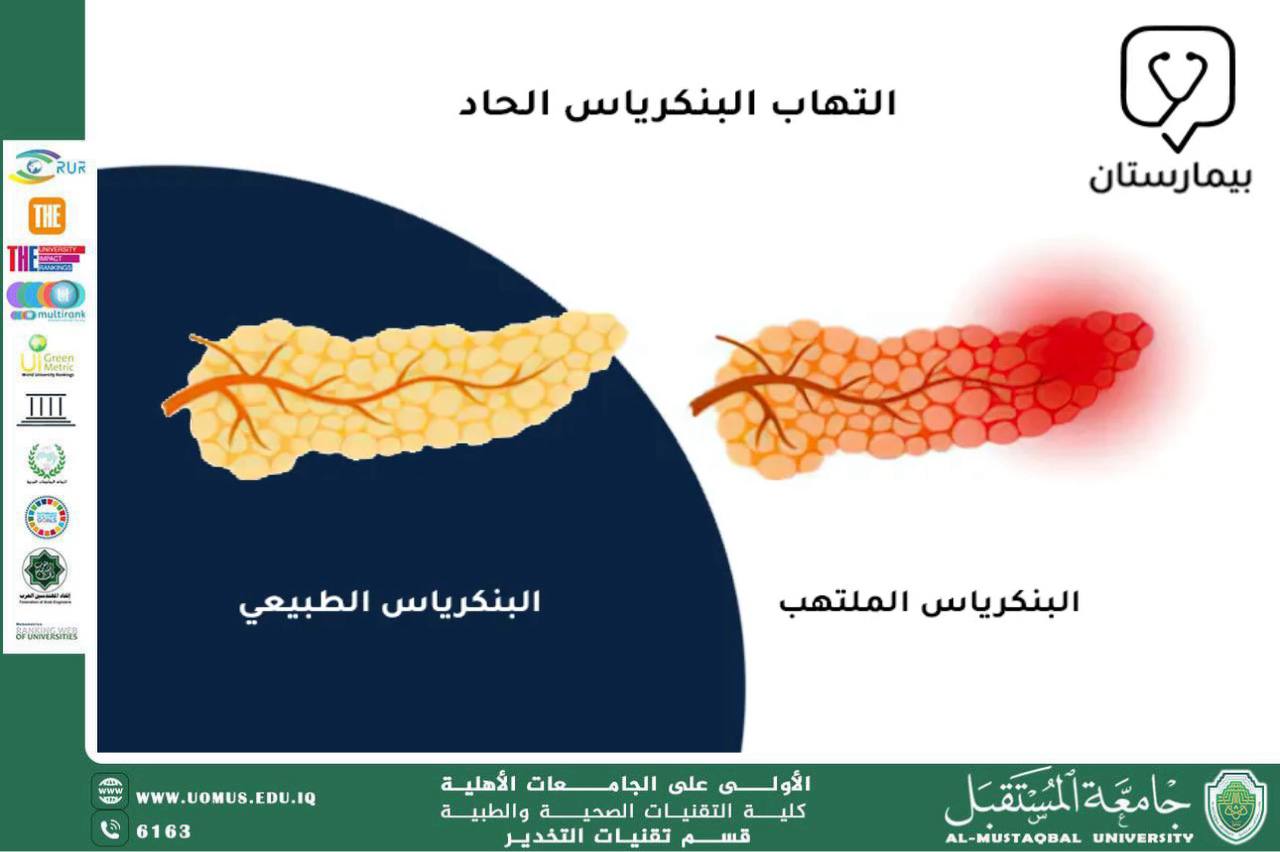
Inflammation occurs when digestive enzymes become prematurely activated within the pancreas, leading to tissue damage. The condition can be acute or chronic.
Causes
Most common causes:
• Gallstones
• Excessive alcohol consumption
Other causes:
• Hypertriglyceridemia
• Certain medications
• Viral infections
• Abdominal trauma
• Post-surgical complications
• Genetic disorders
Types
1-Acute Pancreatitis:
Sudden inflammation that may range from mild to life-threatening.
2-Chronic Pancreatitis:
Long-term inflammation causing irreversible pancreatic damage and loss of function.
Symptoms
• Severe upper abdominal pain radiating to the back
• Nausea and vomiting
• Abdominal distension
• Fever
• Tachycardia
Chronic cases may present with:
• Weight loss
• Steatorrhea (fatty stools)
• Diabetes mellitus
Risk Factors
• Alcohol abuse
• Gallstones
• Obesity
• High triglycerides
• Smoking
Complications
• Kidney failure
• Circulatory shock
• Internal bleeding
• Pancreatic pseudocysts
• Permanent diabetes
• Malabsorption
Diagnosis
• Elevated serum amylase and lipase
• CT scan (gold standard for severity assessment)
• Ultrasound
• Liver function and lipid profile tests
Treatment
Acute management:
• Fasting
• Aggressive IV fluids
• Pain control
• Treat underlying cause (e.g., gallstone removal)
Chronic management:
• Alcohol cessation
• Pancreatic enzyme replacement
• Blood glucose control
• Surgery if necessary
Prevention
• Avoid alcohol
• Maintain healthy weight
• Treat gallstones
• Control triglyceride levels
Rosa Nashat
Al-Mustaqbal University
The First University in Iraq.