
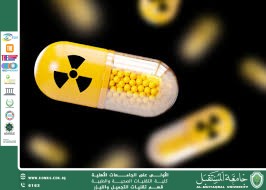
The Effects of Nuclear Radiation on Skin Health
Nuclear radiation is considered one of the most hazardous physical factors affecting human tissues. The skin is the first organ exposed to radiation, as it forms the body’s external protective barrier. Nuclear radiation includes alpha particles, beta particles, gamma rays, and X-rays, which may result from nuclear accidents or medical and industrial applications.
Effects of Radiation on the Skin
When the skin is exposed to high doses of radiation, direct cellular damage occurs due to DNA disruption, leading to impaired cell division and regeneration. Skin symptoms may appear progressively and include:
Redness and Inflammation (Radiation Dermatitis):
Caused by irritation of superficial skin cells, similar to sunburn in early stages.
Skin Peeling and Dryness:
Due to damage to the stratum corneum and reduced moisture retention.
Ulceration and Radiation Burns:
Occur with high radiation doses and may progress to tissue necrosis.
Pigmentation Changes:
Including hyperpigmentation or hypopigmentation resulting from melanocyte damage.
Increased Risk of Skin Cancer:
Chronic or high-dose exposure can cause genetic mutations leading to malignancies such as basal cell carcinoma and squamous cell carcinoma.
Biological Mechanisms
Ionizing radiation generates free radicals within cells, leading to oxidative stress that damages proteins, lipids, and nucleic acids. It also affects microvascular structures in the skin, reducing blood supply and delaying wound healing.
Prevention and Treatment
Preventive measures include minimizing radiation exposure, using protective clothing, and following safety regulations in medical and industrial settings. Treatment depends on severity and may involve moisturizing creams, anti-inflammatory medications, antibiotics in case of infection, and surgical intervention in severe cases.
Conclusion
Understanding the impact of nuclear radiation on skin health is essential to reduce risks and promote effective safety measures, especially in environments where radiation is used for medical or industrial purposes. Awareness and adherence to protective guidelines significantly reduce long-term health complications.
Al-Mustaqbal University – The First University in Iraq