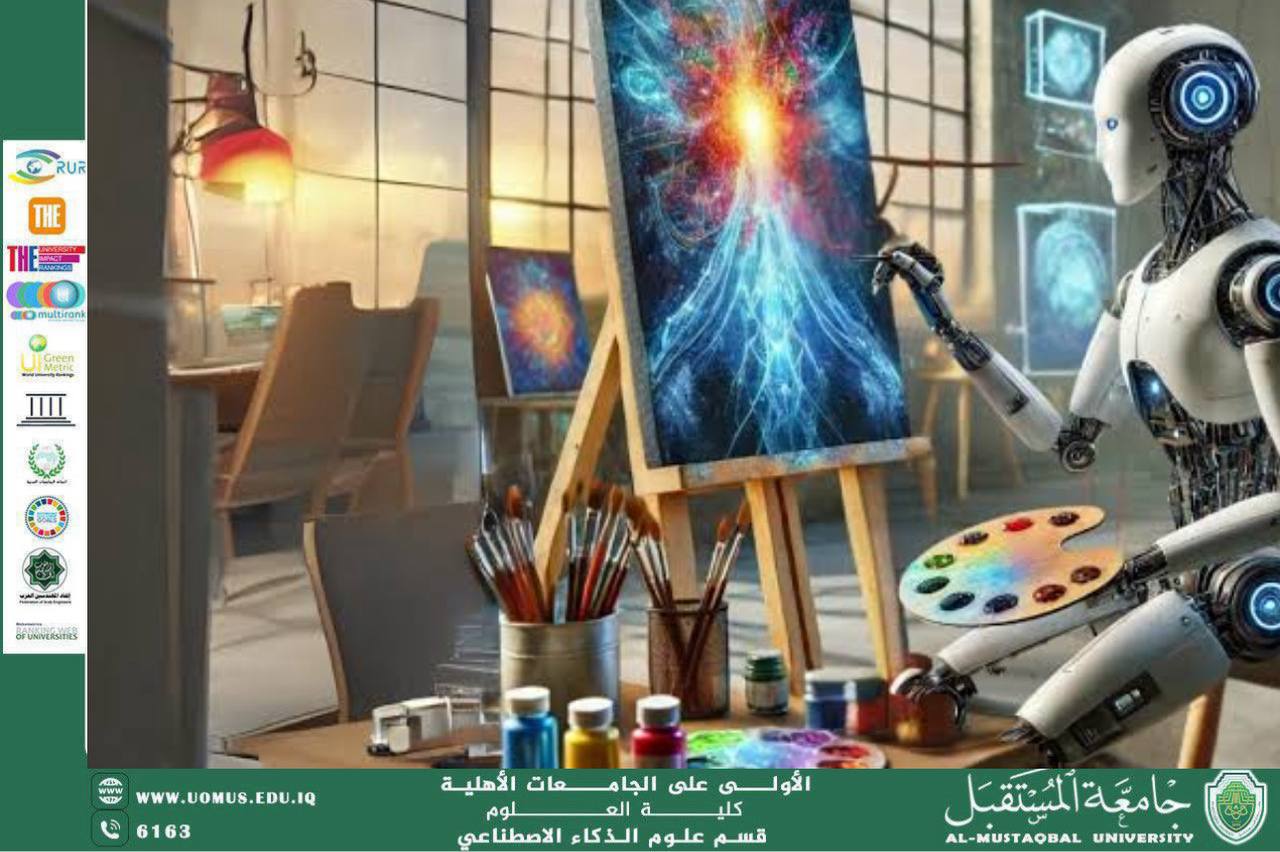
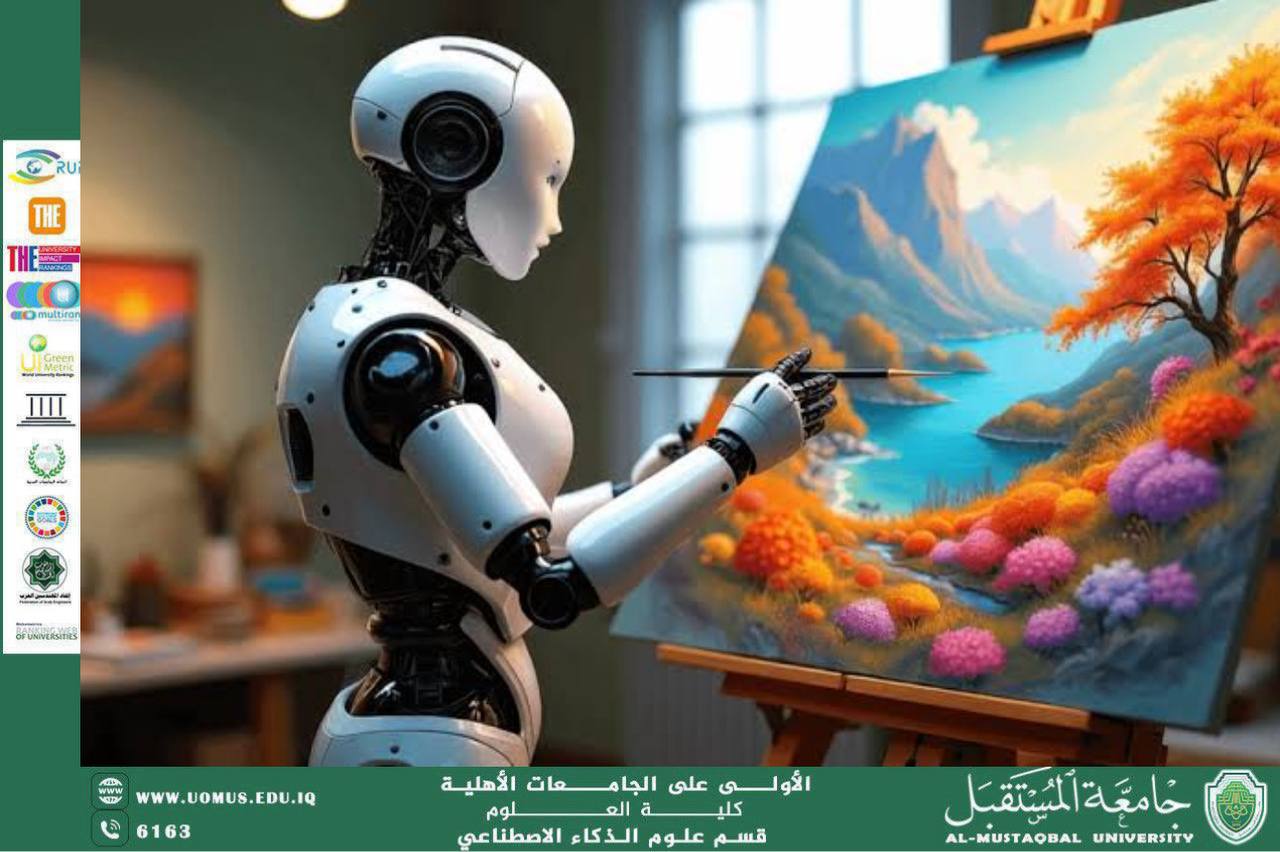
A scientific article titled "Artificial Intelligence in Creative Arts: Can a Machine Possess Aesthetic Taste?" Researcher: Banin Nazem Sarhan
Artificial Intelligence (AI) has become one of the most transformative technologies in modern healthcare, particularly in the field of medical diagnosis. By leveraging machine learning algorithms, deep learning models, and large-scale medical datasets, AI systems are now capable of assisting physicians in detecting diseases with remarkable accuracy and efficiency. This technological advancement is reshaping clinical decision-making processes and improving patient outcomes worldwide.
One of the most significant applications of AI in medical diagnosis is medical imaging analysis. Deep learning models, especially convolutional neural networks (CNNs), are widely used to interpret radiological images such as X-rays, CT scans, and MRIs. These systems can identify patterns associated with conditions like cancer, cardiovascular diseases, and neurological disorders. In many cases, AI models have demonstrated performance comparable to or even exceeding that of experienced radiologists in detecting specific abnormalities.
AI is also playing a critical role in early disease detection. Predictive analytics models can analyze electronic health records (EHRs), laboratory results, and patient history to identify risk factors and predict the likelihood of diseases such as diabetes, heart disease, and chronic kidney disorders. Early detection enables timely intervention, which significantly increases the chances of successful treatment and reduces healthcare costs.
Another important contribution of AI in diagnosis is its ability to process vast amounts of data in a short period. Unlike human clinicians, AI systems can simultaneously analyze thousands of medical cases, research articles, and clinical guidelines. This capability enhances evidence-based decision-making and supports physicians in selecting the most appropriate treatment strategies for individual patients.
Despite its advantages, the integration of AI into medical diagnosis presents several challenges. Data privacy and security remain major concerns, as medical data is highly sensitive. Additionally, biases in training datasets can lead to unequal diagnostic performance across different populations. Ensuring transparency and explainability of AI models is also essential to build trust among healthcare professionals and patients.
Ethical considerations further complicate the widespread adoption of AI in healthcare. Questions regarding accountability in case of diagnostic errors must be clearly addressed. Determining whether responsibility lies with the physician, the healthcare institution, or the AI developer requires well-defined regulatory frameworks.
In conclusion, Artificial Intelligence is revolutionizing medical diagnosis by enhancing accuracy, efficiency, and early detection capabilities. While challenges related to ethics, bias, and data security must be carefully managed, the future of AI in healthcare remains highly promising. With continuous research and responsible implementation, AI has the potential to significantly improve global health systems and patient care standards