A scientific article titled "Analyzing Consumer Behavior Using Artificial Intelligence Techniques During Ramadan," by researcher Banin Nazem Sarhan.
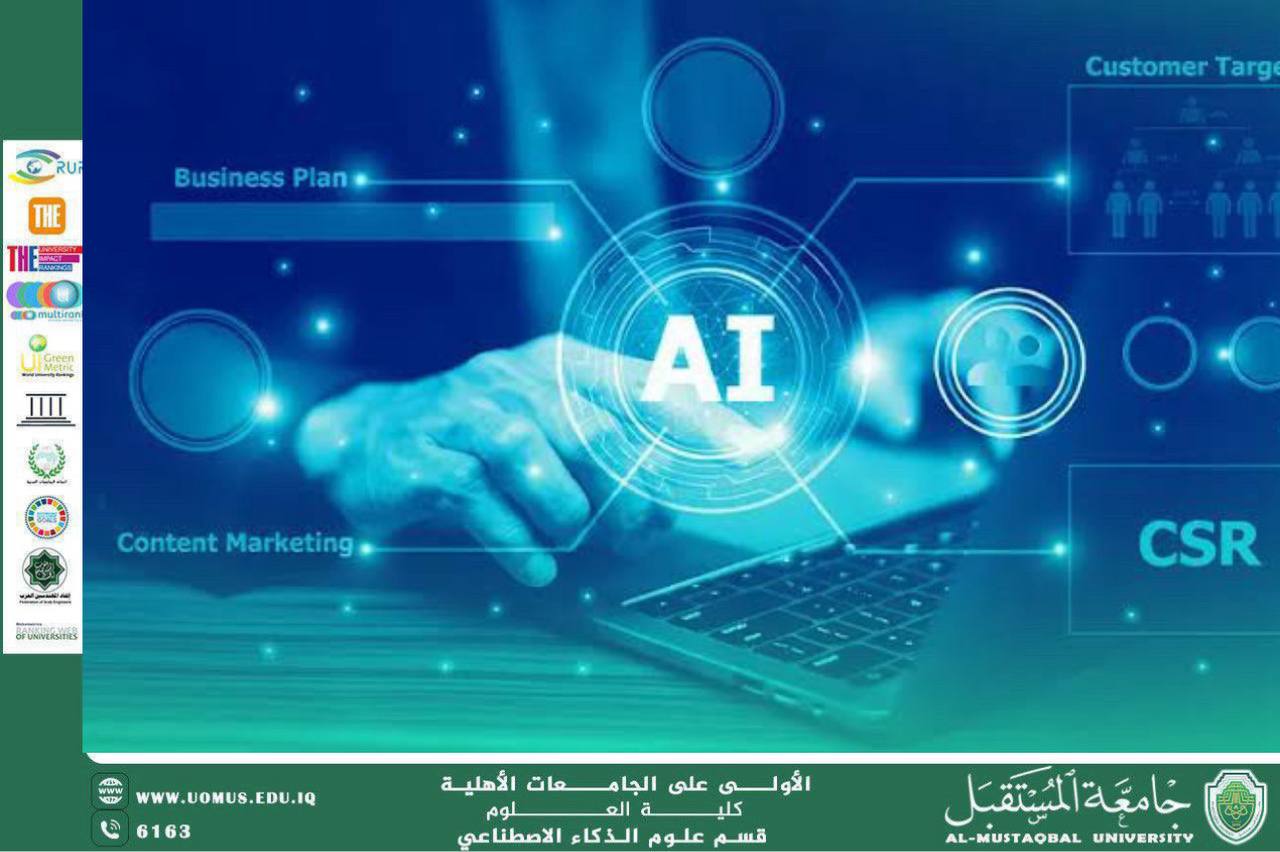
Ramadan represents a unique consumption season characterized by noticeable changes in purchasing patterns and dietary habits. With the growing reliance on e-commerce and digital marketing, analyzing consumer behavior has become a strategic necessity for understanding market trends and improving marketing strategies. Artificial Intelligence plays a crucial role in analyzing large datasets and extracting behavioral patterns with high precision.
AI techniques process big data generated from online purchases, social media interactions, and loyalty programs using machine learning algorithms and sentiment analysis tools. These systems enable companies to predict high-demand products, identify peak purchasing times, and design personalized offers tailored to consumer needs during the holy month.
Predictive analytics models also assist in inventory management and waste reduction, particularly for fast-moving consumer goods. Additionally, consumer behavior analysis provides insights into the cultural and social influences associated with Ramadan, enhancing the effectiveness of advertising campaigns.
However, implementing such technologies requires strict adherence to data protection standards and respect for individual privacy. Balancing intelligent data analysis with ethical considerations remains essential for successful applications.
Therefore, AI serves as a pivotal tool in understanding market dynamics during Ramadan and supporting data-driven marketing decisions.