The Role of Algorithms in Personalizing Cosmetic Surgery to Meet Patients’ Needs (Asst. Lect. Ali Salim Halim)
The field of cosmetic surgery has witnessed remarkable development due to the rapid integration of digital technologies and artificial intelligence. Advanced algorithms have become essential tools in supporting medical decision-making and enhancing surgical outcomes on both functional and aesthetic levels. Cosmetic surgery inherently relies on high precision in measurements, geometric symmetry, and a deep understanding of each patient’s individual characteristics. This has created significant opportunities for artificial intelligence to contribute positively through the analysis of medical data, radiological images, and three-dimensional models with accuracy that surpasses traditional methods.
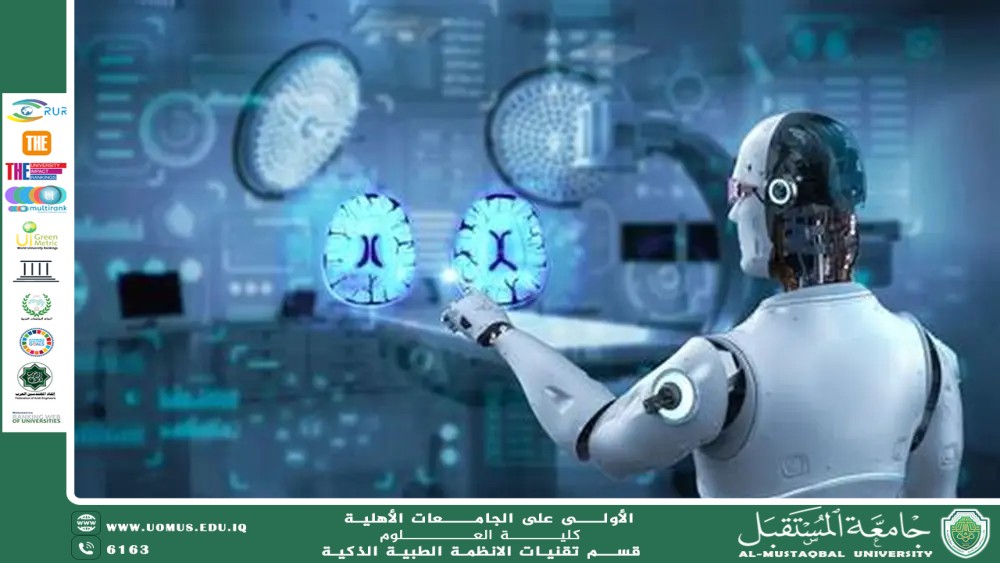
Deep learning–based algorithms contribute to preoperative image analysis by processing facial or body details and extracting precise indicators related to symmetry, tissue thickness, skin elasticity, and fat distribution. This analytical capability enables surgeons to simulate expected outcomes virtually before performing the procedure, thereby reducing uncertainty and providing a clearer therapeutic vision. These systems also compare patient data with large databases of similar cases, identifying optimal surgical strategies that have achieved the highest satisfaction rates with the lowest complication risks.
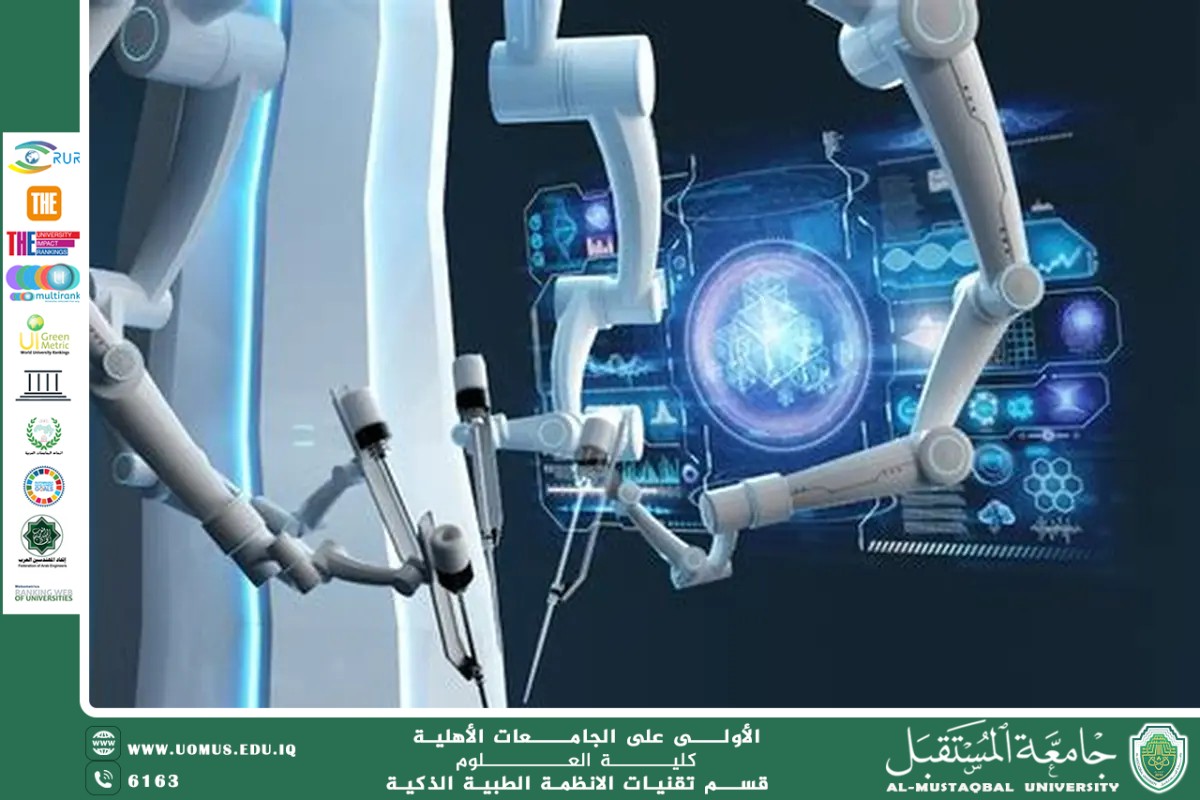
The application of artificial intelligence is not limited to the planning phase; it also extends to intraoperative support through algorithm-driven surgical guidance systems. Intelligent systems can analyze real-time images during surgery and provide accurate alerts regarding incision sites or the boundaries of sensitive tissues, enhancing safety and minimizing the possibility of human error. In delicate procedures such as rhinoplasty or jaw reshaping, algorithms provide instantaneous measurements that help achieve greater facial symmetry and improve long-term aesthetic outcomes.
At the level of personalization, the role of algorithms becomes even more evident through the development of predictive models based on individual patient data such as age, skin type, wound-healing patterns, and medical history. These models can recommend surgical techniques and treatment plans tailored to the biological characteristics of each case, rather than relying on standardized approaches. They also assist in estimating the likelihood of postoperative complications, enabling early preventive planning that reduces recovery time and improves overall results.
Furthermore, artificial intelligence–enhanced three-dimensional modeling technologies strengthen communication between surgeon and patient by presenting realistic digital projections of potential outcomes. This helps align expectations and reduce the gap between aesthetic desire and medical feasibility. Such data-driven interaction fosters mutual trust and supports evidence-based decision-making.
In the postoperative phase, algorithms can monitor the patient’s progress by analyzing periodic images and healing indicators, detecting early signs of abnormal changes that may require intervention. This intelligent monitoring approach reinforces the concept of continuous care and transforms cosmetic surgery from an isolated procedure into an integrated process that begins with digital assessment and concludes with precise therapeutic follow-up.
Through these multiple applications, it becomes clear that artificial intelligence does not aim to replace the surgeon but rather to empower them with advanced analytical tools that enhance decision-making accuracy and achieve safer, more personalized outcomes. With the ongoing evolution of algorithms and expansion of medical databases, artificial intelligence is expected to become a central component in shaping the future of cosmetic surgery, grounded in precision medicine and data-driven individualized planning.
Al-Mustaqbal University is the leading university in Iraq.