The Role of Artificial Intelligence in Improving Patient Experience in Future Hospitals (Asst. Lect. Qusay Munir Diab)
The healthcare sector is undergoing a radical transformation amid the accelerating digital revolution, as medical systems move toward the model of “smart hospitals” that rely on the integration of advanced technologies, artificial intelligence, the Internet of Things, and big data. Hospitals are no longer merely places that provide traditional treatment; rather, they have become interconnected digital ecosystems capable of analyzing real-time data, predicting health risks, and personalizing precise treatment plans for each patient. Future hospitals will redefine healthcare by shifting from a reactive model to a proactive approach based on prevention, early diagnosis, and continuous support.
Technology will enable hospitals to provide more personalized care by collecting and analyzing vast amounts of patient-specific health data, including medical history, genetic factors, lifestyle patterns, and prior treatment responses. Through advanced algorithms, individualized treatment plans can be designed to match each patient’s biological characteristics, enhancing treatment effectiveness and reducing complications. Integrated electronic health record systems also facilitate timely access to accurate information for medical teams, improving decision-making speed and minimizing medical errors.
Automation plays a central role in increasing operational efficiency within future hospitals. Intelligent systems allow more effective management of human and logistical resources by organizing surgical schedules, reducing waiting times, and optimizing the distribution of beds and equipment. Medical robots also contribute to performing certain routine procedures with exceptional precision, easing the burden on healthcare professionals and allowing them to focus more on the human aspects of care. This integration between human expertise and advanced technology creates a safer and more organized healthcare environment.
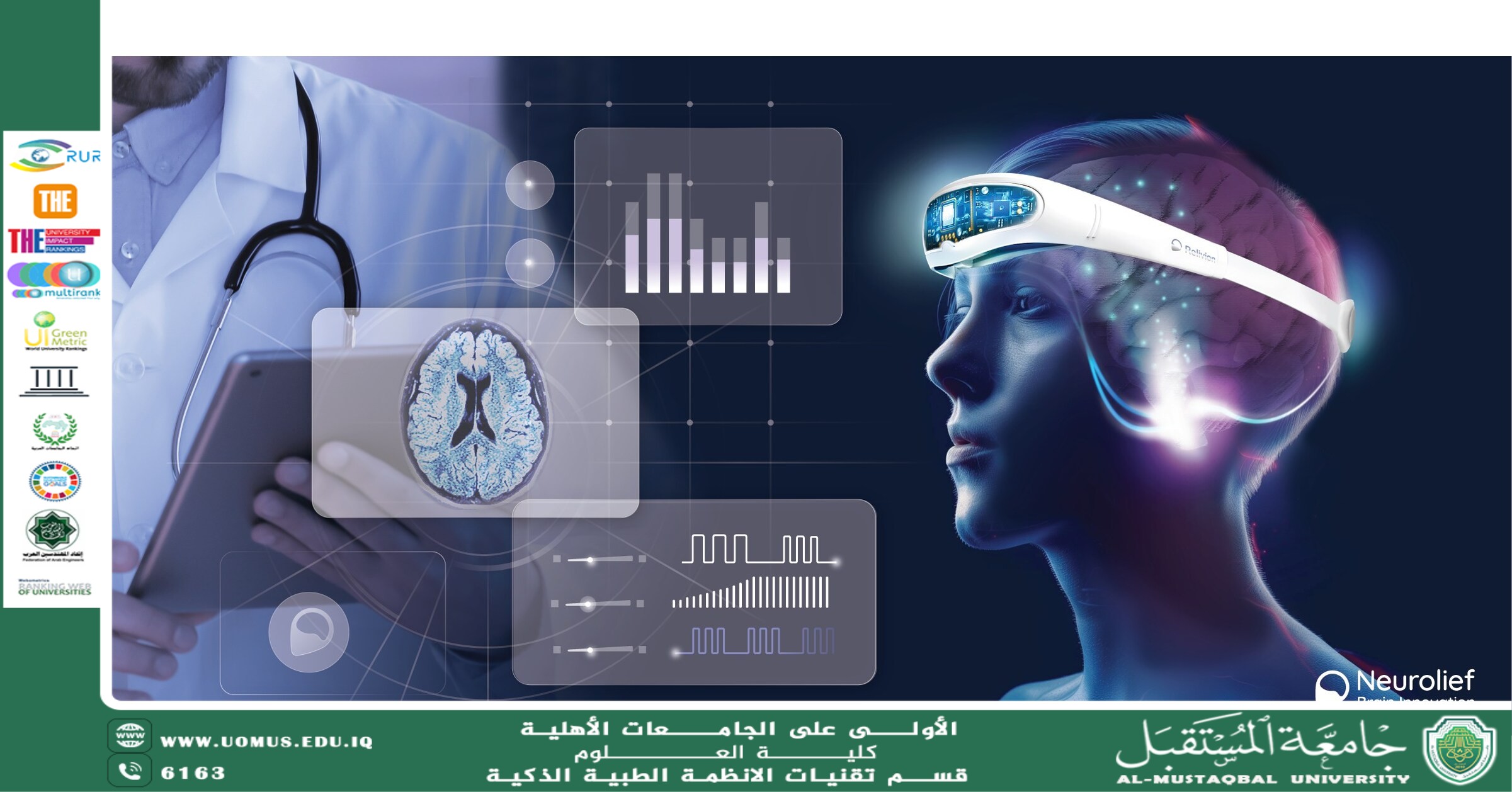
Artificial intelligence, in particular, plays a pivotal role in enhancing the patient experience within hospitals, from the booking and admission stage to post-discharge follow-up. Smart systems can analyze patient data to predict peak congestion times and suggest optimal appointment slots, while mobile applications and digital platforms enable patients to monitor their health conditions and communicate easily with physicians. During hospitalization, biosensors continuously monitor vital signs and send immediate alerts if abnormal changes occur, ensuring rapid response and preventing deterioration.
Furthermore, virtual reality and augmented reality technologies contribute to educating patients and explaining medical procedures in an interactive and simplified manner, reducing anxiety and increasing understanding and trust. Analytical systems can also measure patient satisfaction by evaluating feedback and behavioral data, allowing services to be improved based on actual evidence. This integrated digital experience transforms the patient into an active partner in their healthcare journey rather than a passive recipient of services.
As technological innovations continue to advance, hospitals will evolve into intelligent environments capable of predicting diseases before they worsen, enhancing operational efficiency, and elevating overall healthcare quality. Future hospitals will not only deliver more advanced treatments but will also provide a comprehensive human-centered experience built on precision, speed, and personalization, thereby establishing a more sustainable and effective healthcare system.
Al-Mustaqbal University is the leading university in Iraq.