Scientific Article About Iron Deficiency in the Body
Iron is one of the essential nutrients that the human body needs to perform many vital functions, as it plays an important role in the formation of hemoglobin in red blood cells, which is responsible for transporting oxygen throughout the body. Iron deficiency leads to anemia, which negatively affects overall health and daily activity.
Iron deficiency has several causes, including poor nutrition and insufficient intake of iron-rich foods, as well as blood loss due to bleeding or heavy menstrual periods in women, and increased iron requirements during pregnancy and breastfeeding. Some digestive system diseases may also affect the body’s ability to absorb iron from food.
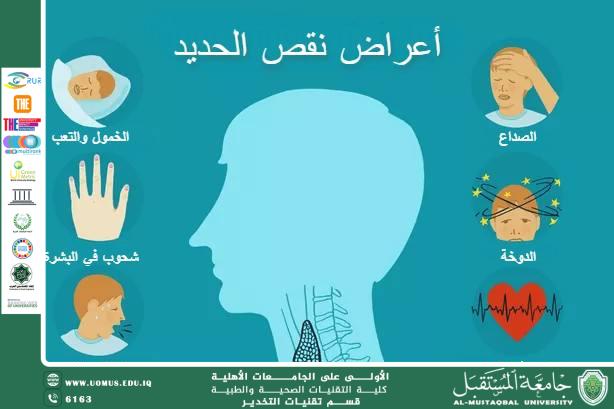
Symptoms of iron deficiency include persistent fatigue and tiredness, facial and skin pallor, dizziness and headache, shortness of breath, rapid heartbeat, as well as hair loss, brittle nails, and poor concentration.
Neglecting the treatment of iron deficiency may lead to serious health complications, such as severe anemia, weakened immune system, delayed growth in children, and increased risk of pregnancy complications such as extreme fatigue or premature birth.
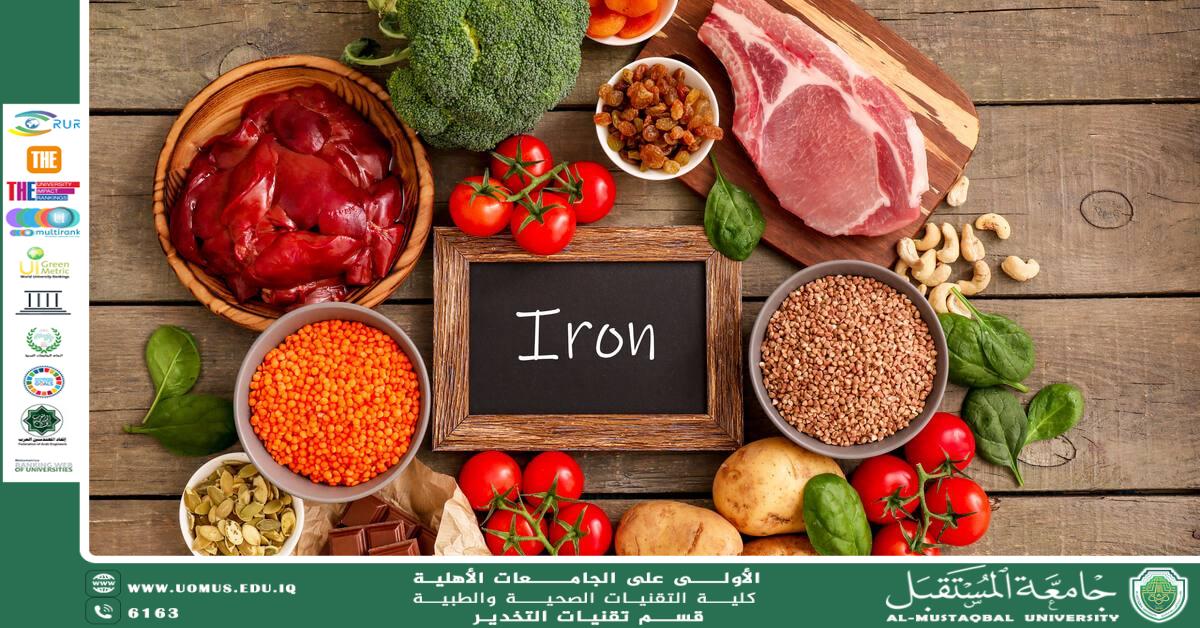
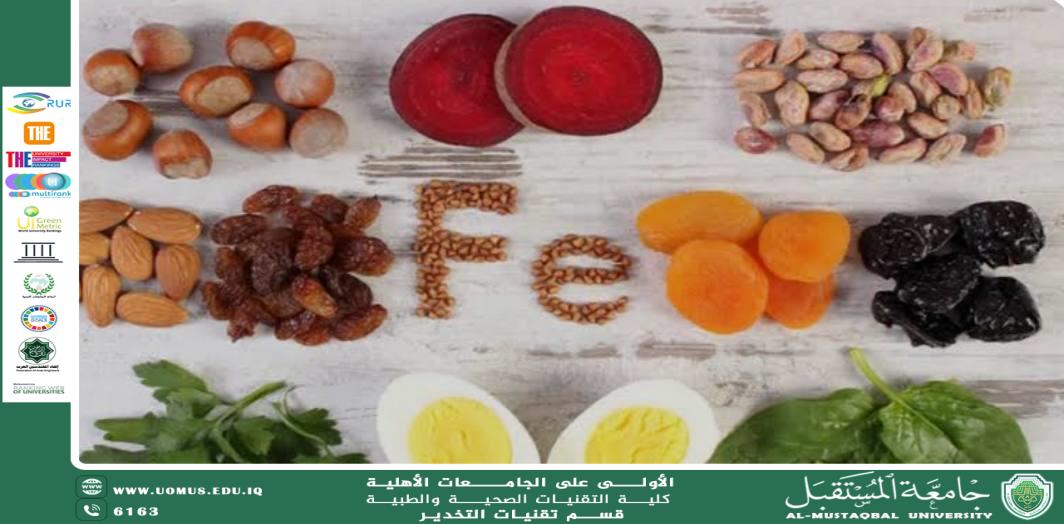
Treatment of iron deficiency depends on taking iron-containing nutritional supplements under the supervision of a specialist physician, while paying attention to consuming iron-rich foods such as liver, red meat, lentils, spinach, and dates, in addition to vitamin C, which helps improve iron absorption in the body. It is also recommended to avoid drinking tea or coffee immediately after meals.
In conclusion, prevention of iron deficiency depends on following a healthy and balanced diet and conducting regular medical checkups to maintain body health and activity.
Fatima Maki Noor
Al Mustaqbal University
The First University in Iraq