
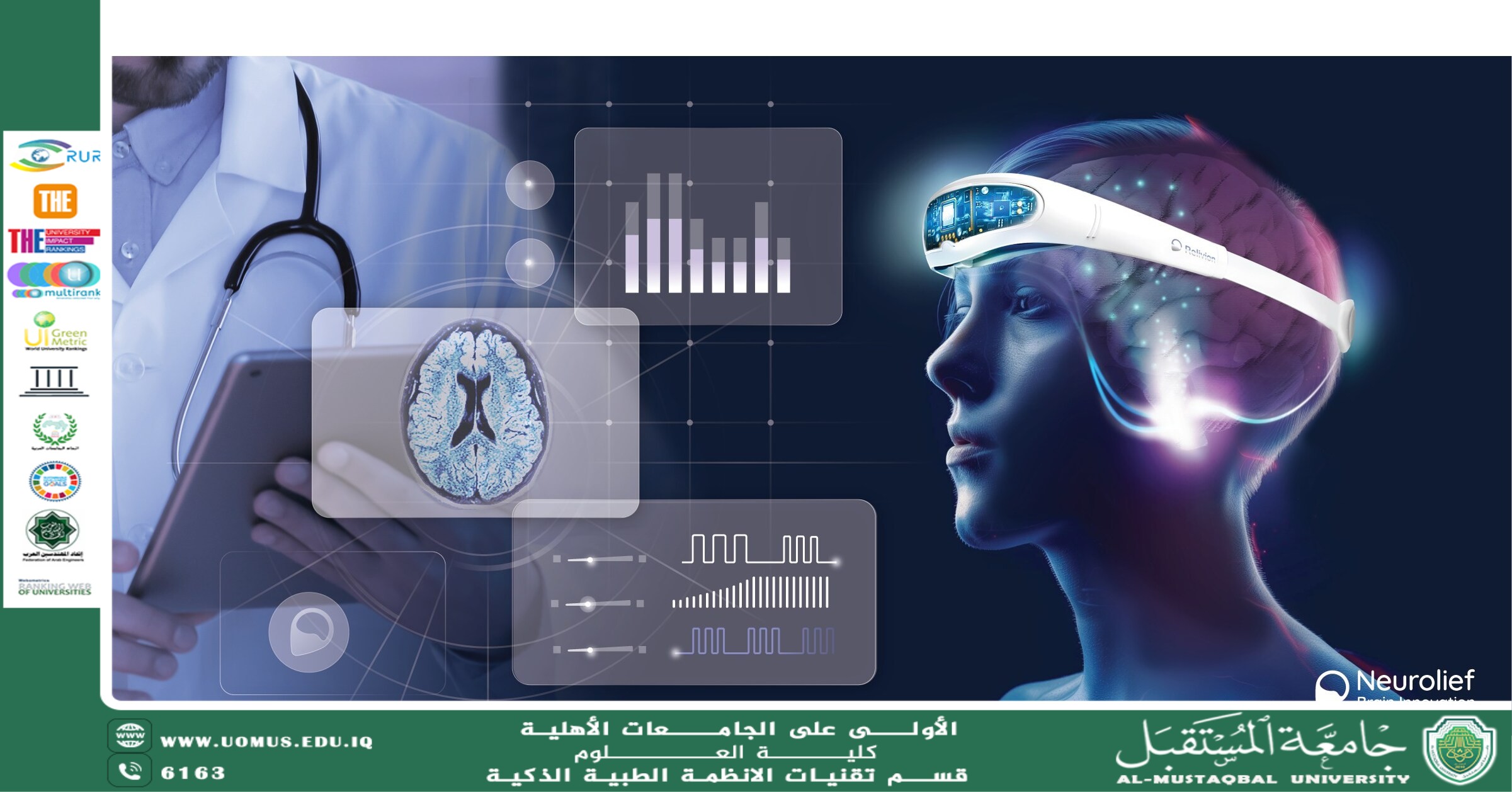
.The Role of Intelligent Systems in Enhancing Diagnostic Accuracy and Therapeutic Decision-Making (Prof. Dr. Mahdi Abadi Manea)
The healthcare sector is witnessing a profound transformation driven by the rapid advancement of artificial intelligence technologies, which have become pivotal in supporting precise medical decision-making and improving the quality of healthcare services. Artificial intelligence relies on advanced algorithms capable of analyzing vast amounts of complex medical data, including electronic health records, laboratory test results, medical imaging, and genomic data, to generate evidence-based recommendations derived from patterns that may be difficult for humans alone to detect.
Among the most prominent applications of clinical decision support systems is the use of deep learning techniques in medical image analysis, as seen in radiological imaging systems used for diagnosing tumors and cardiovascular diseases. Technologies developed by companies such as IBM through the Watson Health system have achieved significant progress in analyzing clinical data and suggesting evidence-based treatment options. Additionally, healthcare technology initiatives like Google Health contribute to developing AI models capable of detecting diseases such as diabetic retinopathy and breast cancer with high levels of accuracy.
Artificial intelligence assists physicians in reducing medical errors by providing intelligent alert systems that continuously analyze patients’ vital signs and correlate them with medical history to suggest differential diagnoses or recommend additional examinations. It can also compare a patient’s current condition with thousands or even millions of previously documented cases worldwide to support more accurate therapeutic decisions. This type of support is not intended to replace physicians but rather to enhance their cognitive capabilities and empower them to make well-informed decisions based on comprehensive and integrated data.
In the therapeutic domain, intelligent systems contribute to personalizing treatment plans according to individual patient characteristics, an approach known as precision medicine. By analyzing predicted drug responses based on genetic and clinical data, these systems help minimize side effects and increase treatment effectiveness. They also support decisions regarding appropriate dosage selection, predict postoperative complications, and assist in prioritizing interventions in critical cases.
Furthermore, predictive analytics plays an essential role in preventive and proactive care, as intelligent models can forecast the likelihood of complications such as sepsis or kidney failure before symptoms become clinically evident, allowing medical teams to intervene early. This contributes to reducing mortality rates, improving patient outcomes, and lowering healthcare costs.
However, the success of artificial intelligence in medical decision support depends on the availability of accurate and secure data, ensuring algorithmic transparency, and maintaining professional ethics and patient confidentiality. Therefore, the thoughtful integration of human medical expertise with intelligent systems represents the optimal model for achieving more precise, efficient, and sustainable healthcare.
Al-Mustaqbal University – The First University in Iraq.