Renewable Energy as a Strategic Pillar for Sustainable Development and Energy Security in the Twenty-First Century
Prepared by Engineer Tabark Mohsin Ashour
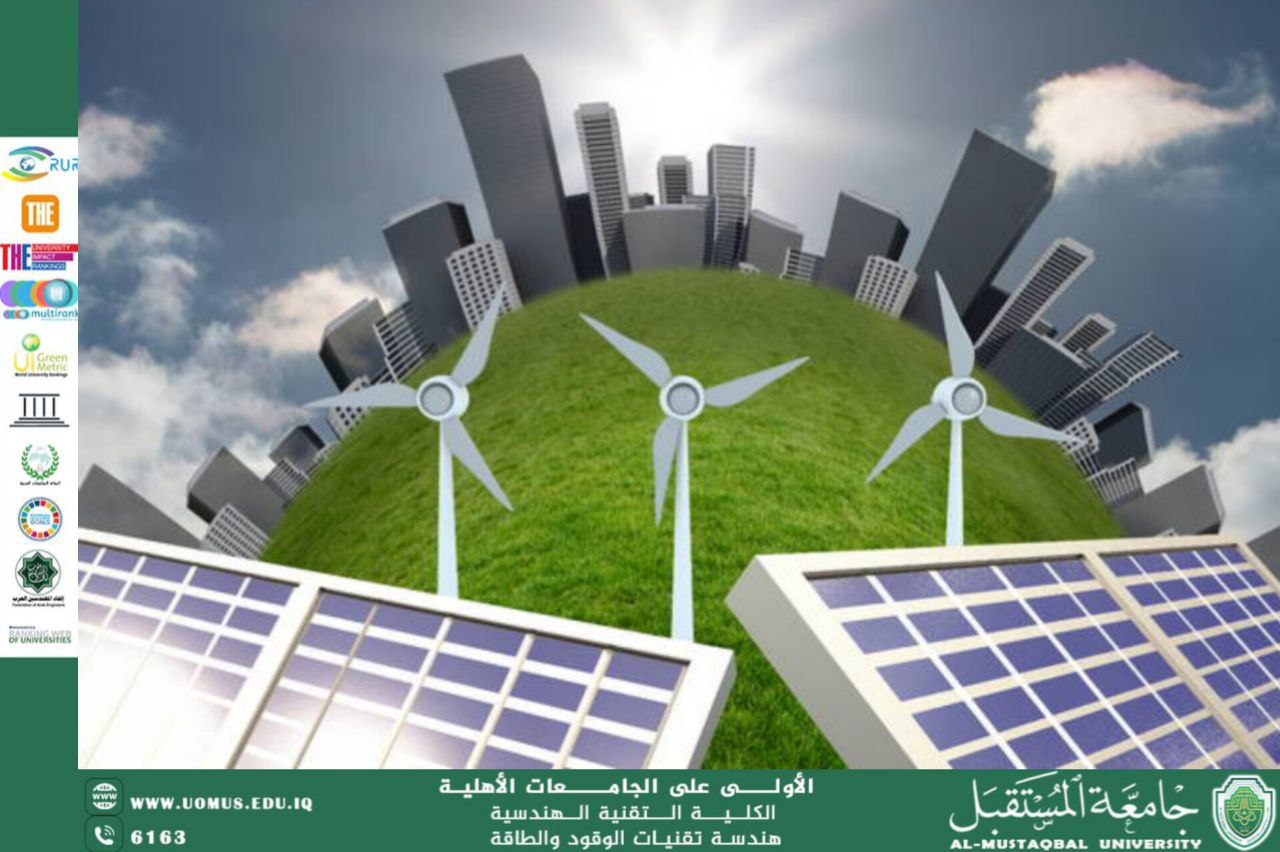
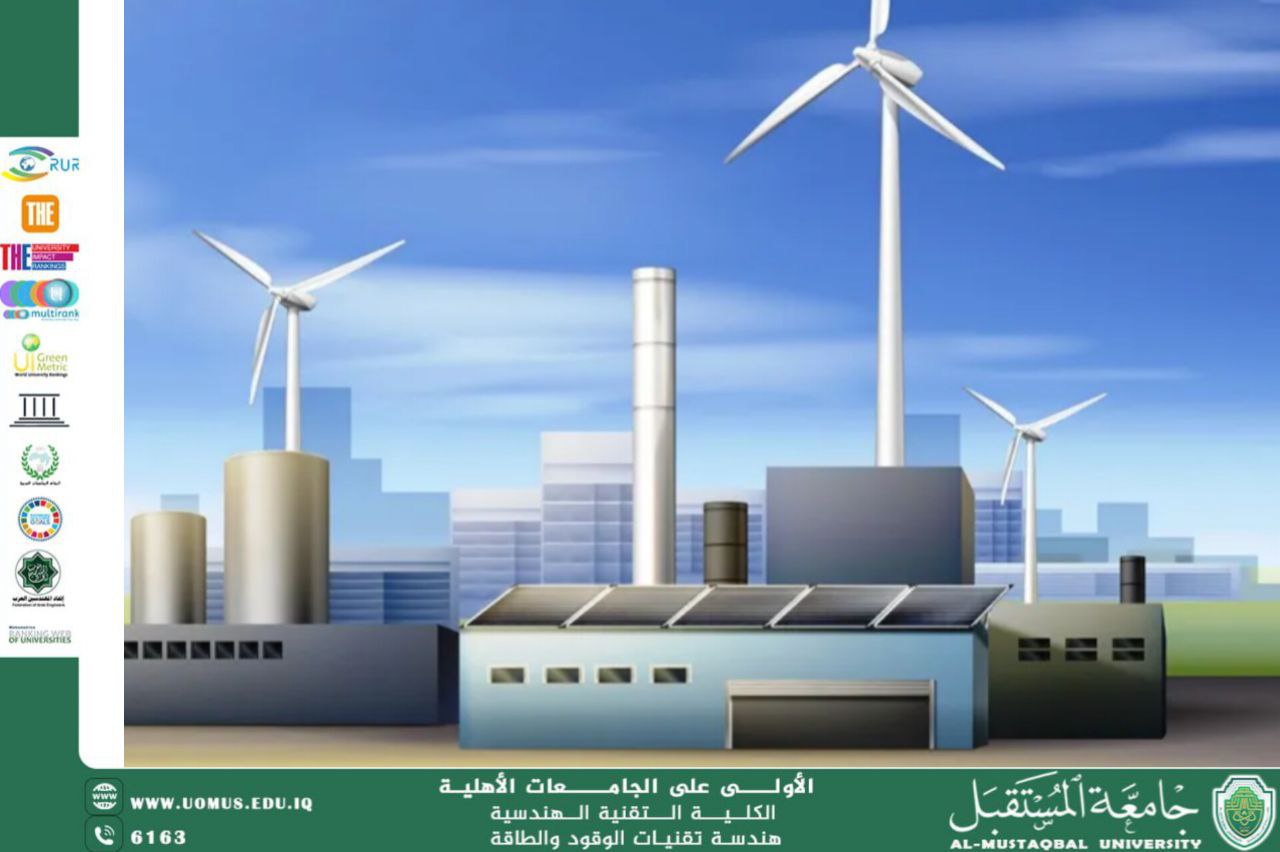
Renewable energy has become one of the most critical strategic pillars for achieving sustainable development and ensuring long-term energy security worldwide. The global transition toward clean energy sources is no longer merely an environmental preference; it has evolved into an economic, technological, and social necessity driven by climate change, fluctuating fossil fuel markets, and the rapidly growing demand for electricity. As the impacts of global warming intensify—manifesting in rising temperatures, prolonged droughts, extreme weather events, and sea-level rise—the urgency to restructure traditional energy systems that rely heavily on oil, coal, and natural gas has become increasingly evident. Renewable energy sources such as solar power, wind energy, hydropower, biomass, and geothermal energy offer sustainable and environmentally friendly alternatives characterized by low greenhouse gas emissions and continuous natural replenishment. Over the past two decades, remarkable technological advancements in photovoltaic cells, wind turbines, smart grids, and energy storage systems have significantly reduced production costs while enhancing efficiency and reliability, making renewable energy highly competitive with conventional energy sources in many global markets. Beyond its environmental benefits, investment in renewable energy stimulates economic growth by creating high-quality job opportunities in engineering, manufacturing, installation, maintenance, and scientific research, while also fostering innovation in advanced battery technologies, green hydrogen production, and intelligent energy management systems. Furthermore, renewable energy plays a vital social role by enabling decentralized power generation systems capable of delivering electricity to remote and underserved communities, thereby supporting education, healthcare services, and local economic development. For developing countries in particular, renewable energy represents a transformative opportunity to bypass expensive centralized infrastructure models and adopt flexible, scalable, and sustainable solutions tailored to their geographic and climatic conditions. However, successful integration of renewable energy into national energy frameworks requires comprehensive regulatory policies, effective investment incentives, strong public–private partnerships, and continuous academic research to address technical and logistical challenges. The integration of artificial intelligence and digital monitoring systems has further optimized renewable power plant operations by improving demand forecasting, grid stability, and overall system efficiency. Although intermittency remains a challenge for certain renewable sources such as solar and wind, modern storage technologies and hybrid energy systems have demonstrated increasing capability in mitigating these limitations. Consequently, the transition to renewable energy is not merely a forward-looking ambition but an inevitable global pathway toward environmental preservation, economic resilience, and intergenerational responsibility, positioning renewable energy as a fundamental driver of green economic growth in the twenty-first century.