An academic article titled "Artificial Intelligence: Between Supporting and Replacing Teachers: A Future Vision" by M.M. Samar Hussein Hilal
Artificial intelligence: between supporting and replacing teachers – a future vision
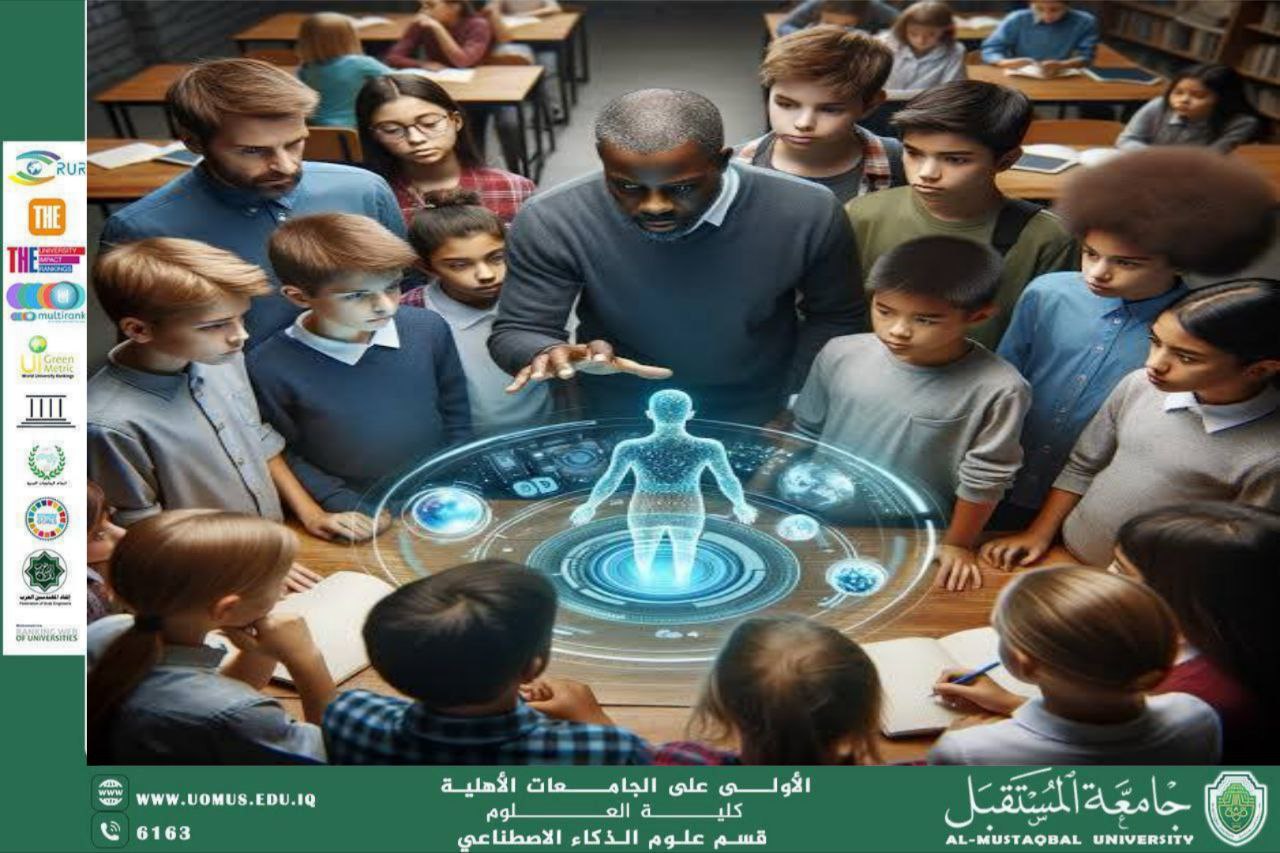
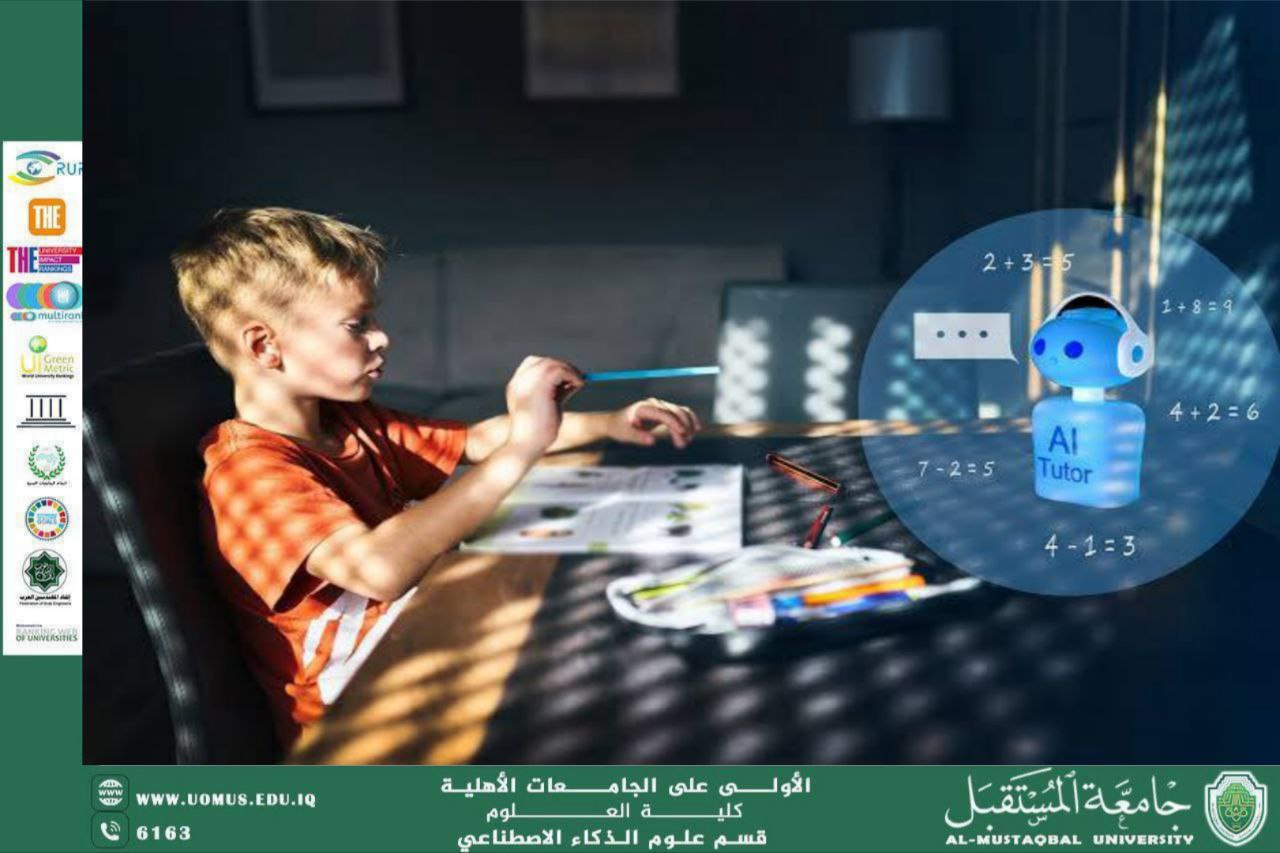
The rapid advancement of artificial intelligence has sparked an ongoing debate about whether AI will support teachers or eventually replace them. Intelligent educational systems increasingly rely on machine learning algorithms to analyze student performance, personalize content, and provide instant feedback, thereby enhancing individualized learning experiences and reducing educational gaps. According to UNESCO, artificial intelligence has the potential to improve educational quality when implemented ethically and inclusively. The Organisation for Economic Co-operation and Development highlights that the teacher’s role is evolving from information transmitter to learning facilitator and instructional designer, supported by data-driven insights. Furthermore, the World Economic Forum emphasizes that essential future skills such as critical thinking, creativity, and emotional intelligence remain inherently human competencies that are difficult to automate. While AI can automate administrative tasks, grading, and assessment generation, it cannot fully replicate empathy, social awareness, and moral guidance. From a forward-looking perspective, the relationship between AI and teachers is likely to be complementary rather than competitive, with AI serving as an intelligent assistant that enhances efficiency and enables educators to focus on mentorship, innovation, and human-centered learning, ultimately reshaping the teaching profession within a balanced digital framework.