An academic article titled "Climate Changes in Spring and Their Environmental Impact" by Lecturer Samar Hussein Hilal
Climate changes in spring and their environmental impact
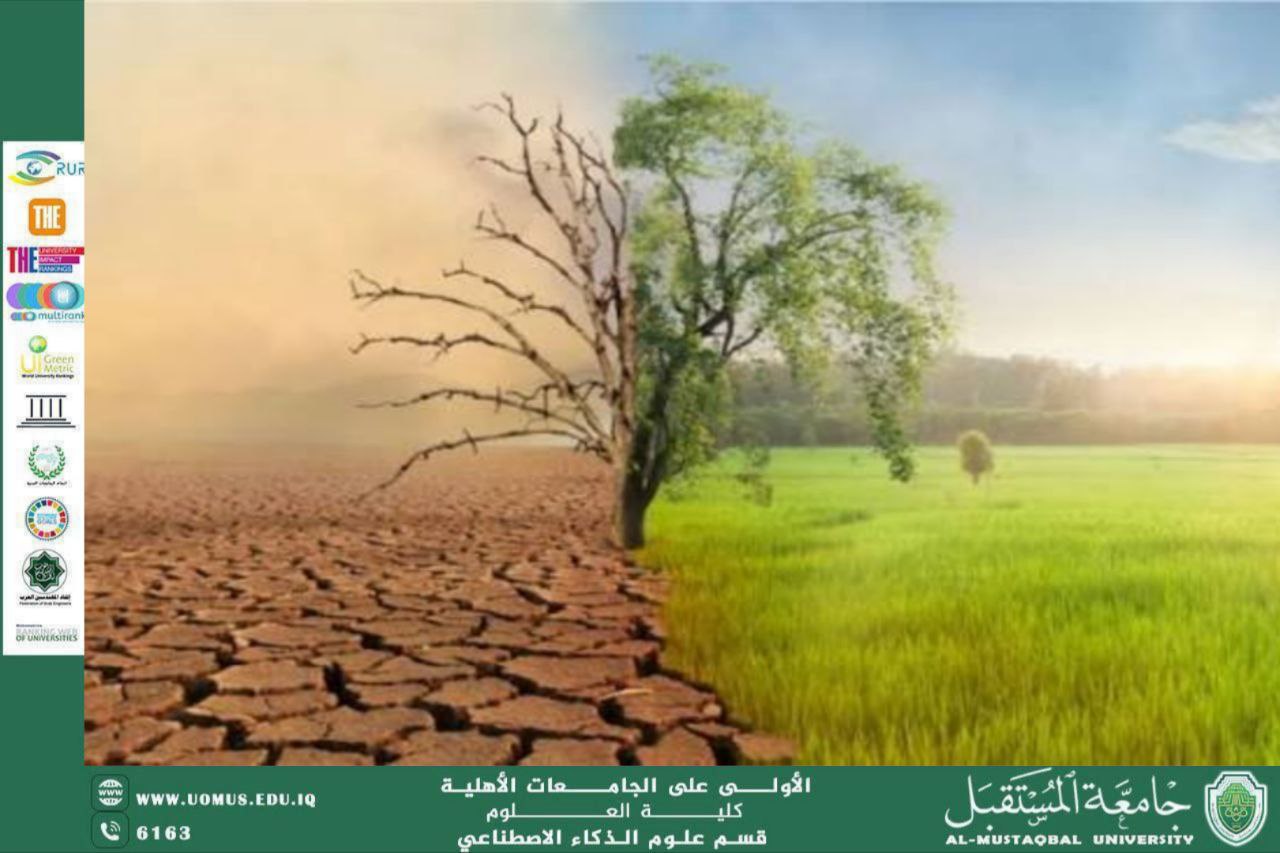
Spring seasons across many regions are experiencing noticeable climatic shifts due to global warming, with earlier temperature increases and altered precipitation patterns directly affecting ecosystems. Reports from the Intergovernmental Panel on Climate Change indicate that rising global temperatures have modified the timing of seasonal biological events such as flowering and bird migration, a phenomenon known as phenological shift. The World Meteorological Organization also documents an increased frequency of extreme weather events, including early heatwaves and intense spring storms. These changes significantly impact biodiversity, as mismatches may occur between plants and pollinators, disrupting natural food webs. Altered rainfall patterns can lead to drought in some regions and flooding in others, negatively influencing agriculture and soil stability. According to the United Nations Environment Programme, ecosystem disturbances caused by climate change may reduce the natural capacity of environments to absorb carbon, further intensifying global warming. Human health is also affected, with longer pollen seasons contributing to allergies and the potential expansion of vector-borne diseases as temperatures rise. Understanding these environmental impacts and implementing adaptive strategies—such as sustainable resource management and emission reduction—is essential to maintaining ecological balance and ensuring long-term environmental resilience in the face of accelerating climate change.