A scientific article titled "The Impact of Artificial Intelligence on Future Researchers" by Banin Nazem Sarhan
1- The Impact of Artificial Intelligence on Future Jobs
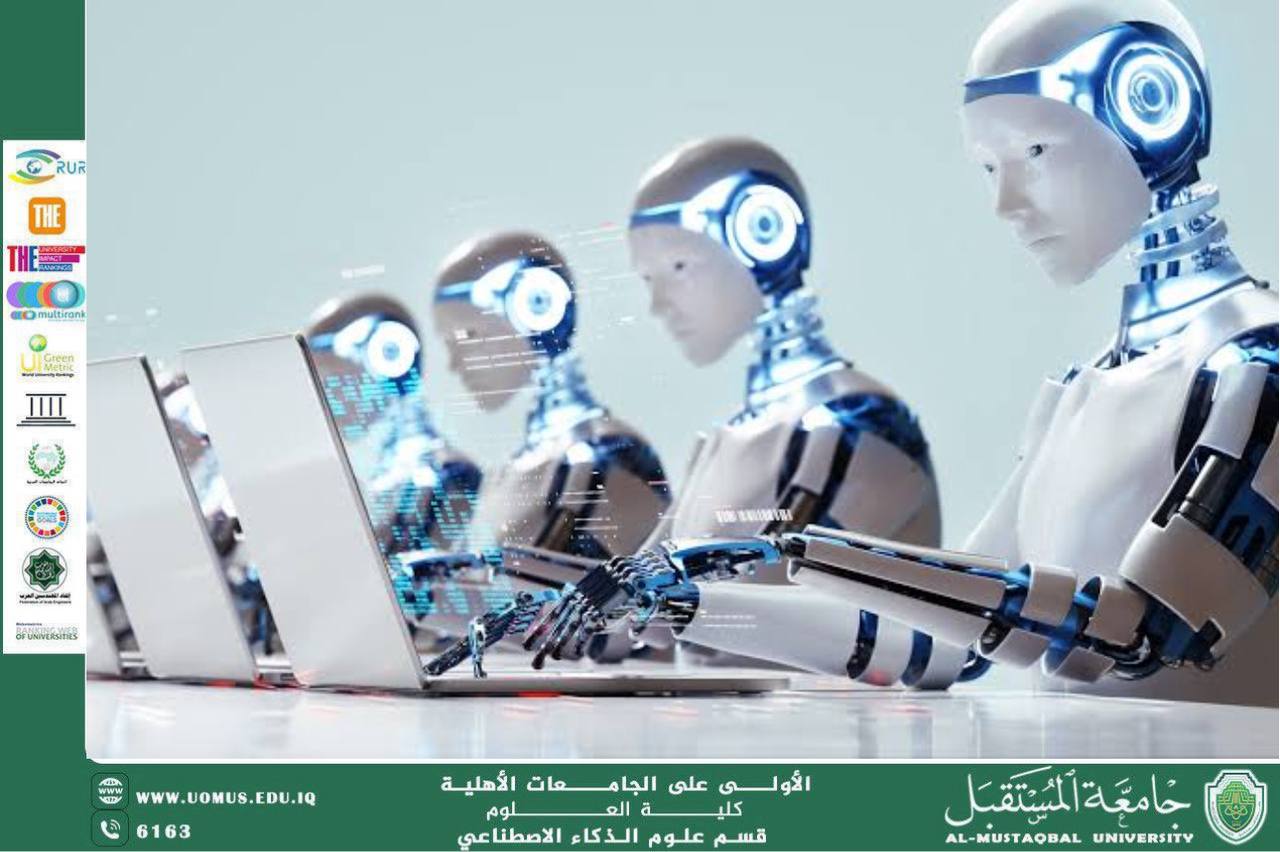
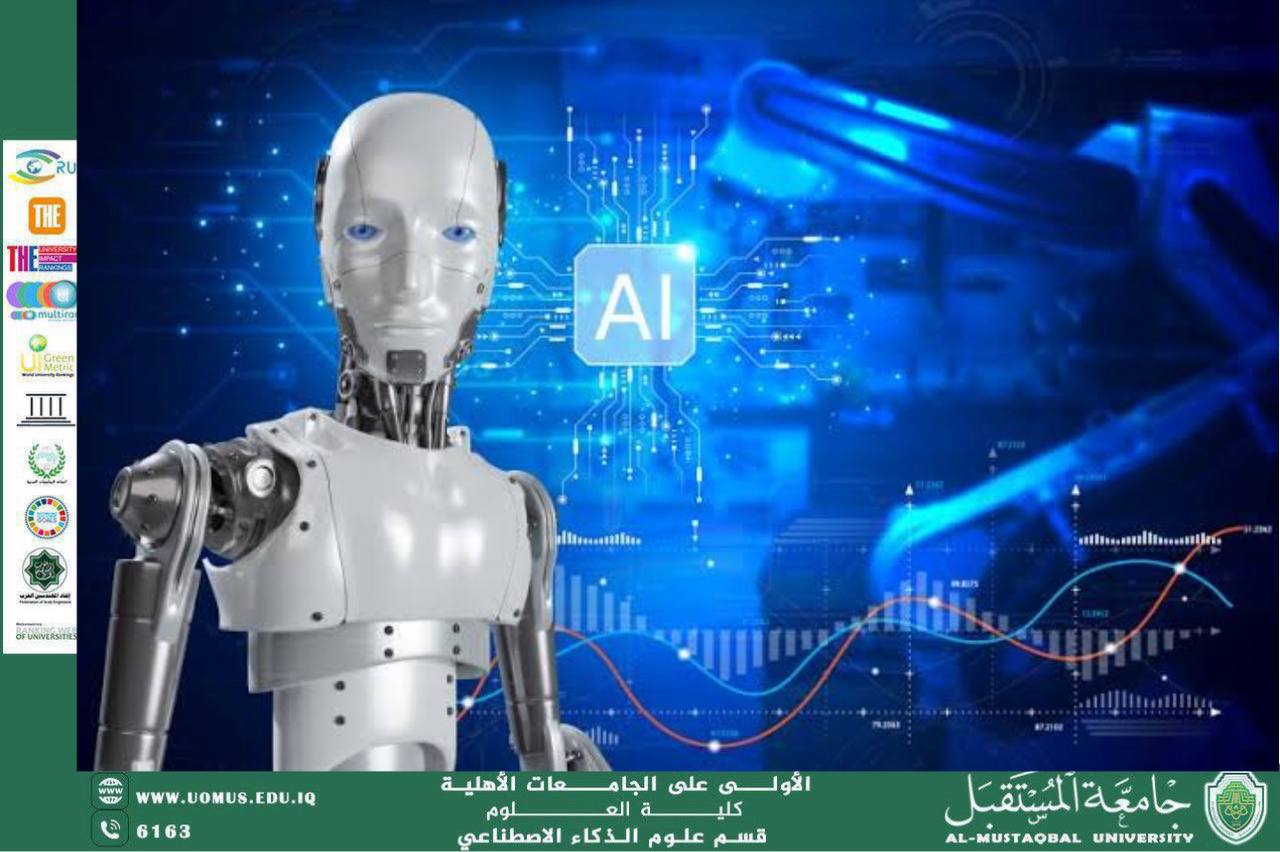
In recent decades, the world has witnessed rapid digital transformation due to the significant advancement in artificial intelligence (AI) technologies. This development has had a direct impact on the labor market and the nature of future jobs. Artificial intelligence has become an essential component in many sectors such as industry, education, healthcare, and financial services, leading to fundamental changes in job roles and the skills required in the modern workplace.
Artificial intelligence contributes to the automation of many routine tasks that were previously performed by humans, such as data entry, data analysis, and repetitive calculations. While this transformation has reduced the demand for some traditional jobs, it has simultaneously created new career opportunities that require advanced technical skills such as data analysis, algorithm development, and intelligent system management.
One of the most important challenges associated with this transformation is the need to reskill and upskill the workforce to meet the demands of the digital era. Academic degrees alone are no longer sufficient to guarantee job stability. Continuous learning and the acquisition of digital skills have become critical factors for individuals seeking to remain competitive in the labor market.
Moreover, artificial intelligence enhances work efficiency and productivity. Intelligent systems are capable of analyzing vast amounts of data in a short period and making accurate decisions that help organizations achieve their strategic objectives. However, concerns remain about the potential loss of certain jobs due to the increasing reliance on automation and smart technologies.
Despite these concerns, many researchers believe that artificial intelligence will not fully replace humans but will instead serve as a supportive partner in performing complex tasks. Human abilities such as creativity, critical thinking, and social interaction remain essential qualities that machines cannot easily replicate.
In conclusion, the impact of artificial intelligence on future jobs represents both a challenge and an opportunity. While some traditional jobs may disappear, new opportunities will emerge that require different skills. Therefore, educational systems and training programs must evolve to prepare individuals for the demands of the digital future.