
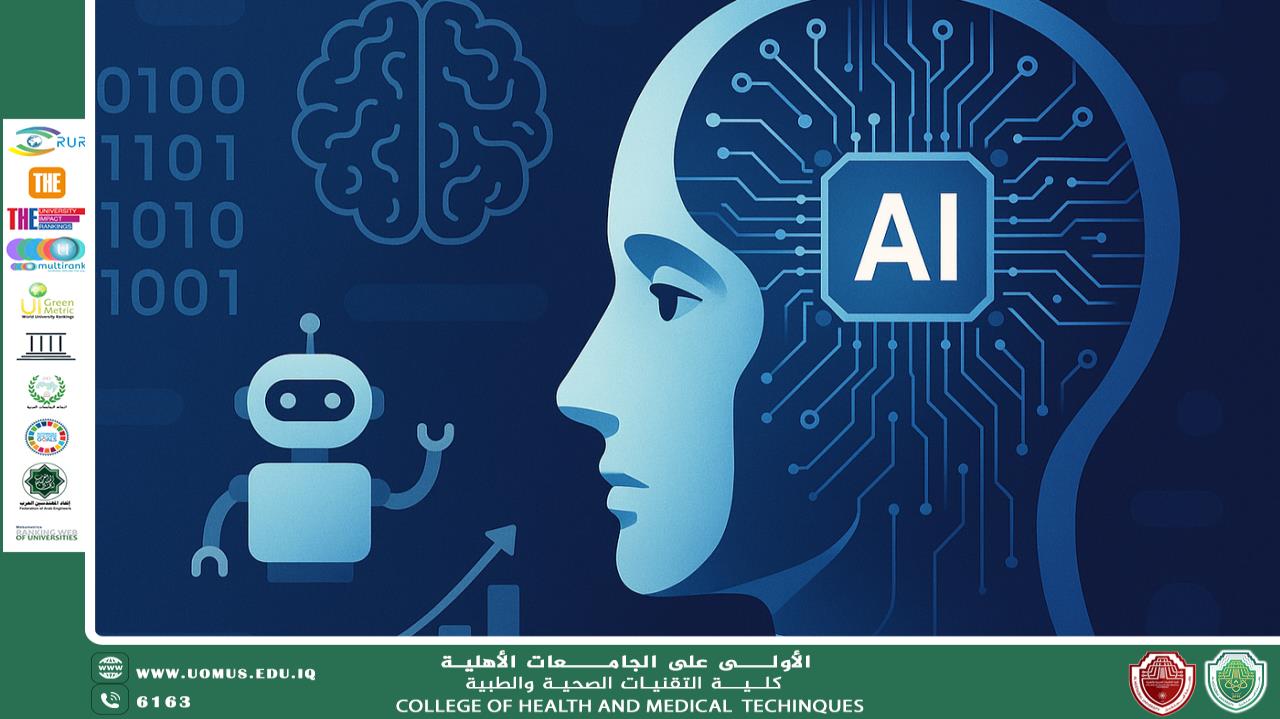
Ethics of Artificial Intelligence Use
In recent years, the world has witnessed rapid developments in the field of artificial intelligence (AI), which has become an integral part of many sectors such as education, healthcare, industry, and commerce. Alongside this significant progress, there has emerged a need to establish ethical guidelines to govern the use of these technologies, ensuring that they are employed responsibly for the benefit of humans and society. Consequently, the ethics of AI has become an important topic in scientific and research studies, as it plays a crucial role in balancing technological innovation with the protection of human values.
The Concept of AI Ethics
AI ethics refers to a set of principles and values aimed at guiding the development and use of intelligent systems in a fair, safe, and responsible manner. These ethics focus on ensuring that AI-based technologies serve humanity positively while minimizing potential harm that may result from their misuse.
Principles of AI Ethics
There are several fundamental principles that form the ethical foundation for AI usage, including:
1. Transparency
AI systems should be clear in their operations and decision-making processes so that it is possible to understand how decisions affecting individuals are made.
2. Fairness and Non-Bias
AI algorithms should be free from bias or discrimination against individuals or groups and should rely on fair and balanced data.
3. Privacy and Data Protection
AI systems rely on large amounts of data; therefore, it is essential to protect individuals’ privacy and prevent the misuse of personal information.
4. Accountability and Responsibility
The entities responsible for decisions made by AI systems must be clearly identified, allowing developers or operators to be held accountable in case of errors or harm.
5. Safety and Security
AI systems should be designed to minimize technical or security risks and ensure that they operate safely and reliably.
Ethical Challenges of AI
Despite the considerable benefits of AI, there are several ethical challenges associated with its use, such as algorithmic bias, privacy violations, and over-reliance on intelligent systems for sensitive decision-making. Moreover, AI applications in areas like surveillance or personal data analysis raise questions regarding the limits of technology usage.
The Importance of Regulatory Frameworks
To ensure responsible AI usage, governments and international organizations are working to develop policies and laws that regulate the development and application of these technologies. Universities and research centers also play a vital role in raising ethical awareness among researchers and developers, encouraging the creation of AI technologies that respect human values.
Conclusion
Artificial intelligence represents one of the most influential technologies shaping the future of the world. However, harnessing its immense potential requires adherence to clear ethical principles. Implementing AI ethics ensures that this technology is used responsibly and safely, enhances trust between society and modern technologies, and contributes to sustainable development that serves humanity and promotes societal progress.
Al-Mustaqbal University
The First University in Iraq