An academic article titled "Environmental Sustainability in Smart Cities" by Lecturer Samar Hussein Hilal
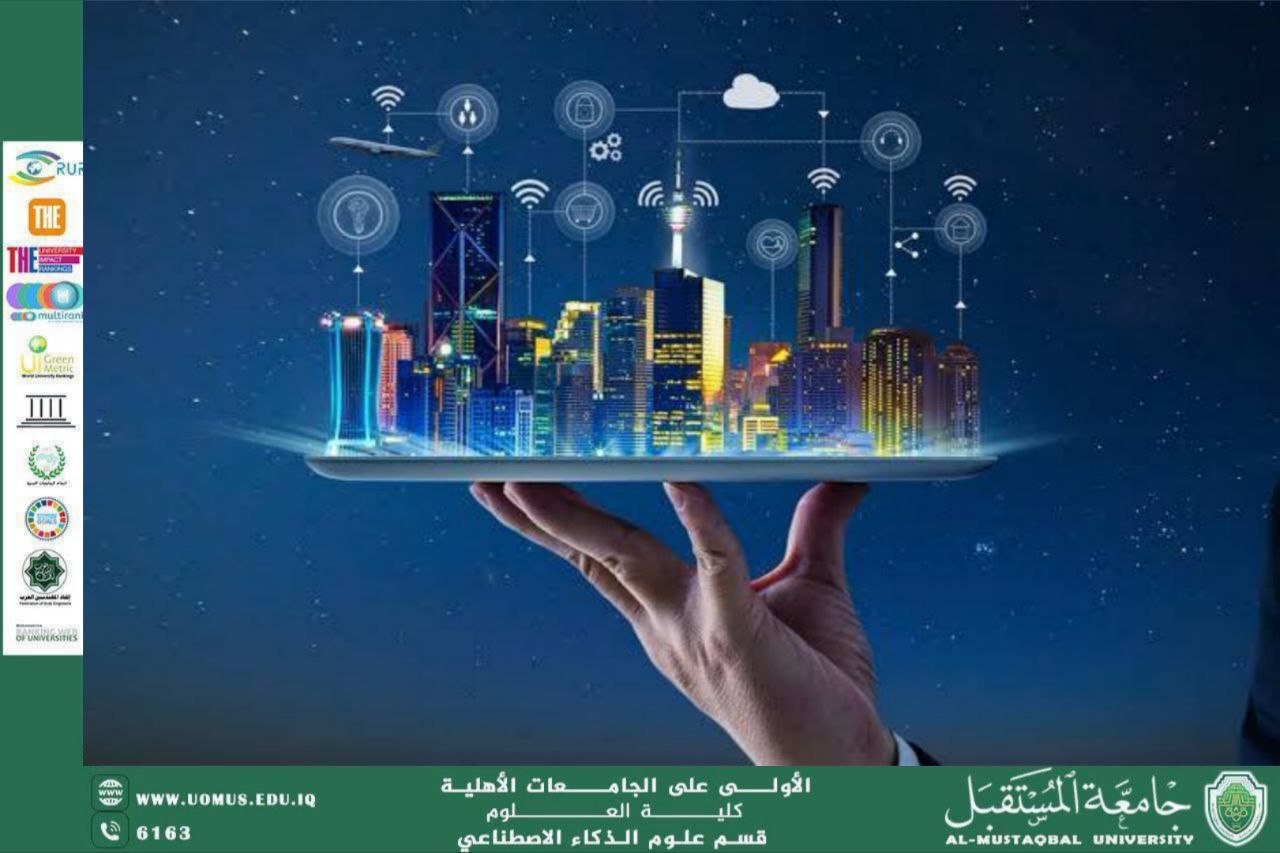
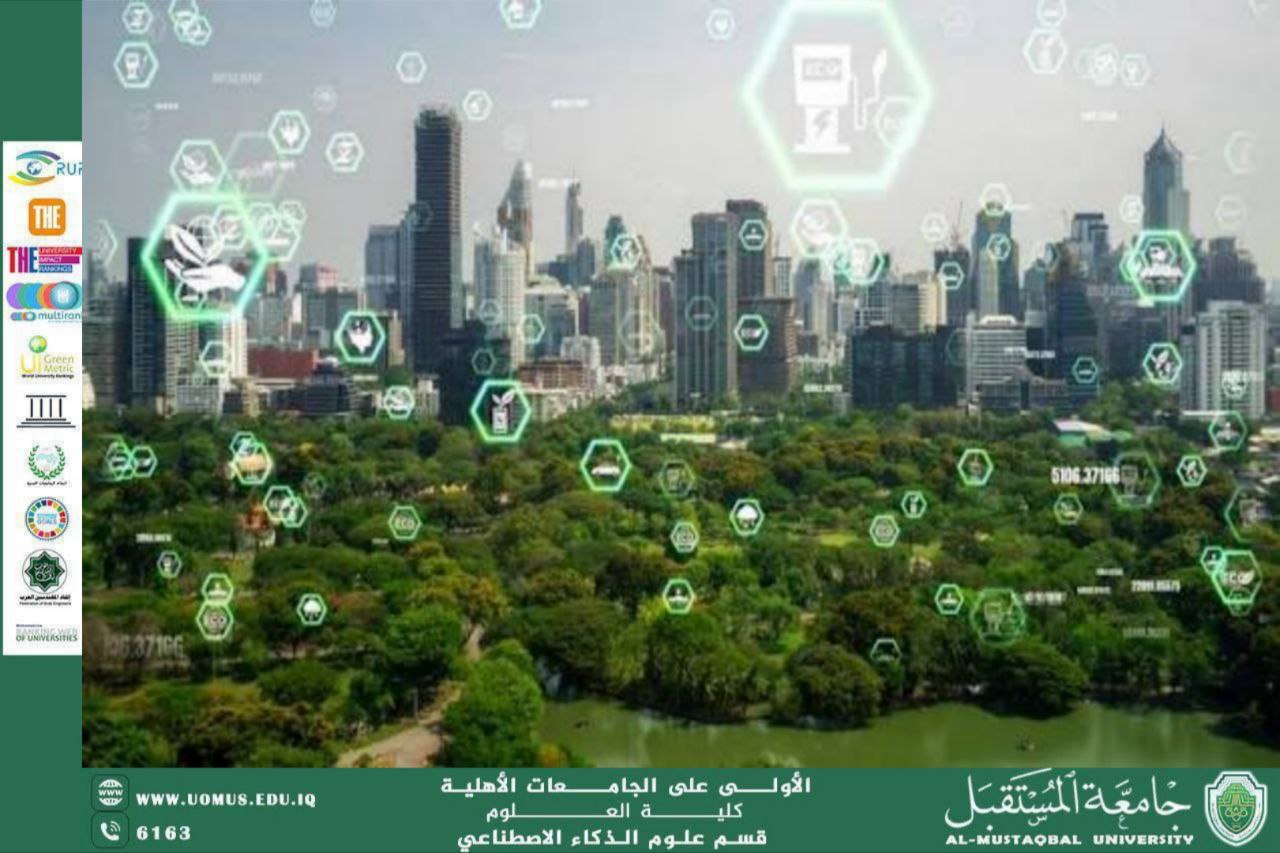
Environmental sustainability is a fundamental pillar in the development of smart cities, which aim to utilize advanced technologies to manage resources efficiently and reduce the environmental impacts of rapid urbanization. Smart cities rely on digital systems such as the Internet of Things and data analytics to optimize the management of energy, water, and waste, thereby reducing the consumption of natural resources and lowering greenhouse gas emissions. According to the United Nations Environment Programme, sustainable urban planning can significantly reduce pollution and enhance the quality of life in urban environments. The World Bank also emphasizes that the use of smart technologies in public transportation and energy management helps decrease traffic congestion and fuel consumption, supporting the transition toward more sustainable cities. Furthermore, many smart cities employ environmental monitoring systems using sensors to collect real-time data on air quality, energy usage, and noise levels, enabling policymakers to implement more effective environmental strategies. The United Nations Human Settlements Programme highlights that integrating technological innovation with green urban planning—such as expanding green spaces and promoting renewable energy—can balance economic growth with environmental protection. Despite these advantages, the success of smart cities depends on strong digital infrastructure and supportive policies that ensure responsible technology use. In the future, smart cities are expected to play a key role in addressing global environmental challenges by implementing innovative solutions that reduce pollution and improve resource efficiency, ultimately creating healthier and more sustainable urban environments.