An academic article titled "The Fourth Industrial Revolution and the Labor Market" by Lecturer Samar Hussein Hilal
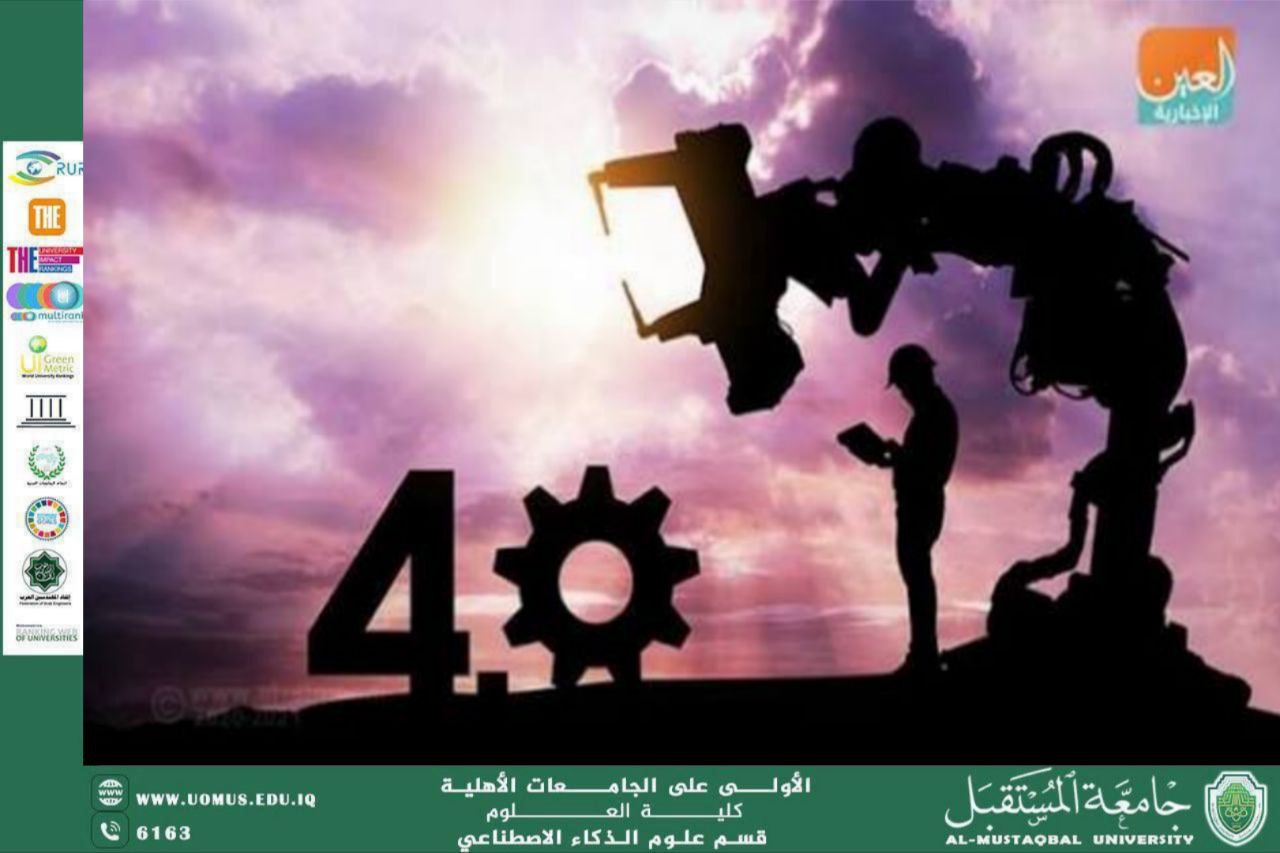
The Fourth Industrial Revolution refers to a new era of technological transformation characterized by the integration of digital, biological, and physical technologies such as artificial intelligence, the Internet of Things, robotics, and big data analytics. These innovations are reshaping the structure of the global labor market and redefining the skills required for future employment. According to the World Economic Forum, automation and emerging technologies are expected to replace some traditional jobs while simultaneously creating new occupations that require advanced technological and analytical competencies. Reports from the International Labour Organization indicate that digital transformation can generate significant employment opportunities in technology-driven sectors, although it also presents challenges related to workforce reskilling and adaptation. Furthermore, the Organisation for Economic Co-operation and Development emphasizes that adapting to the Fourth Industrial Revolution requires continuous education and the development of skills such as critical thinking, creativity, problem-solving, and digital literacy. The shift toward a digital economy has also introduced new employment models, including remote work and platform-based freelancing, offering greater flexibility in the workplace. However, these transformations may widen the gap between highly skilled and low-skilled workers if appropriate educational and labor policies are not implemented. Consequently, the future of work in the era of the Fourth Industrial Revolution depends largely on the ability of governments, educational institutions, and industries to prepare individuals for rapidly evolving technological environments while ensuring inclusive and sustainable economic development.