Scientific Article: Internet of Things Technologies in Everyday Life (Asst. Lec. Aya Mohammed Hussein Mohammed Ali)
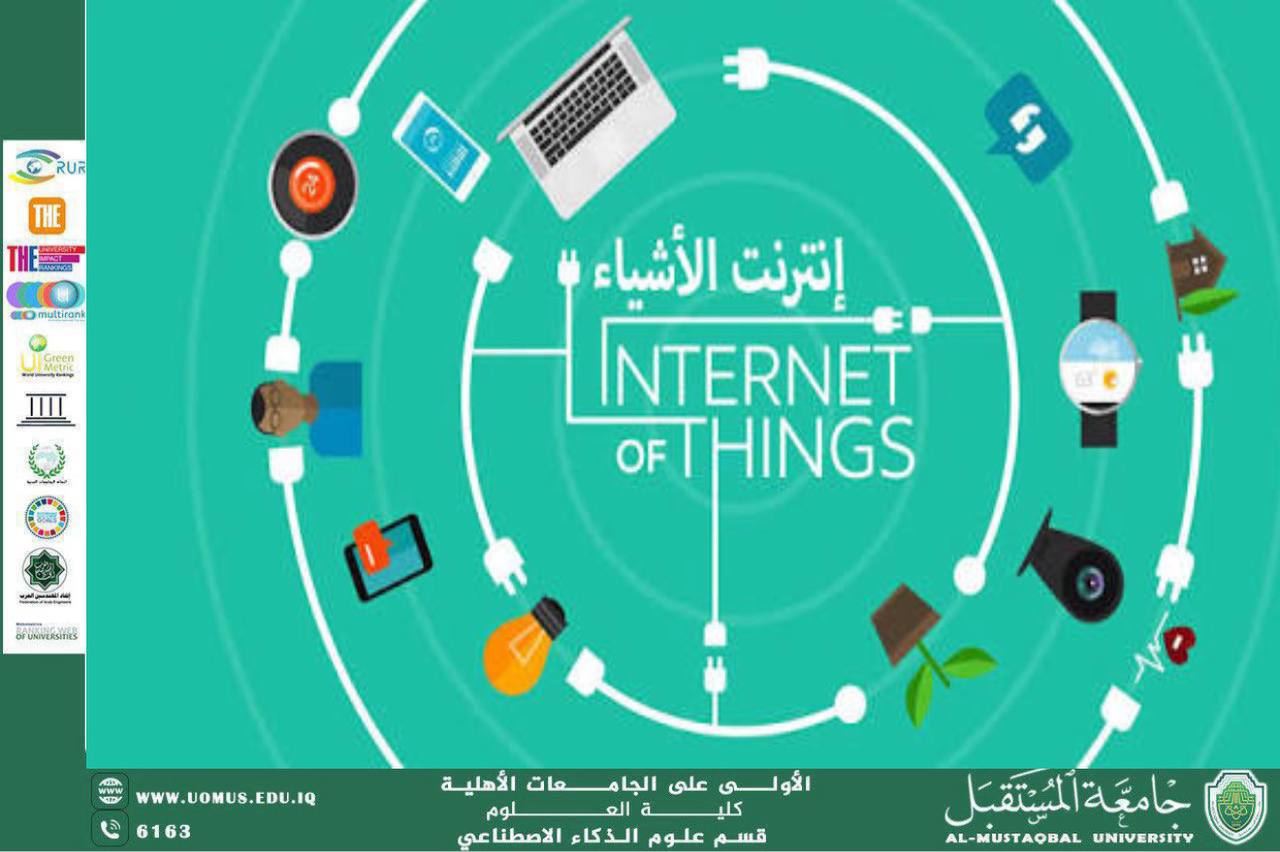
The Internet of Things (IoT) has emerged as one of the most transformative technological developments of the modern digital era, enabling a wide range of devices and systems to connect, communicate, and exchange data through the internet. IoT refers to a network of smart devices equipped with sensors, software, and connectivity capabilities that allow them to collect, transmit, and analyze data automatically without direct human intervention. This technological advancement has significantly changed the way individuals interact with technology in their daily lives by transforming traditional devices into intelligent systems capable of monitoring environments and responding to real-time conditions. One of the most common applications of IoT can be found in smart homes, where users can remotely control lighting systems, security devices, temperature settings, and household appliances using smartphones or voice-controlled assistants. In the healthcare sector, wearable IoT devices allow continuous monitoring of vital signs such as heart rate, physical activity levels, and blood pressure, enabling healthcare providers to track patients' conditions remotely and provide more efficient medical care. IoT technologies are also playing a critical role in the development of smart cities by improving traffic management, optimizing energy consumption, enhancing public safety systems, and supporting sustainable urban infrastructure. In industrial environments, IoT contributes to the concept of smart manufacturing through predictive maintenance, automated monitoring systems, and real-time data analysis that increase efficiency and reduce operational costs. Despite these advantages, IoT systems also raise concerns related to cybersecurity, privacy protection, and data management, as interconnected devices can become vulnerable to cyberattacks if adequate security measures are not implemented. Therefore, developing secure communication protocols, advanced encryption techniques, and robust cybersecurity frameworks is essential for ensuring the safe adoption of IoT technologies. Ultimately, the Internet of Things represents a fundamental component of the digital transformation that is reshaping modern societies and improving the quality of life through intelligent connectivity and automation.
Al-Mustaqbal University is the leading private university among Iraqi private universities